Ipomoea tacuaremboensis
NameIpomoea tacuaremboensis
Scientific NameIpomoea tacuaremboensis
Common NamesTacuarembo Morning Glory, Campanilla
Plant FamilyConvolvulaceae
Natural HabitatNative to grasslands, open fields, and disturbed areas in southern Brazil, northeastern Argentina, and Uruguay, particularly in the Tacuarembó department.
Parts Usedflower,root,seed
Medicinal Actionsantioxidant, anti-inflammatory
Traditional UsesSpecific traditional medicinal uses for Ipomoea tacuaremboensis are not widely documented. However, other species within the Ipomoea genus have been traditionally used for their purgative properties, as anti-inflammatory agents, or in some cases, for psychoactive effects derived from their seeds.
Active Constituentsresin glycosides, flavonoids, alkaloids
Preparation Methodsinfusion, decoction, powder
Contraindications & WarningsGiven the limited specific research on Ipomoea tacuaremboensis, caution is advised. Other Ipomoea species can have strong purgative effects or contain psychoactive compounds in their seeds, which can be toxic if ingested. Not recommended for pregnant or nursing women, or individuals with gastrointestinal issues without expert guidance.
Cultivation NotesPrefers full sun and well-drained soil. As a climbing vine, it benefits from support structures. It is generally drought-tolerant once established and can be propagated from seeds or cuttings.
Rarityuncommon
Description
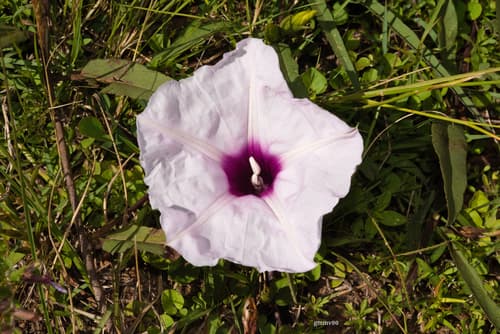
A perennial herbaceous vine characterized by large, funnel-shaped flowers, typically white to pale lilac with a striking deep purple throat. Its leaves are generally cordate or ovate, and it exhibits a climbing or sprawling growth habit.