Ipomoea spathulata
NameIpomoea spathulata
Scientific NameIpomoea spathulata
Common NamesSpathulate-leaved Morning Glory
Plant FamilyConvolvulaceae
Natural HabitatThrives in tropical and subtropical coastal regions, often found in sandy soils, dunes, rocky slopes, and disturbed areas, preferring full sun.
Parts Usedleaf,root
Medicinal Actionsanti-inflammatory, antimicrobial
Traditional UsesWhile specific traditional uses for Ipomoea spathulata are not widely documented, other species within the Ipomoea genus are traditionally used for their purgative properties, to treat skin ailments, and as general tonics.
Active Constituentsresin glycosides, flavonoids
Preparation Methodsinfusion, decoction, poultice
Contraindications & WarningsDue to the presence of resin glycosides in many Ipomoea species, internal use can cause gastrointestinal upset, cramping, and strong purgative effects. Pregnant women and individuals with gastrointestinal disorders should exercise caution or avoid internal use.
Cultivation NotesPrefers warm, tropical to subtropical climates with full sun exposure and well-drained, sandy or rocky soils. It can be propagated from seeds or stem cuttings.
Raritycommon
Description
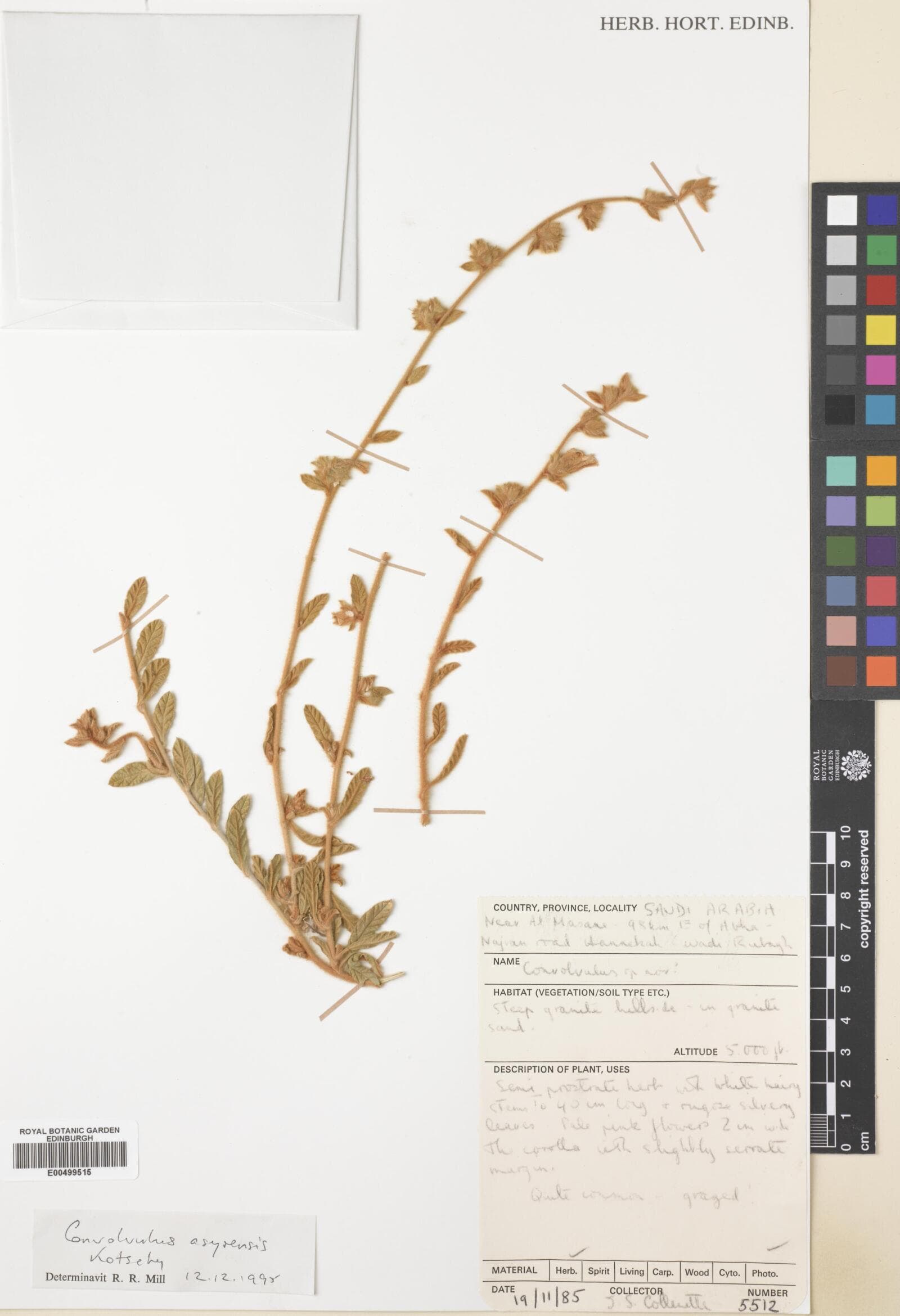
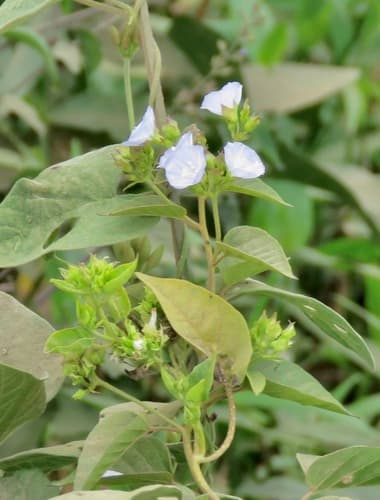
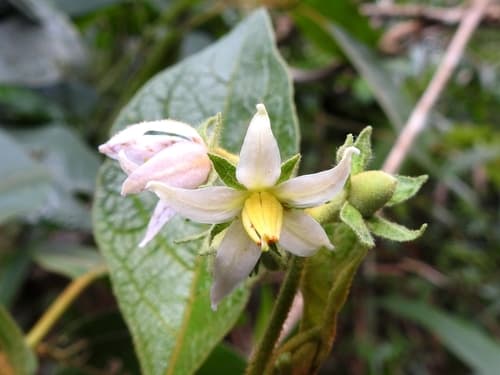
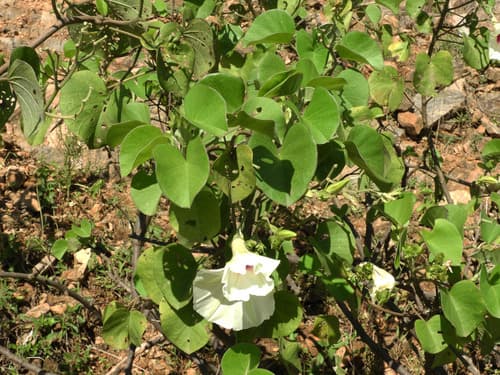
This is a perennial climbing or trailing vine characterized by its spatulate to broadly ovate leaves, often with a cordate base. It produces large, showy, trumpet-shaped flowers, typically white with a purplish throat, as seen in the image.