Ipomoea rosea
NameIpomoea rosea
Scientific NameIpomoea rosea
Common NamesBush Morning Glory, Pink Morning Glory, Brazilian Morning Glory, Railway Creeper
Plant FamilyConvolvulaceae
Natural HabitatNative to tropical and subtropical regions of the Americas, this plant thrives in disturbed areas such as roadsides, riverbanks, and open fields. It prefers moist, well-drained soils and full sun exposure.
Parts Usedleaf,root
Medicinal Actionsanti-inflammatory, antimicrobial, antioxidant
Traditional UsesTraditionally, the leaves of Ipomoea rosea (I. carnea subsp. fistulosa) have been used in some folk medicine systems for treating skin conditions, wounds, and various inflammatory ailments. The roots have also been employed, primarily for their purgative properties.
Active ConstituentsFlavonoids, Phenolic compounds, Triterpenes, Alkaloids
Preparation Methodsinfusion, decoction, poultice
Contraindications & WarningsCaution is advised with internal use due to the presence of alkaloids, which can be toxic, particularly to livestock. Human consumption is not well-documented for safety, and it is generally not recommended without expert guidance.
Cultivation NotesThis plant is easy to cultivate in tropical and subtropical climates, preferring full sun and moist, well-drained soil. It can be propagated from seeds or cuttings and is drought-tolerant once established, though it can become invasive in some regions.
Raritycommon
Description
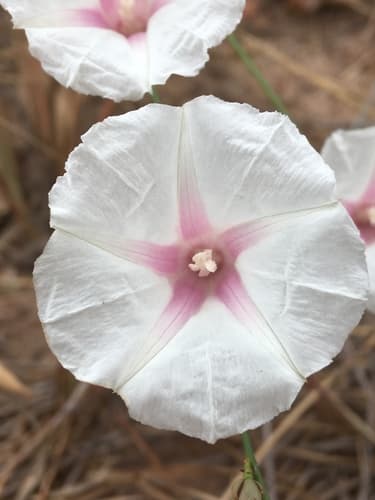
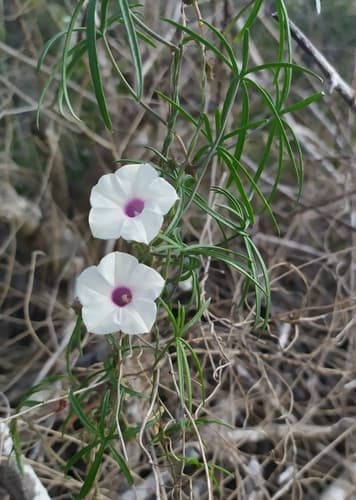
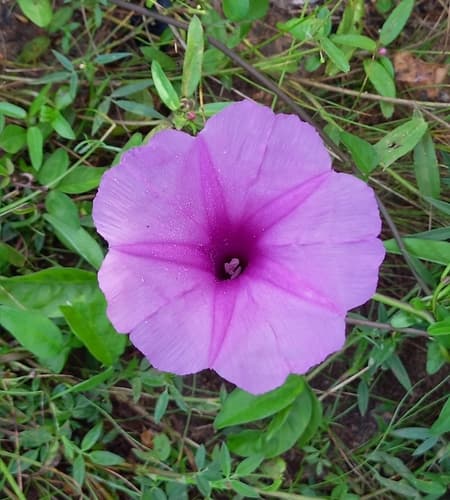
Ipomoea rosea, often considered a synonym for Ipomoea carnea subsp. fistulosa, is a perennial shrub or vine characterized by its large, funnel-shaped, rose-pink to purplish flowers. Its leaves are typically heart-shaped or ovate, and it grows as a sprawling bush or climbs on nearby supports.