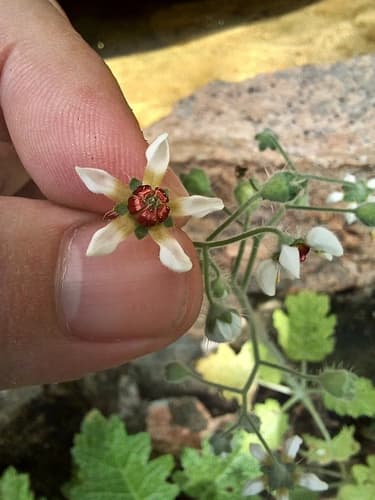
Aosa rupestris
NameAosa rupestris
Scientific NameAosa rupestris
Common NamesRock Nettle, Ortiga brava, Ortiga de la sierra
Plant FamilyLoasaceae
Natural HabitatNative to mountainous regions of South America, particularly the Andes, where it thrives in rocky areas, slopes, and disturbed ground, often at higher altitudes.
Parts Usedwhole_plant,leaf
Medicinal Actionsanalgesic, anti-inflammatory
Traditional UsesTraditionally, some species of *Aosa* (formerly *Loasa*) are used externally as a counter-irritant for rheumatic pain, arthritis, and muscle aches. The stinging hairs, despite causing irritation, are sometimes applied topically to alleviate deeper pain or inflammation, similar to the practice of urtication with true nettles.
Active Constituentsirritant compounds in stinging hairs
Preparation Methodspoultice, salve
Contraindications & WarningsDirect contact with the stinging hairs can cause significant skin irritation, redness, and pain. Not recommended for internal use without expert guidance due to its irritant properties. Individuals with sensitive skin or allergies should avoid contact.
Cultivation NotesPrefers well-drained, rocky or sandy soil and can tolerate full sun to partial shade. It is adapted to montane environments and may be challenging to cultivate outside its native habitat due to specific climatic and soil requirements. Handle with care due to stinging hairs.
Rarityuncommon
Description
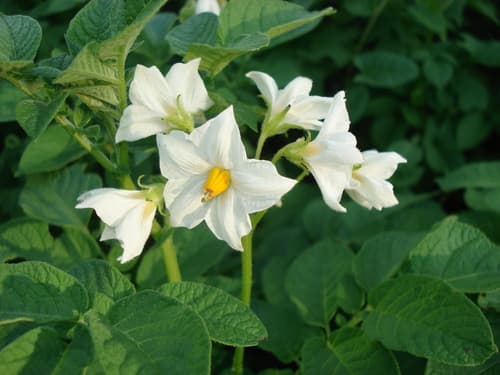
A small herbaceous plant characterized by its deeply lobed, often hairy leaves and distinctive white to cream-colored flowers. The flowers typically have five petals and a prominent central structure, often reddish-brown, composed of stamens and staminodes. The plant is notable for its stinging hairs.