Ipomoea paludosa
NameIpomoea paludosa
Scientific NameIpomoea paludosa
Common NamesMarsh Morning Glory, Swamp Morning Glory
Plant FamilyConvolvulaceae
Natural HabitatThrives in freshwater marshes, swamps, ditches, and pond margins, native to tropical and subtropical regions of the Americas. It prefers wet, often disturbed, environments.
Parts Usedleaf,whole_plant
Medicinal Actionsdiuretic, anti-inflammatory, antioxidant
Traditional UsesWhile specific traditional uses for Ipomoea paludosa are not widely documented, other species within the Ipomoea genus are traditionally used as purgatives, diuretics, and for various skin conditions. It is plausible that this species, if used, would share some of these general properties, particularly as a diuretic given its wetland habitat.
Active Constituentsresin_glycosides, flavonoids, phenolic_compounds
Preparation Methodsinfusion, decoction, powder
Contraindications & WarningsDue to the presence of resin glycosides common in the Ipomoea genus, ingestion may cause strong purgative effects, gastrointestinal upset, and potential toxicity in large doses. Not recommended for pregnant or nursing individuals, or those with severe digestive disorders.
Cultivation NotesPrefers full sun to partial shade and consistently moist to wet soil conditions. It can be grown from seed or cuttings and is often found in bog gardens or pond margins in suitable climates.
Raritycommon
Description
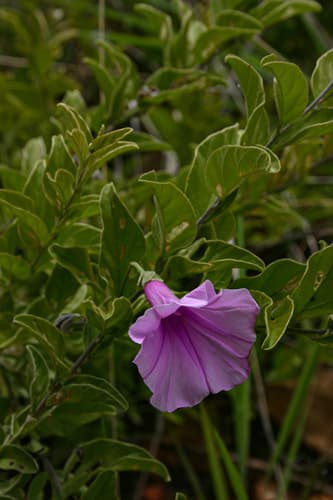
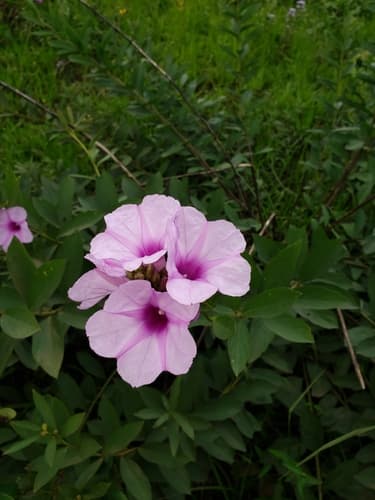
Ipomoea paludosa is a perennial herbaceous vine, often sprawling or climbing, characterized by its alternate, simple leaves and trumpet-shaped flowers. The flowers are typically pale pink to lavender with a darker throat, appearing in cymes.