Climbing Nightshade
NameClimbing Nightshade
Scientific NameSolanum dulcamara
Common NamesClimbing Nightshade, Bittersweet Nightshade, Woody Nightshade, European Bittersweet
Plant FamilySolanaceae
Natural HabitatFound in damp, disturbed areas, woodlands, hedgerows, riverbanks, and waste ground. It prefers moist, nitrogen-rich soils and partial shade to full sun, often growing along fences and stream banks.
Parts Usedleaf,whole_plant
Medicinal Actionsdiuretic, anti-inflammatory, sedative
Traditional UsesHistorically, Climbing Nightshade has been used with extreme caution for various ailments. Externally, it was applied as a poultice or wash for skin conditions such as eczema, psoriasis, warts, and ulcers. Internally, highly diluted preparations were traditionally used as a diuretic and for chronic skin diseases or rheumatism, though its toxicity severely limits its safe internal application.
Active Constituentssteroidal glycoalkaloids, solanine, dulcamarine, saponins, tannins
Preparation Methodsdecoction, poultice, tincture, salve
Contraindications & WarningsAll parts of Climbing Nightshade are toxic, especially the berries, and ingestion can be fatal. Symptoms of poisoning include nausea, vomiting, diarrhea, dizziness, and convulsions. It should not be used internally without strict medical supervision. Contraindicated in pregnancy, lactation, and for children. May interact with anticholinergic medications.
Cultivation NotesClimbing Nightshade is a vigorous grower that can be cultivated from seed or cuttings. It thrives in moist, well-drained soils and can tolerate a range of light conditions from full sun to partial shade. Due to its invasive potential in some regions, care should be taken when planting.
Raritycommon
Description
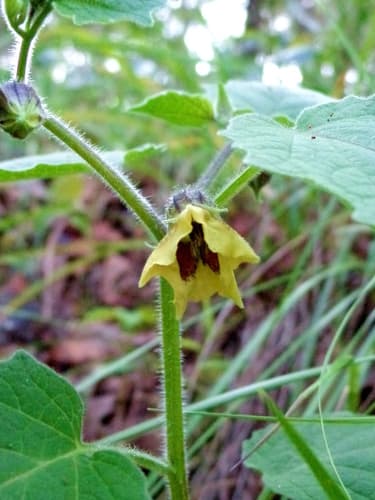
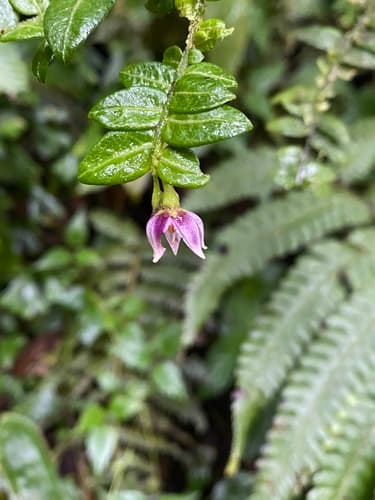
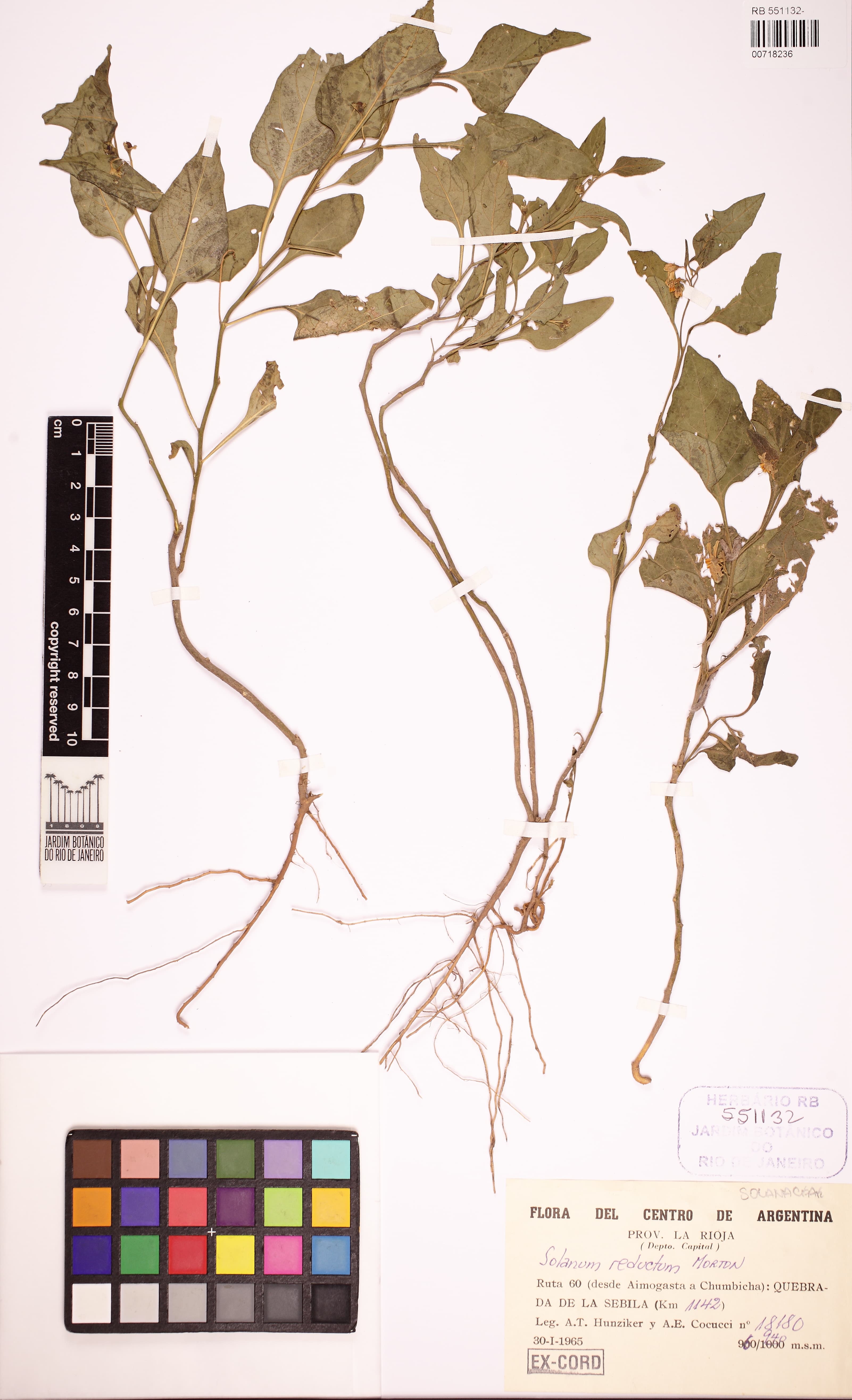
Climbing Nightshade (*Solanum dulcamara*) is a perennial, semi-woody vine or scrambling shrub, typically growing up to 4 meters long. It features alternate, ovate to heart-shaped leaves, often with two small lobes at the base, and produces clusters of small, star-shaped purple flowers with prominent yellow anthers, followed by bright red berries. All parts of the plant, especially the berries, are toxic if ingested.