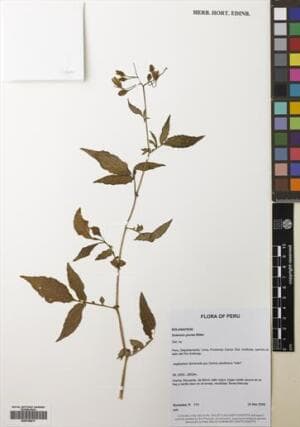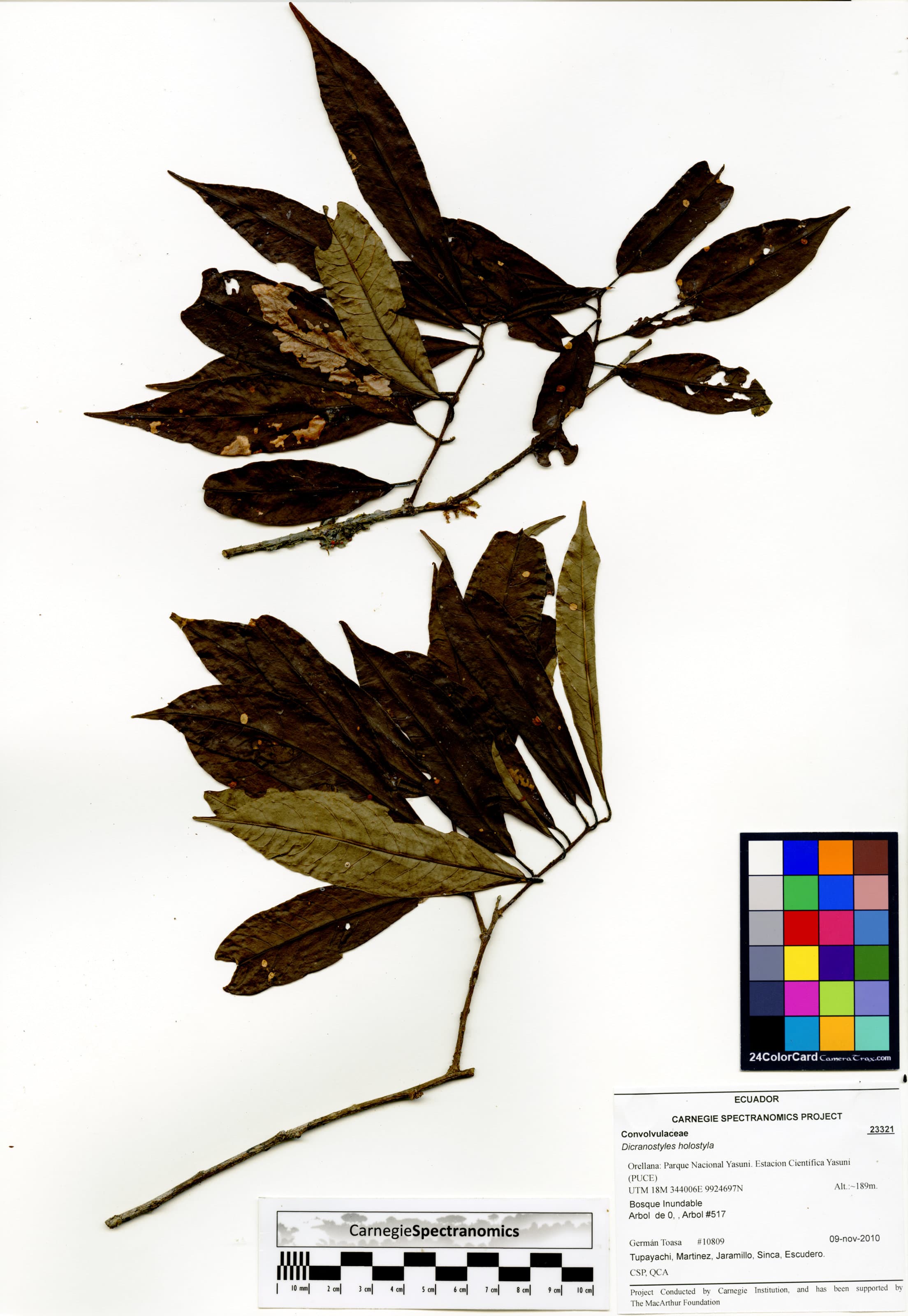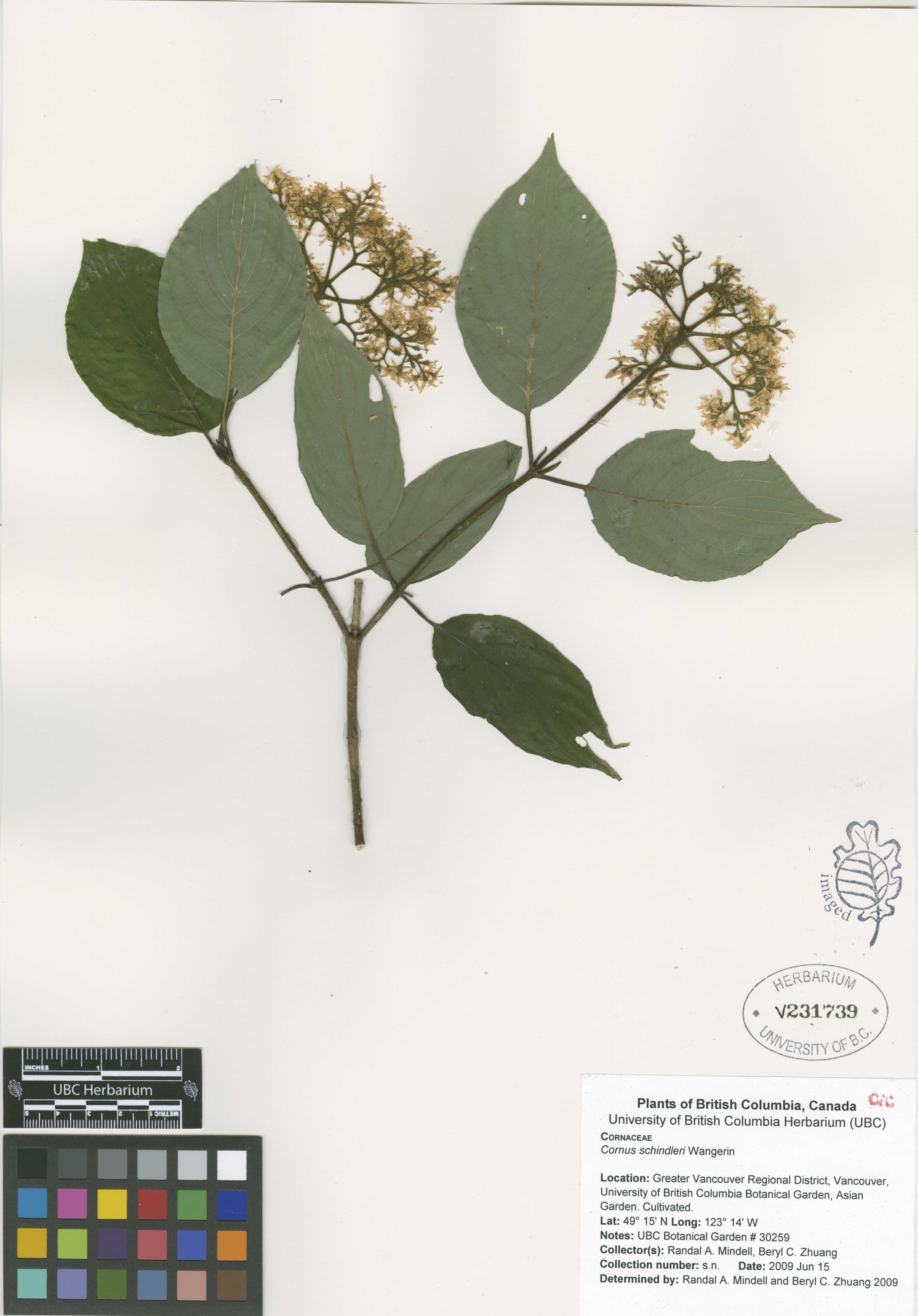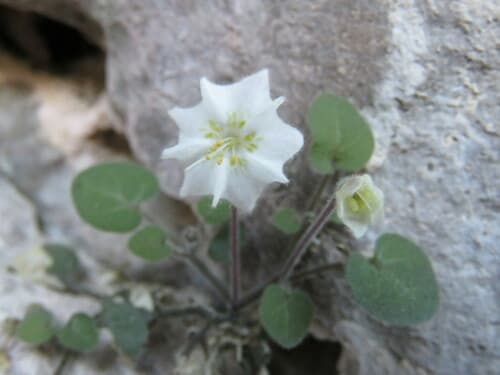
Solanum ochrophyllum
NameSolanum ochrophyllum
Scientific NameSolanum ochrophyllum
Common NamesQuiebra muelas, Tabaquillo, Berengena de monte
Plant FamilySolanaceae
Natural HabitatNative to tropical and subtropical forests, forest margins, and disturbed areas in Central and South America, often found at elevations up to 2000 meters.
Parts Usedleaf,fruit
Medicinal Actionsanti-inflammatory, antimicrobial, analgesic
Traditional UsesTraditionally used in Central American folk medicine for treating toothaches, skin infections, and various inflammatory conditions. Leaves are often applied topically as a poultice.
Active Constituentssteroidal glycoalkaloids, flavonoids, phenolic compounds
Preparation Methodsinfusion, poultice
Contraindications & WarningsContains steroidal glycoalkaloids which can be toxic if ingested in large quantities, potentially causing gastrointestinal upset and neurological effects. Avoid internal use during pregnancy, breastfeeding, or in young children. Use topically with caution and test for skin sensitivity.
Cultivation NotesPrefers tropical to subtropical climates, well-drained soil, and full sun to partial shade. Can be propagated from seeds.
Raritycommon
Description
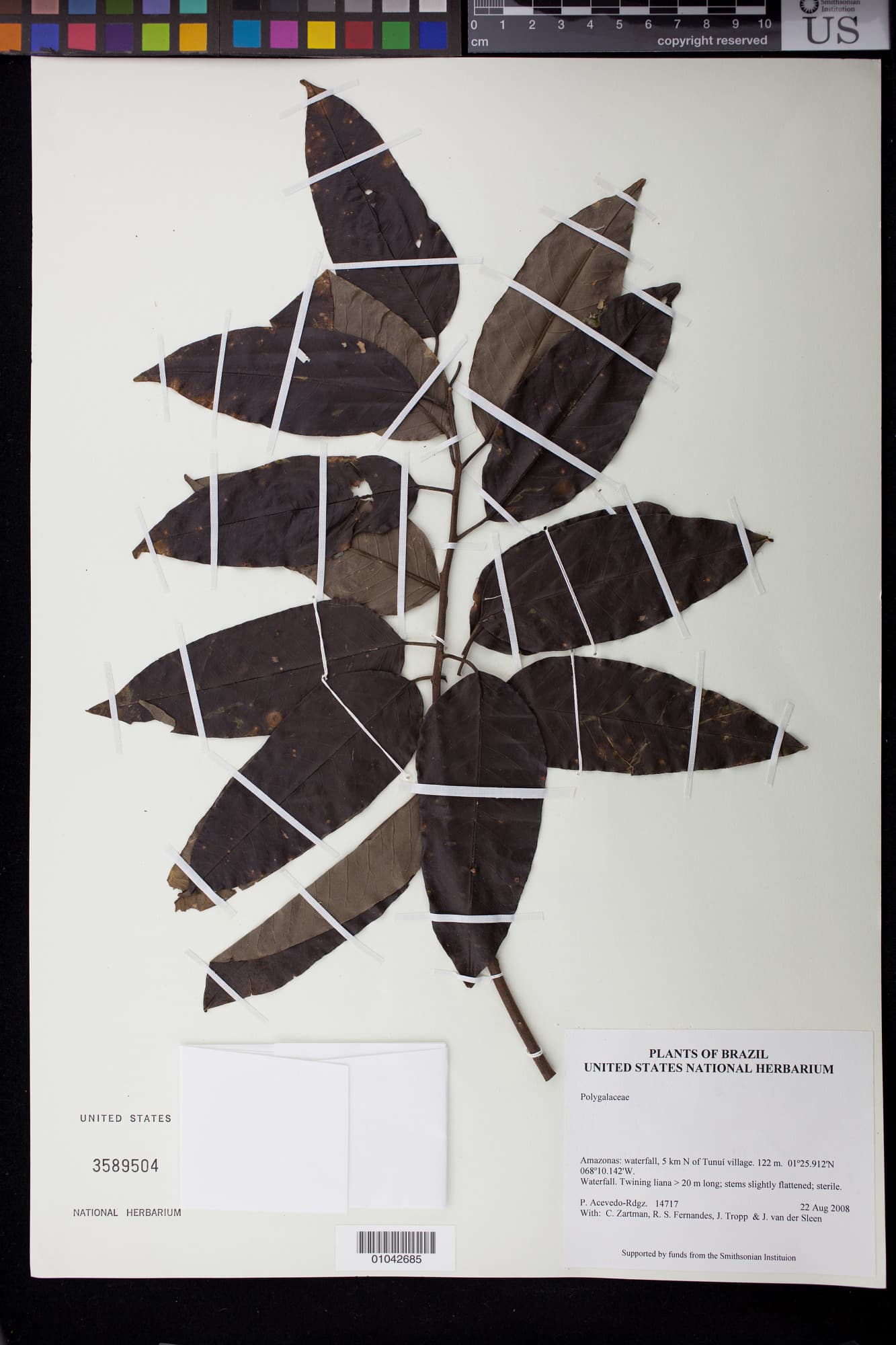
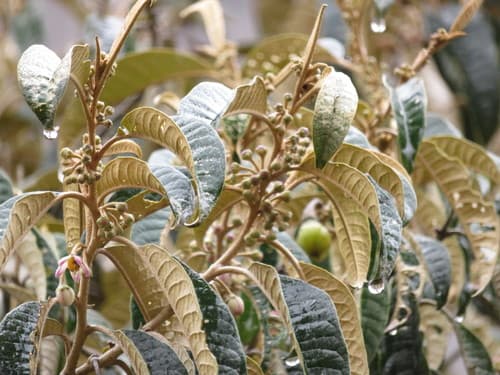
A shrub or small tree, typically 1-5 meters tall, characterized by large, ovate to elliptic leaves often densely hairy and yellowish on the underside. It produces small, pale flowers and globose berries that ripen to yellow or orange.