Spikenard
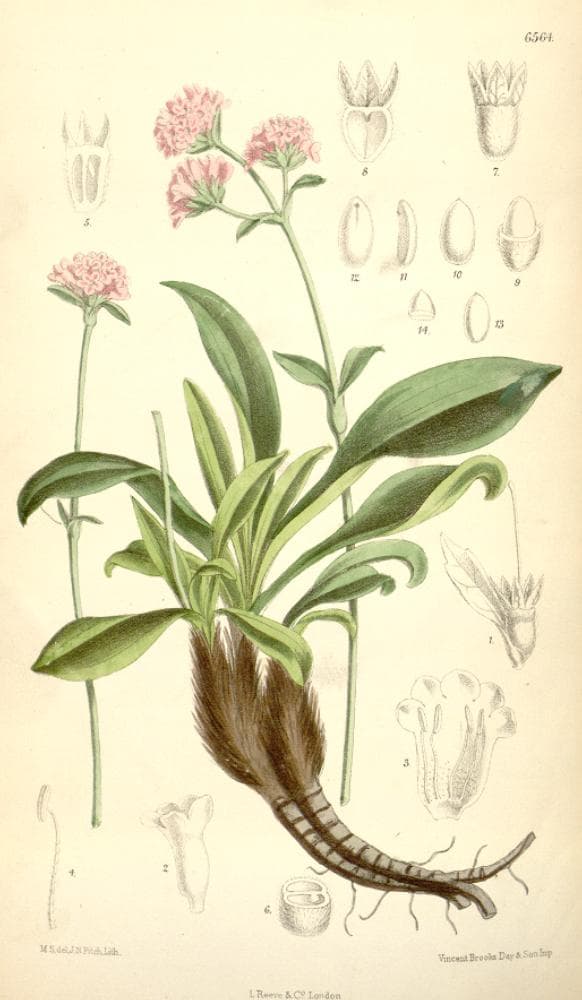
Image: Joseph Dalton Hooker (1817-1911) (Public domain)
NameSpikenard
Scientific NameNardostachys grandiflora
Common NamesSpikenard, Jatamansi, Muskroot, Indian Nard
Plant FamilyValerianaceae
Natural HabitatNative to the alpine and subalpine regions of the Himalayas, growing at high altitudes (3,000-5,000 meters) in rocky slopes and grasslands.
Parts Usedroot
Medicinal Actionsnervine, sedative, anti-inflammatory, antimicrobial, antioxidant, adaptogen
Traditional UsesTraditionally used in Ayurvedic and Unani medicine for its calming and grounding properties. It is employed to treat insomnia, anxiety, stress, epilepsy, and other neurological disorders, as well as for digestive issues, skin ailments, and as a hair tonic.
Active ConstituentsJatamansone, nardostachone, valeranone, spikenard oil (sesquiterpenes)
Preparation Methodsessential oil, powder, infusion, decoction, tincture
Contraindications & WarningsGenerally considered safe in moderate doses. Avoid during pregnancy and lactation. May interact with sedative medications.
Cultivation NotesDifficult to cultivate outside its natural high-altitude Himalayan habitat. Requires specific cold, rocky, and well-drained conditions. Propagation is typically by seeds or root division.
Rarityrare
Description
A perennial herbaceous plant characterized by a thick, hairy, aromatic rhizome. It produces basal leaves and erect stems bearing small, pinkish, clustered flowers.