Indian Elm
NameIndian Elm
Scientific NameHoloptelea integrifolia
Common NamesIndian Elm, Chirbil, Kanju, Papri, Jangli Badam
Plant FamilyUlmaceae
Natural HabitatCommonly found in deciduous forests, plains, and foothills across India, often thriving in dry regions and along riverbanks.
Parts Usedbark,leaf,seed
Medicinal Actionsanti-inflammatory, antimicrobial, antioxidant, astringent, demulcent, expectorant
Traditional UsesTraditionally, the bark is used in Ayurvedic medicine for treating skin diseases such as leprosy, scabies, and eczema, as well as for rheumatism, gout, and intestinal worms. Leaves are applied externally for wounds and swellings, while the seeds are known for their purgative properties.
Active ConstituentsFlavonoids, Triterpenes, Saponins, Tannins, Steroids, Phenolic compounds
Preparation Methodsdecoction, powder, poultice
Contraindications & WarningsPregnant and lactating women should avoid its use. High doses, especially of the seeds, may cause strong purgative effects. Always consult a healthcare professional before using this plant medicinally.
Cultivation NotesThis tree prefers well-drained loamy soil and thrives in full sun. It is drought-tolerant and can be propagated from seeds or cuttings, making it relatively easy to cultivate in suitable climates.
Raritycommon
Description
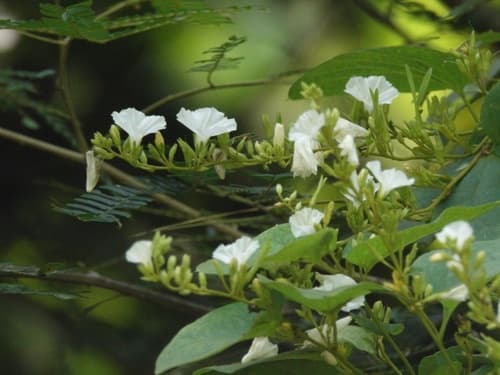
A large deciduous tree native to the Indian subcontinent, characterized by its distinctive clusters of flat, winged fruits (samaras). Its leaves are simple, alternate, and ovate to elliptic, providing shade in its natural habitat.