Hyoscyamus labiatus
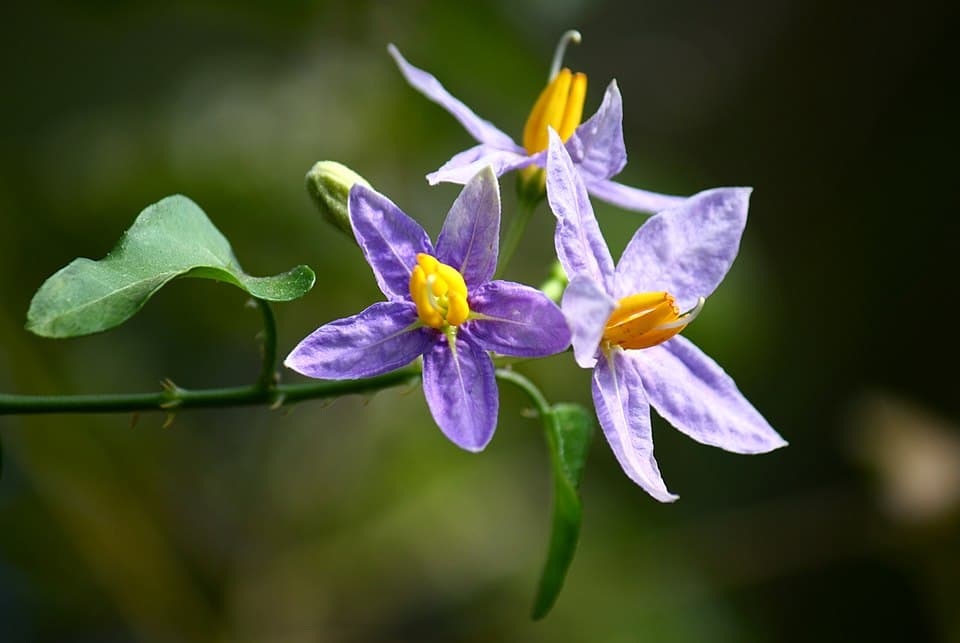
Image: jacobomaldo (cc-by-nc)
NameHyoscyamus labiatus
Scientific NameHyoscyamus albus
Common NamesWhite Henbane, Egyptian Henbane
Plant FamilySolanaceae
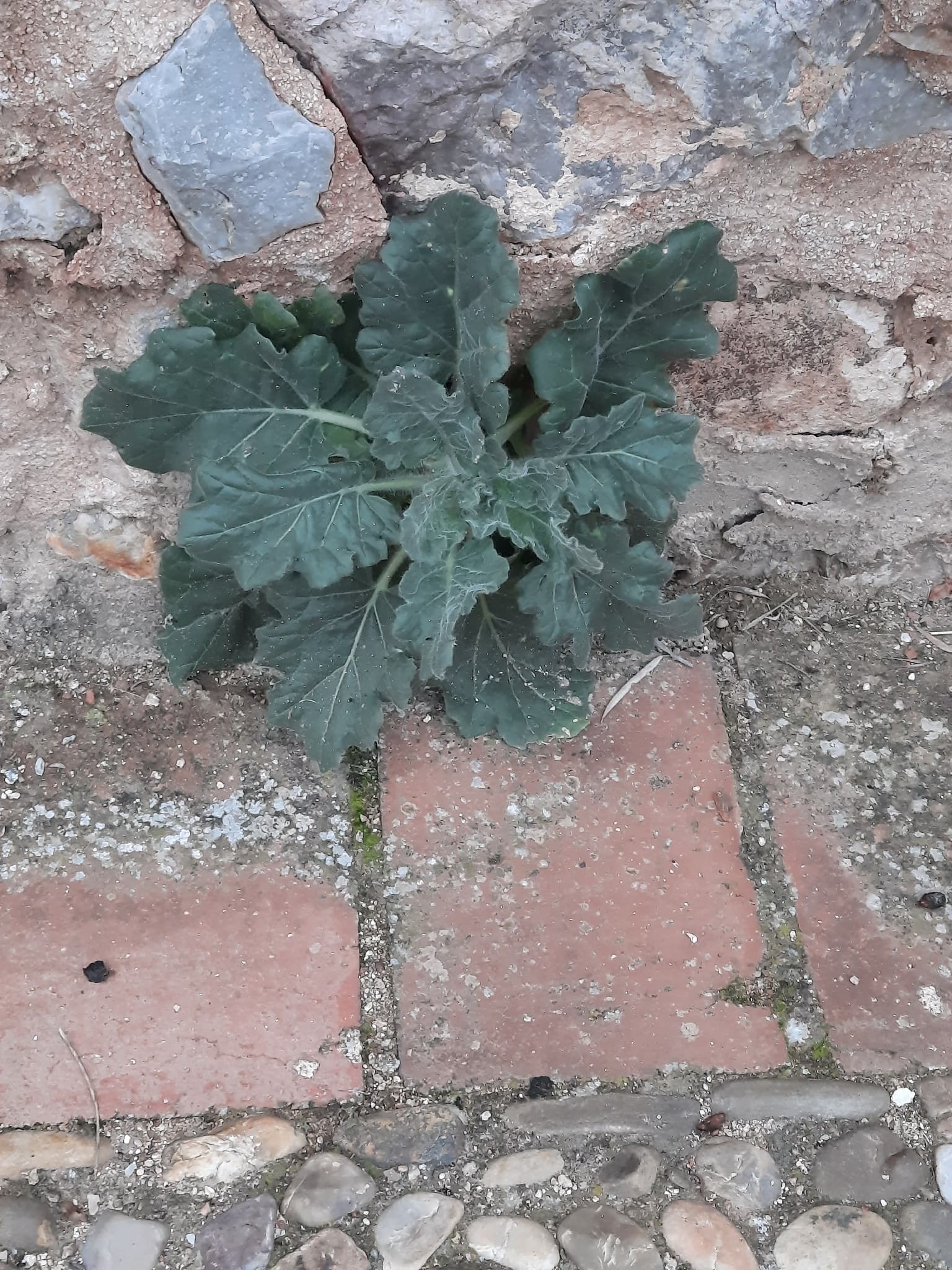
Natural HabitatThis plant is native to the Mediterranean region and thrives in disturbed, dry, and sunny environments such as rocky ground, walls, roadsides, and waste areas. It is often found growing in cracks of pavement or stone structures.
Parts Usedleaf,seed,whole_plant
Medicinal Actionsanalgesic, nervine, sedative
Traditional UsesHistorically, White Henbane was employed as a potent sedative and analgesic, particularly for alleviating severe pain like toothaches, neuralgia, and rheumatic conditions. It was also used to induce sleep and calm extreme nervous agitation, though its high toxicity limited its internal application.
Active Constituentshyoscyamine, scopolamine, tropane alkaloids
Preparation Methodsinfusion, decoction, tincture, poultice, powder
Contraindications & WarningsHyoscyamus albus is highly toxic and should never be used for self-medication. It is contraindicated in glaucoma, prostate enlargement, heart conditions, pregnancy, and breastfeeding. It can cause severe side effects including hallucinations, delirium, dry mouth, blurred vision, and respiratory depression.
Cultivation NotesWhite Henbane grows readily from seed in well-drained soil and full sun, tolerating poor soil and dry conditions. It can become weedy in suitable environments and is generally easy to cultivate.
Raritycommon
Description
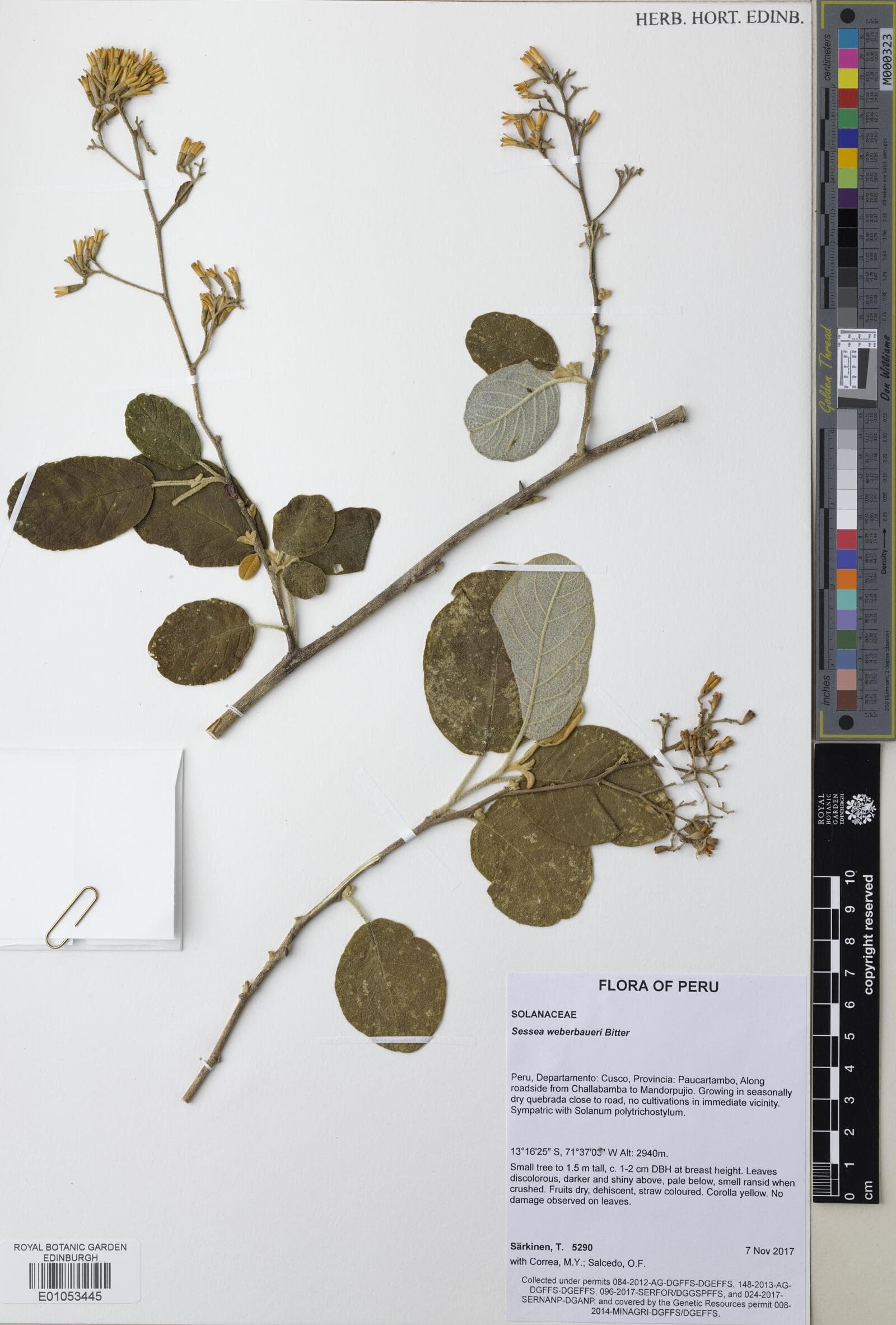
Hyoscyamus albus is an annual or biennial herbaceous plant characterized by its large, soft, hairy, grey-green leaves, often forming a basal rosette. It produces pale yellow to whitish flowers, sometimes with a purple throat, followed by capsule fruits containing numerous seeds.