Hyoscyamus labiatus
Image: Patrice D'Onofrio (cc-by-nc)
NameHyoscyamus labiatus
Scientific NameHyoscyamus albus
Common NamesWhite Henbane, Egyptian Henbane, White Stinking Nightshade
Plant FamilySolanaceae
Natural HabitatNative to the Mediterranean region, North Africa, and parts of Asia. It commonly grows in disturbed ground, waste areas, roadsides, ruins, and rocky places, often near human habitation.
Parts Usedleaf,flower,seed,whole_plant
Medicinal Actionsanalgesic, nervine, sedative
Traditional UsesHistorically used as a powerful sedative, anodyne (pain reliever), and antispasmodic. It was applied externally for pain relief (e.g., toothache, rheumatism) and internally, with extreme caution, for insomnia, nervous conditions, and spasms. Due to its extreme toxicity, its internal use is largely obsolete in modern herbalism.
Active Constituentshyoscyamine, scopolamine, atropine
Preparation Methodsinfusion, tincture, poultice, powder
Contraindications & WarningsEXTREMELY TOXIC. All parts of the plant are poisonous. Contraindicated in pregnancy, breastfeeding, glaucoma, prostate enlargement, heart conditions, and by anyone without expert medical supervision. Can cause delirium, hallucinations, coma, and death. Interacts with anticholinergic drugs, sedatives, and alcohol.
Cultivation NotesPrefers full sun to partial shade and well-drained soil. It is relatively drought-tolerant once established. Propagated by seed. Handle with gloves due to potential skin irritation and toxicity.
Raritycommon
Description
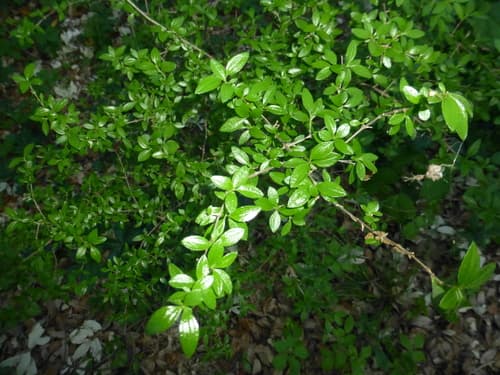
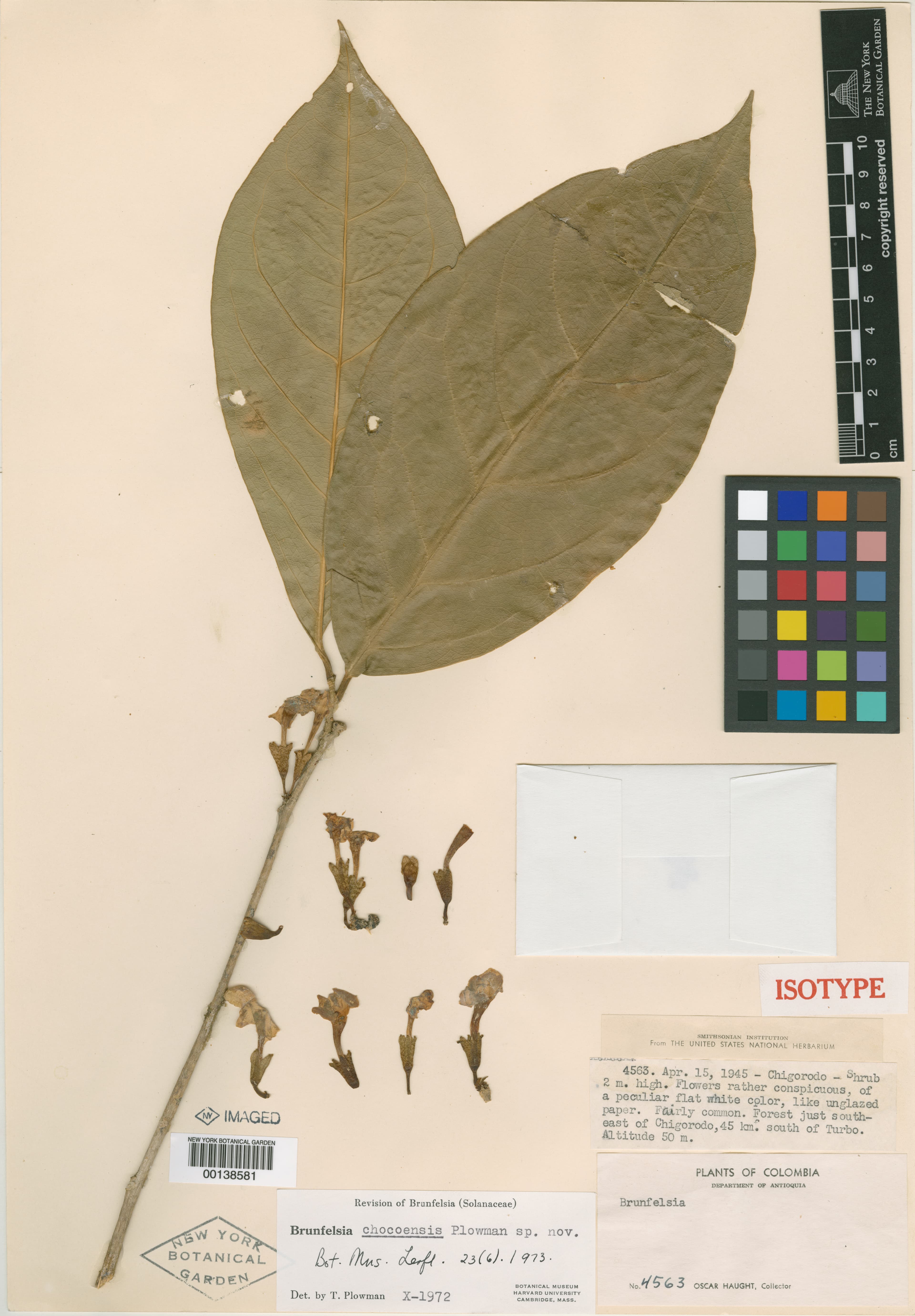
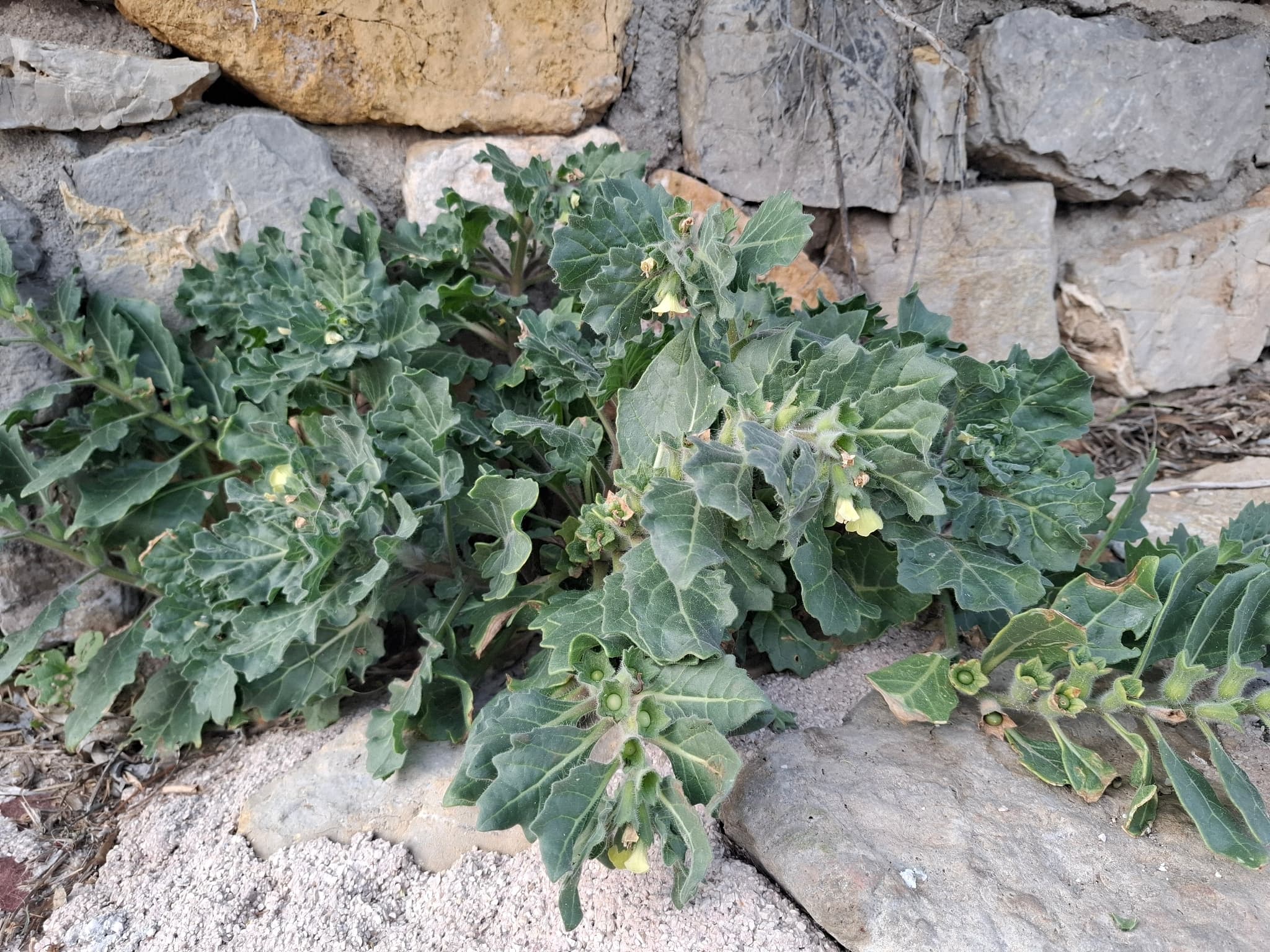
A herbaceous annual or biennial plant, typically growing low and spreading with soft, hairy, somewhat sticky leaves that have wavy or toothed margins. It produces pale yellow or cream-colored, bell-shaped flowers, often inconspicuous, followed by distinctive urn-shaped calyxes that enclose the developing capsule fruits.