Hydrolea palustris
NameHydrolea palustris
Scientific NameHydrolea palustris
Common NamesMarsh Hydrolea, Swamp Hydrolea
Plant FamilyHydroleaceae
Natural HabitatThis plant thrives in wetlands, swamps, marshes, ditches, and along the margins of ponds and streams. It prefers moist to wet soil conditions and is found in tropical and subtropical regions.
Parts Usedwhole_plant,leaf
Medicinal Actionsanti-inflammatory, antimicrobial, diuretic
Traditional UsesTraditionally, Hydrolea palustris has been used in some folk medicine systems to treat various skin conditions such as boils, wounds, and rashes, suggesting anti-inflammatory and antimicrobial properties. It has also been employed for fevers and as a diuretic for urinary issues.
Active ConstituentsNot extensively studied, but likely contains flavonoids and phenolic compounds.
Preparation Methodsinfusion, decoction, poultice
Contraindications & WarningsLimited scientific research is available regarding the safety and efficacy of Hydrolea palustris. Pregnant or nursing individuals, and those with underlying health conditions, should consult a healthcare professional before use. No specific drug interactions are well-documented.
Cultivation NotesHydrolea palustris prefers full sun to partial shade and consistently wet to moist soil. It can be cultivated in bog gardens or at the edges of water features. Propagation is typically by seed.
Raritycommon
Description
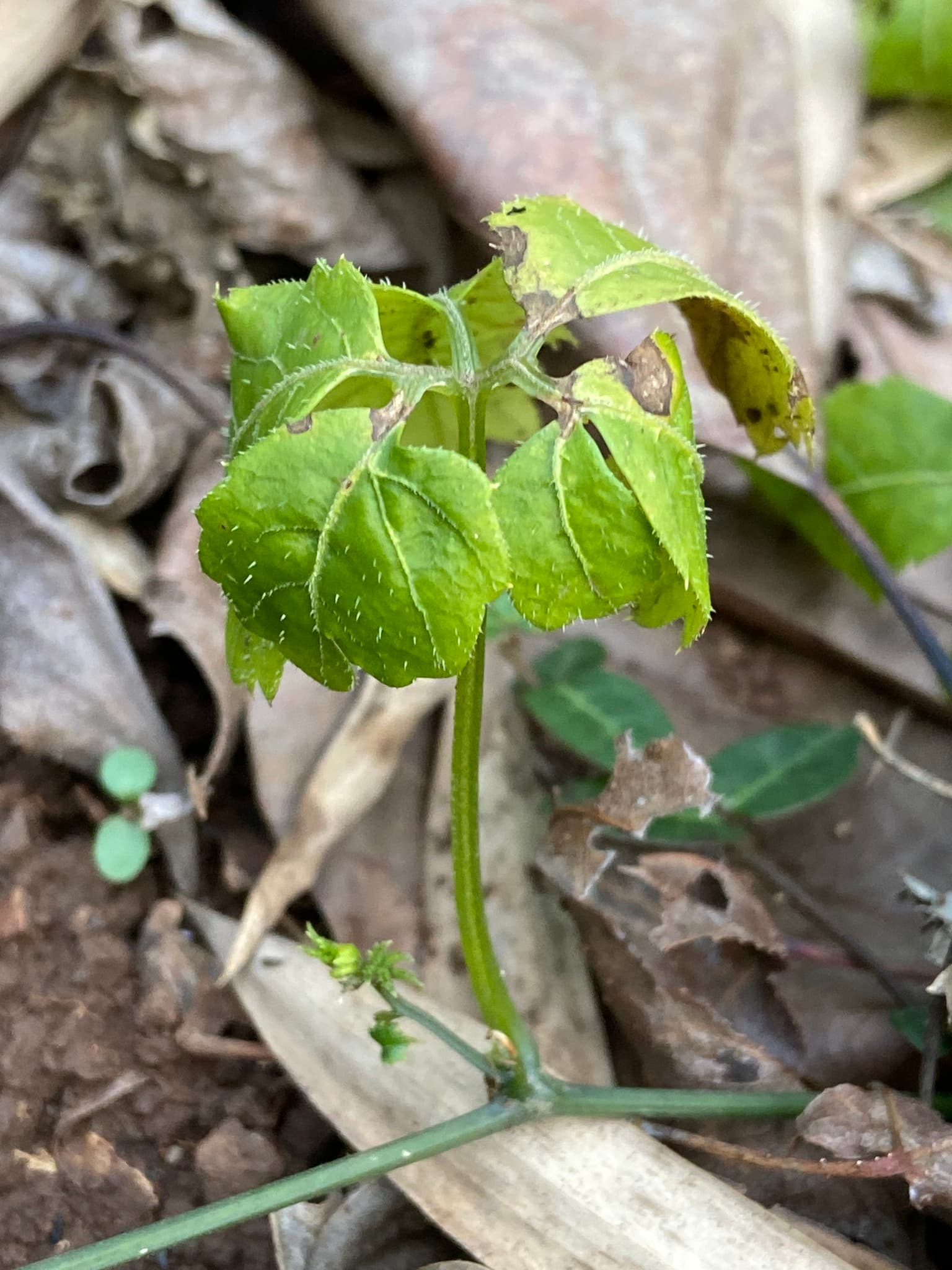
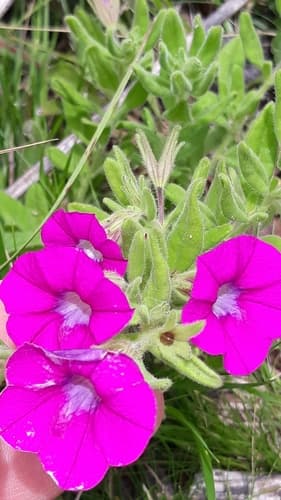
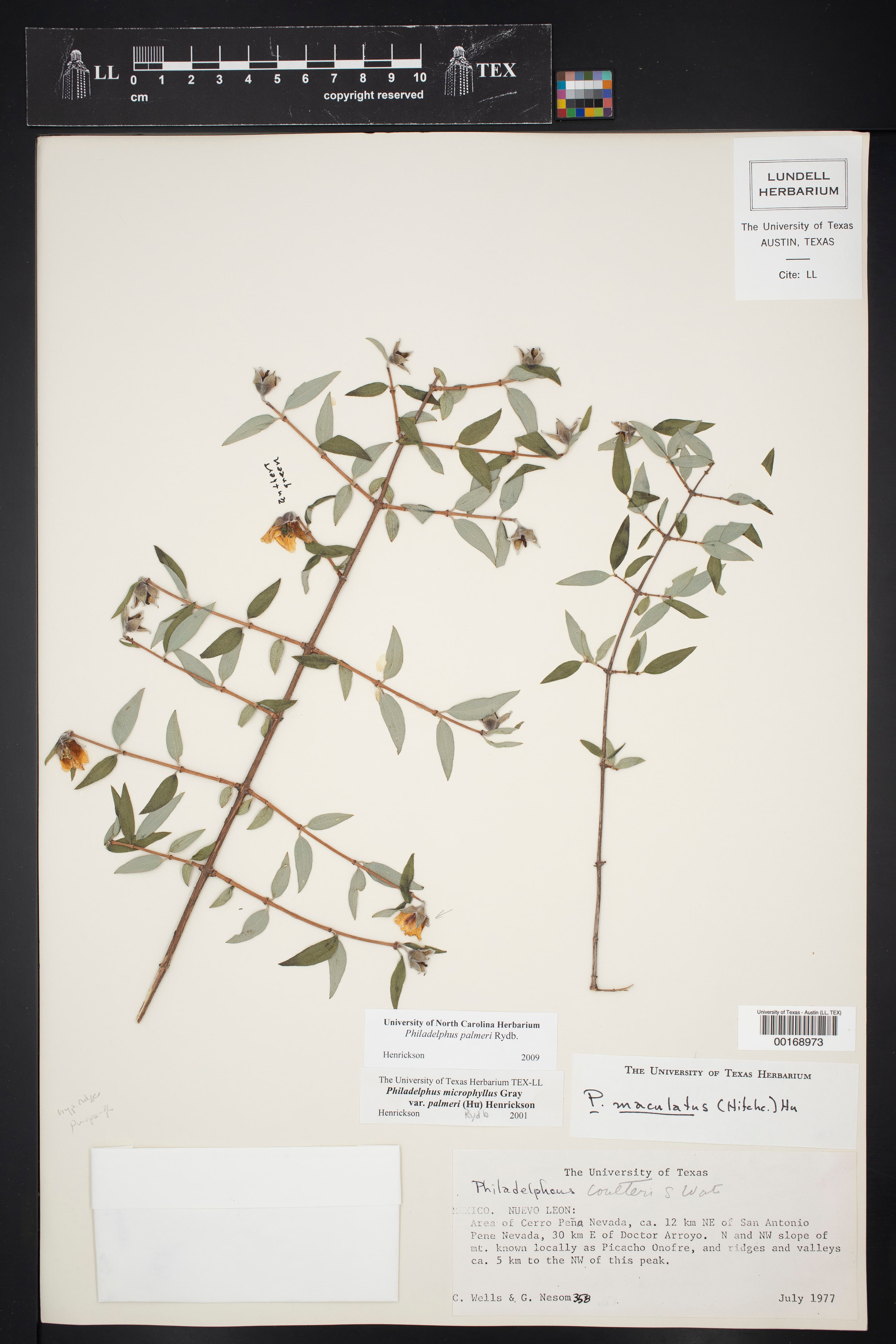
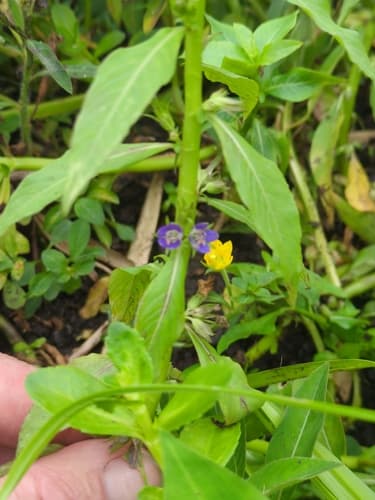
Hydrolea palustris is an annual or perennial herbaceous plant characterized by simple, alternate, lanceolate leaves and small, typically blue to purple flowers that emerge from the leaf axils. It often grows in wet, marshy environments and can have somewhat succulent stems.