Hydrangea yayeyamensis
NameHydrangea yayeyamensis
Scientific NameHydrangea yayeyamensis
Common NamesYaeyama Hydrangea
Plant FamilyHydrangeaceae
Natural HabitatNative to subtropical forests and mountainous regions of the Ryukyu Islands, Japan, typically found in moist, well-drained soils.
Parts Usedroot,leaf
Medicinal Actionsdiuretic, anti-inflammatory
Traditional UsesWhile specific traditional medicinal uses for Hydrangea yayeyamensis are not widely documented, other species within the Hydrangea genus, particularly Hydrangea arborescens, have been traditionally used for their diuretic properties to address urinary tract issues, kidney stones, and bladder infections. The roots are typically the primary part used for these purposes.
Active Constituentshydrangin, hydrangenol, scopoletin, saponins, flavonoids
Preparation Methodsdecoction, infusion, powder
Contraindications & WarningsAs with other Hydrangea species, consumption may cause gastrointestinal upset. It should be avoided by pregnant or nursing women and individuals with kidney disease. Potential interactions with diuretics and blood-thinning medications should be considered.
Cultivation NotesPrefers partial shade to full sun in cooler climates, and moist, well-drained, acidic to neutral soil. It is hardy in subtropical zones and benefits from consistent moisture.
Rarityuncommon
Description
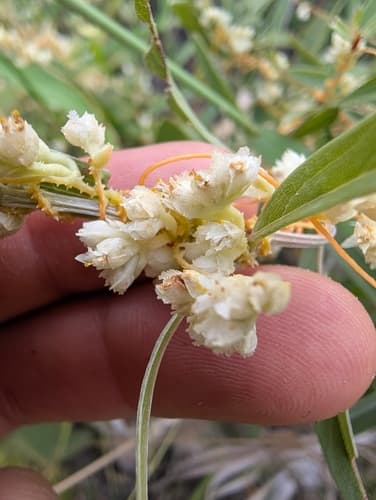
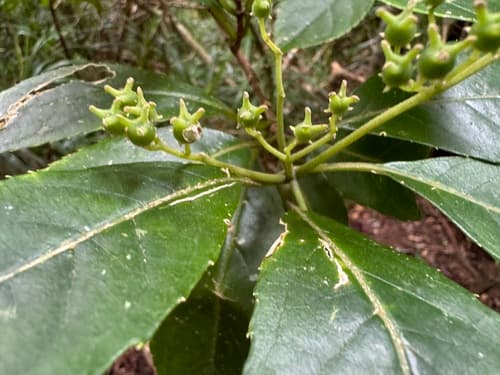
A deciduous shrub or small tree native to the Ryukyu Islands, characterized by its ovate to elliptical leaves with serrated margins. It produces clusters of small flowers that develop into distinctive star-shaped, immature fruit capsules, as seen in the image.