Hydrangea tarapotensis
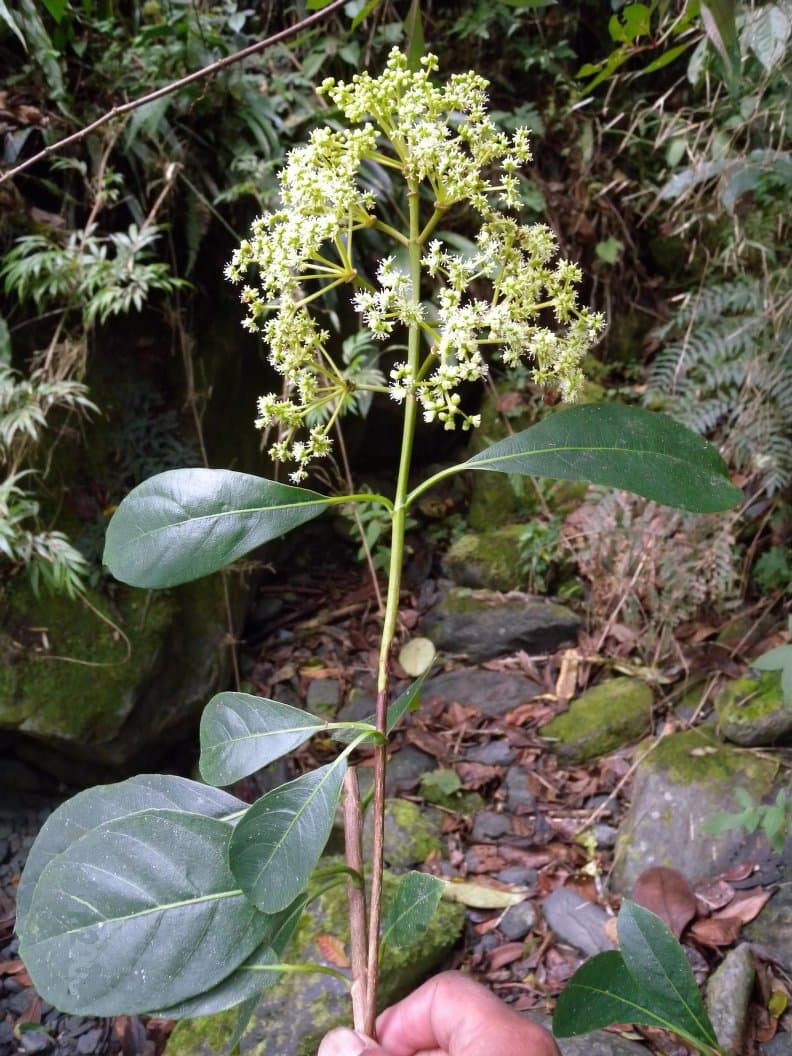
Image: Alfredo F. Fuentes (cc-by-nc)
NameHydrangea tarapotensis
Scientific NameHydrangea tarapotensis
Plant FamilyHydrangeaceae
Natural HabitatNative to montane cloud forests and humid slopes in the Andes of Peru, particularly around the Tarapoto region. It thrives at elevations typically between 1,000 and 2,500 meters, preferring moist, well-drained soils and partial shade.
Parts Usedleaf,flower
Medicinal Actionsdiuretic, anti-inflammatory
Traditional UsesSpecific traditional medicinal uses for Hydrangea tarapotensis are not widely documented in available ethnobotanical literature. However, other species within the Hydrangea genus, such as H. arborescens, have been traditionally used as diuretics for urinary tract issues, kidney stones, and bladder infections.
Active Constituentshydrangin, saponins, flavonoids, coumarins
Preparation Methodsinfusion, decoction
Contraindications & WarningsAll parts of Hydrangea species can be toxic if ingested in large quantities due to the presence of cyanogenic glycosides, potentially causing symptoms like nausea, vomiting, and diarrhea. It is generally advised to avoid use during pregnancy, lactation, or in individuals with kidney disease.
Cultivation NotesThis species prefers moist, well-drained, acidic to neutral soil and thrives in partial shade. It requires consistent moisture and protection from harsh, direct sunlight.
Rarityuncommon
Description
Hydrangea tarapotensis is a shrub or small tree native to the Andes. It features large, ovate to elliptic, dark green leaves with prominent venation and produces a large, terminal inflorescence of numerous small, creamy white to yellowish-green flowers.