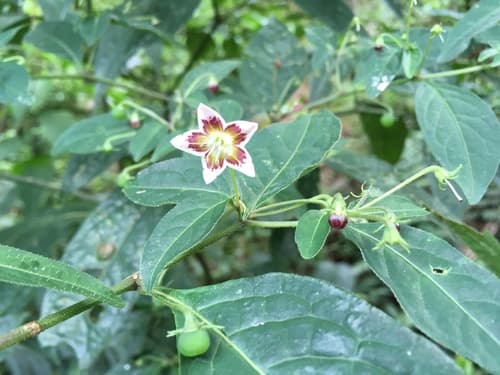
Hydrangea strigosa
NameHydrangea strigosa
Scientific NameHydrangea strigosa
Common NamesRough-leaved Hydrangea, Hairy Hydrangea
Plant FamilyHydrangeaceae
Natural HabitatNative to central and southern China, typically found in forests, thickets, and along streams in mountainous regions, preferring moist, shaded environments.
Parts Usedroot,leaf
Medicinal Actionsdiuretic, anti-inflammatory, astringent
Traditional UsesTraditionally, the root of Hydrangea species, including related ones, has been used in folk medicine for its diuretic properties. It is employed to help dissolve and expel kidney and bladder stones, alleviate symptoms of urinary tract infections, and address prostate issues.
Active ConstituentsHydrangin, saponins, flavonoids, calcium salts
Preparation Methodsdecoction, tincture, powder
Contraindications & WarningsNot recommended for pregnant or breastfeeding women. High doses may cause dizziness, nausea, and gastrointestinal upset. Use with caution in individuals with kidney disease or those taking diuretics, as it may interact with these medications.
Cultivation NotesPrefers moist, well-drained soil and partial shade, though it can tolerate full sun if the soil remains consistently moist. It is hardy in USDA zones 6-9 and benefits from consistent watering, especially during dry periods.
Rarityuncommon
Description
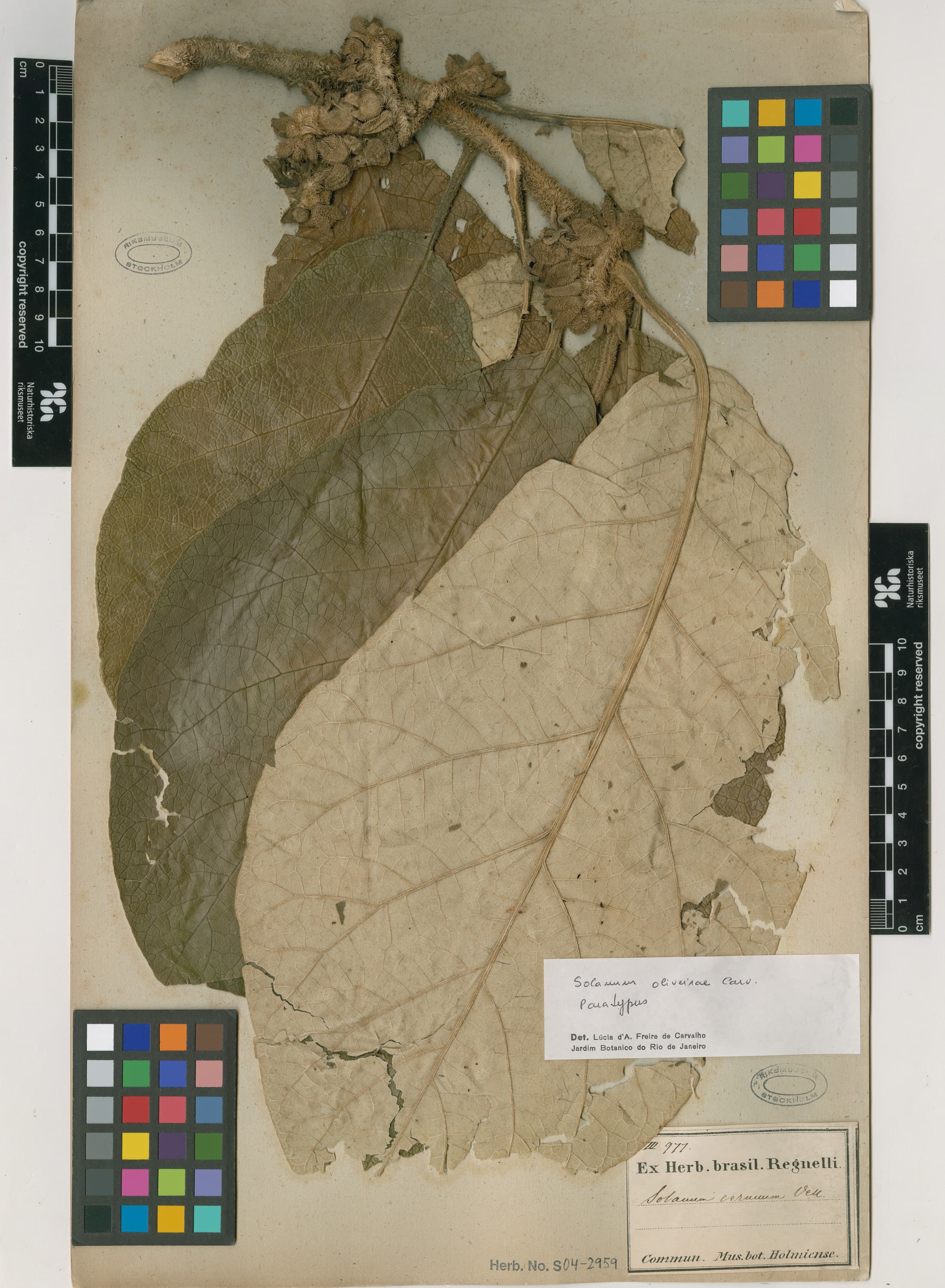
Hydrangea strigosa is a deciduous shrub native to China, characterized by its large, ovate to elliptic leaves, often with a rough or hairy texture. It produces flattened corymbs of flowers, featuring small, fertile, purplish-blue or pinkish central florets surrounded by larger, showy, sterile white or pinkish marginal florets.