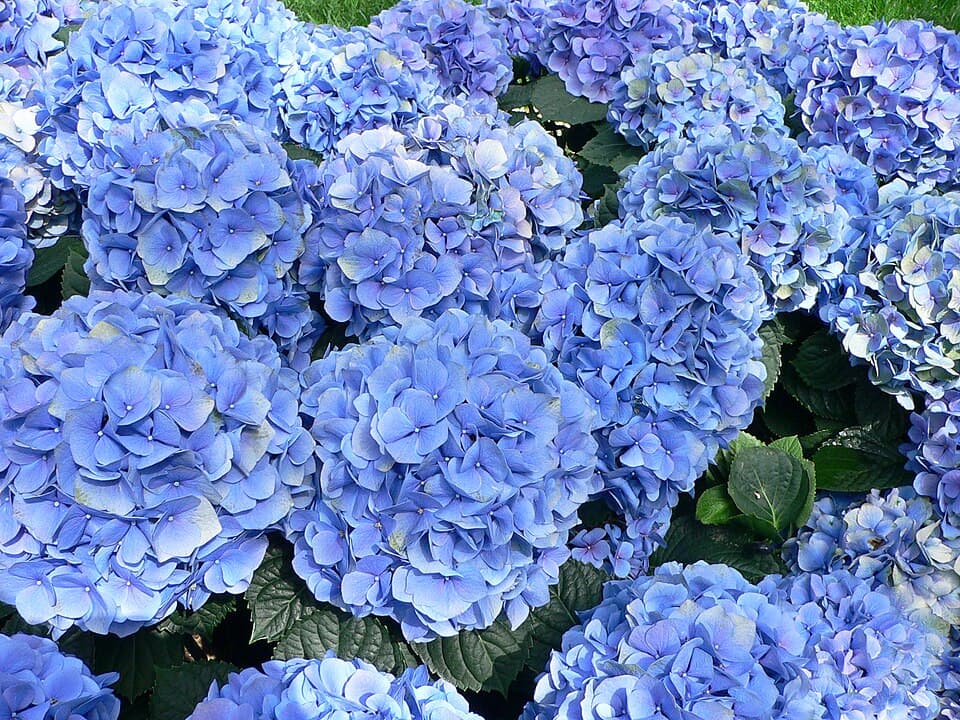
Hydrangea hypoglauca
Image: McLaren, Henry Duncan (cc0)
NameHydrangea hypoglauca
Scientific NameHydrangea hypoglauca
Common NamesSilverleaf Hydrangea
Plant FamilyHydrangeaceae
Natural HabitatNative to central and western China, it typically grows in forests, thickets, and along stream banks at elevations ranging from 500 to 2000 meters.
Parts Usedroot,leaf
Medicinal Actionsdiuretic, anti-inflammatory, astringent
Traditional UsesWhile specific traditional uses for Hydrangea hypoglauca are less documented in Western herbalism, other Hydrangea species, particularly the root, have been traditionally used for urinary tract issues such as kidney stones, bladder infections, and prostate problems due to their diuretic and lithotriptic properties. It may also be used for conditions involving inflammation and fluid retention.
Active Constituentshydrangin, saponins, flavonoids, hydrangeic acid, scopoletin
Preparation Methodsdecoction, tincture, powder
Contraindications & WarningsHigh doses may cause gastrointestinal upset including nausea, vomiting, and diarrhea. It should be avoided during pregnancy and lactation, and caution is advised for individuals on diuretics or blood-thinning medications.
Cultivation NotesThis shrub prefers partial shade to full sun and thrives in moist, well-drained, acidic to neutral soil. It is hardy in USDA zones 6-9 and can be propagated by cuttings.
Rarityuncommon
Description
Hydrangea hypoglauca is a deciduous shrub native to China, characterized by its ovate to elliptic leaves that have a distinctive silvery-white, glaucous underside. It produces terminal corymbs of small, yellowish-white fertile flowers, sometimes accompanied by larger sterile florets.