Hydrangea chungii
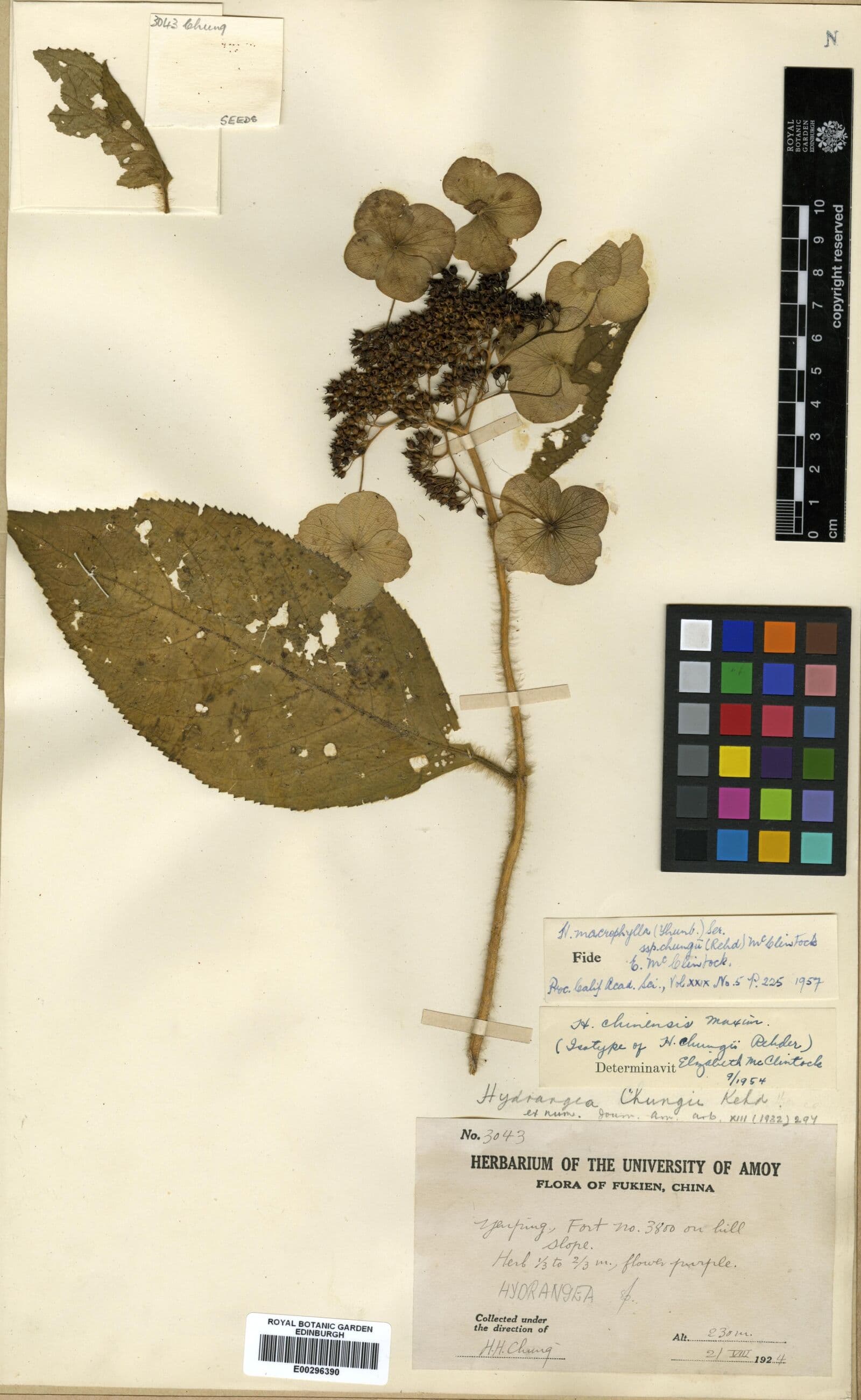
Image: Royal Botanic Garden Edinburgh (cc0)
NameHydrangea chungii
Scientific NameHydrangea macrophylla subsp. chungii
Common NamesChung's Hydrangea
Plant FamilyHydrangeaceae
Natural HabitatNative to hill slopes in Fujian (Fukien) province, China, found at altitudes around 230 meters.
Parts Usedleaf,flower,root
Medicinal Actionsdiuretic, anti-inflammatory, antioxidant
Traditional UsesTraditionally, various Hydrangea species, including those closely related to H. chungii, have been used in herbal medicine for their diuretic properties to address urinary tract issues, kidney stones, and prostate conditions.
Active Constituentshydrangin, saponins, flavonoids, hydrangenol
Preparation Methodsinfusion, decoction, tincture
Contraindications & WarningsLarge doses can be toxic, potentially causing nausea, vomiting, and dizziness. It should be avoided by pregnant or nursing women and individuals with kidney disease.
Cultivation NotesPrefers moist, well-drained soil and partial shade. Can be propagated from seeds or cuttings, thriving in conditions similar to its native hill slope habitat.
Rarityuncommon
Description
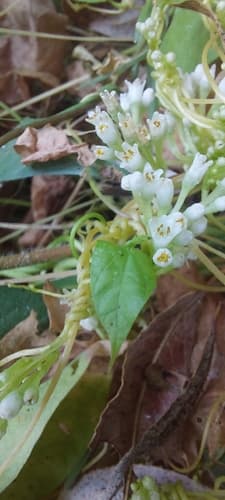
A herbaceous plant typically growing 1/3 to 2/3 meters tall, characterized by large, ovate, serrated leaves. It produces an inflorescence with both showy sterile florets and smaller fertile flowers, which are noted to be purple.