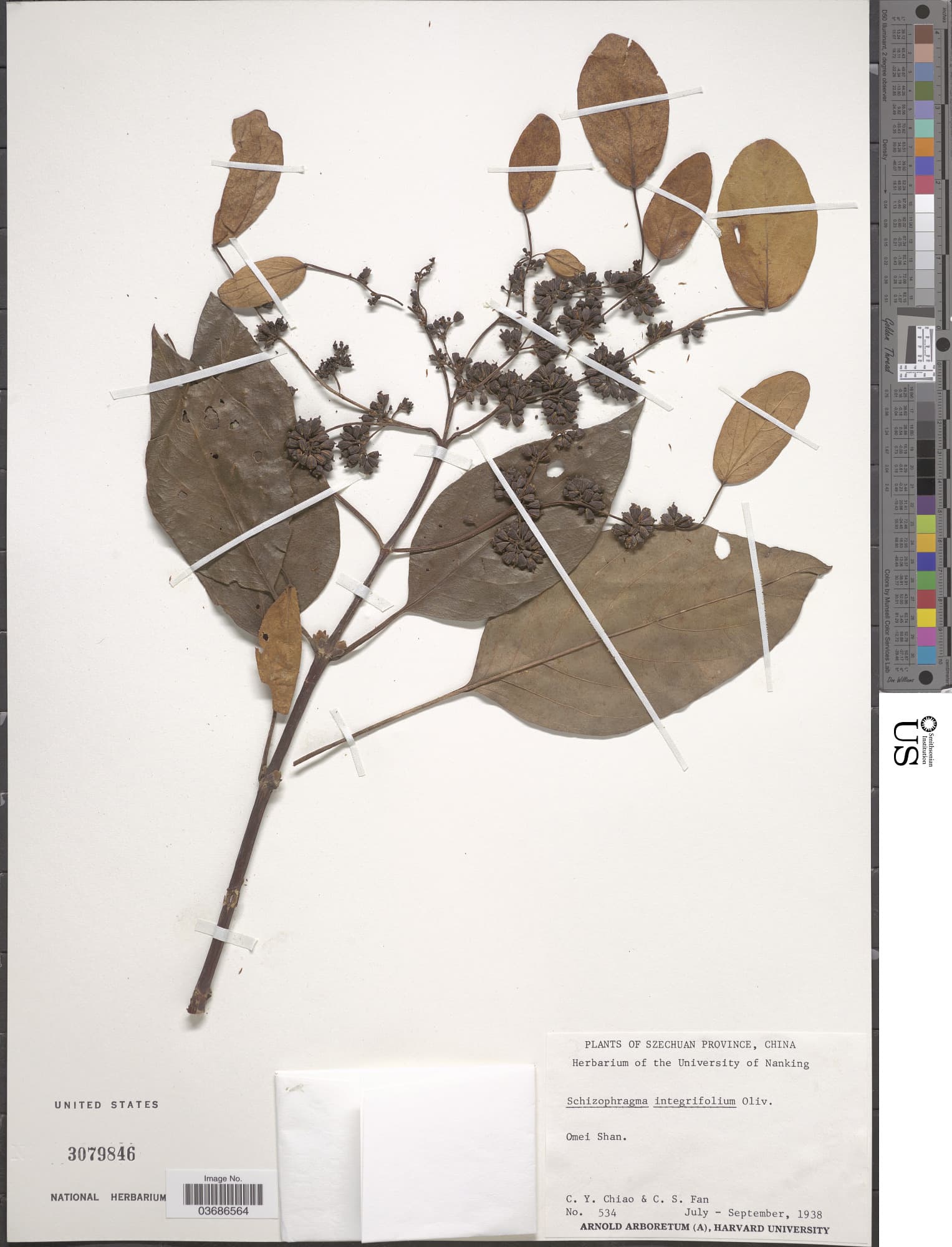
Hydrangea ampla
Image: Conveyor Belt (cc0)
NameHydrangea ampla
Scientific NameHydrangea ampla (Chun) Y.De Smet & C.Granados
Common NamesChinese Climbing Hydrangea
Plant FamilyHydrangeaceae
Natural HabitatFound in forests, thickets, and on mountain slopes in various provinces of China.
Parts Usedleaf,root
Medicinal Actionsdiuretic, anti-inflammatory, antimicrobial, antioxidant
Traditional UsesTraditionally, some Hydrangea species are used in Chinese medicine to clear heat, promote urination, and treat conditions such as urinary tract infections and fevers. While specific documentation for H. ampla is limited, it is likely to share similar applications within the genus for urinary health and anti-inflammatory effects.
Active Constituentshydrangin, hydrangenol, flavonoids, saponins
Preparation Methodsinfusion, decoction, tincture, powder
Contraindications & WarningsCaution is advised for individuals with kidney conditions or electrolyte imbalances due to its diuretic properties. Pregnant and nursing women should avoid use, and some individuals may experience gastrointestinal upset or skin irritation.
Cultivation NotesThis climbing shrub thrives in moist, well-drained soil and prefers partial shade. It can be cultivated on trellises, walls, or as a groundcover in suitable climates.
Rarityuncommon
Description
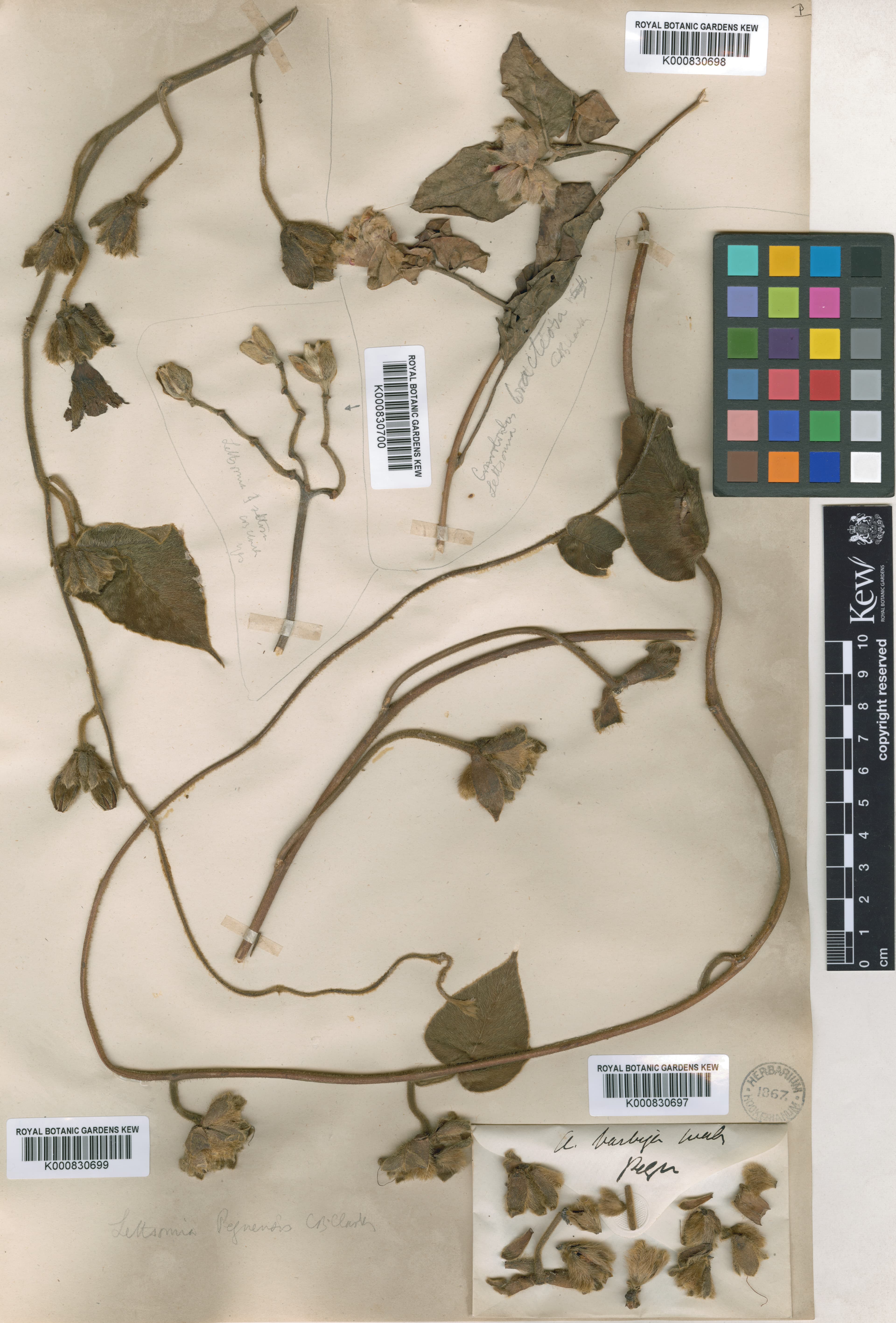
Hydrangea ampla is a climbing or scrambling shrub native to China, characterized by its ovate to elliptic leaves. It produces terminal clusters of white or greenish-white flowers, often with showy sterile florets.