Hazel Dodder
NameHazel Dodder
Scientific NameCuscuta parviflora
Common NamesHazel Dodder, Small-flowered Dodder, Dodder
Plant FamilyConvolvulaceae
Natural HabitatTypically found parasitizing various herbaceous plants and shrubs, often in moist, disturbed areas, fields, roadsides, and along stream banks. It is known to parasitize plants like hazel, goldenrod, and other composites.
Parts Usedwhole_plant,seed
Medicinal Actionsantioxidant, anti-inflammatory, diuretic, adaptogen
Traditional UsesWhile specific traditional uses for Cuscuta parviflora are less documented than for Asian dodder species, the genus Cuscuta is generally used in folk medicine for liver and kidney support, improving vision, and as a diuretic. It is believed to share some general properties with other dodder species.
Active Constituentsflavonoids, lignans, polysaccharides, saponins
Preparation Methodsinfusion, decoction, powder, tincture
Contraindications & WarningsDue to its parasitic nature and potential for potent effects, internal use should be approached with caution and professional guidance. General contraindications for dodder species include pregnancy, lactation, and individuals with yin deficiency with heat signs.
Cultivation NotesCuscuta parviflora is an obligate parasitic plant and is not typically cultivated in the traditional sense. It grows by attaching to and drawing nutrients from host plants. Cultivation would involve providing suitable host plants for it to parasitize.
Raritycommon
Description
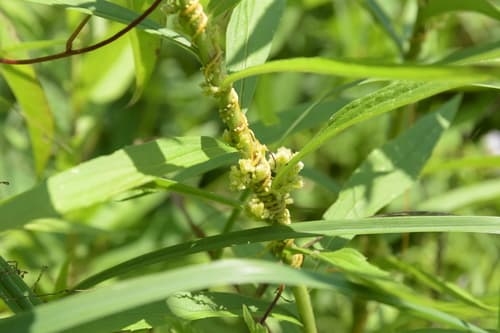
Cuscuta parviflora is a parasitic annual vine characterized by its slender, yellowish-orange, thread-like stems that twine around host plants. It lacks true leaves and chlorophyll, obtaining nutrients through haustoria that penetrate the host. It produces small, whitish to yellowish flowers in dense clusters along its stems.