Hairy Nightshade
NameHairy Nightshade
Scientific NameSolanum sarrachoides
Common NamesHairy Nightshade, Leafy-fruited Nightshade, Sticky Nightshade
Plant FamilySolanaceae
Natural HabitatCommonly found in disturbed areas, cultivated fields, gardens, roadsides, and waste places. It prefers full sun and well-drained soils.
Parts Usedwhole_plant
Medicinal Actionsanti-inflammatory
Traditional UsesDue to its toxicity, Hairy Nightshade is not commonly used in traditional herbal medicine. Some Solanum species have been used externally for skin ailments or pain relief, but internal use is highly discouraged due to the presence of toxic glycoalkaloids.
Active ConstituentsSolanine, Solamargine, Chaconine
Preparation Methodspoultice, salve
Contraindications & WarningsALL parts of the plant are considered toxic, especially the unripe berries, due to glycoalkaloids. Ingestion can cause nausea, vomiting, diarrhea, abdominal pain, headache, and in severe cases, neurological symptoms and death. Avoid internal use entirely. Not safe for pregnant or breastfeeding women, children, or individuals with liver or kidney conditions.
Cultivation NotesHairy Nightshade is typically considered a weed and is not cultivated intentionally for medicinal purposes. It is an annual plant that thrives in disturbed soils, full sun, and moderate moisture. It can be invasive.
Raritycommon
Description
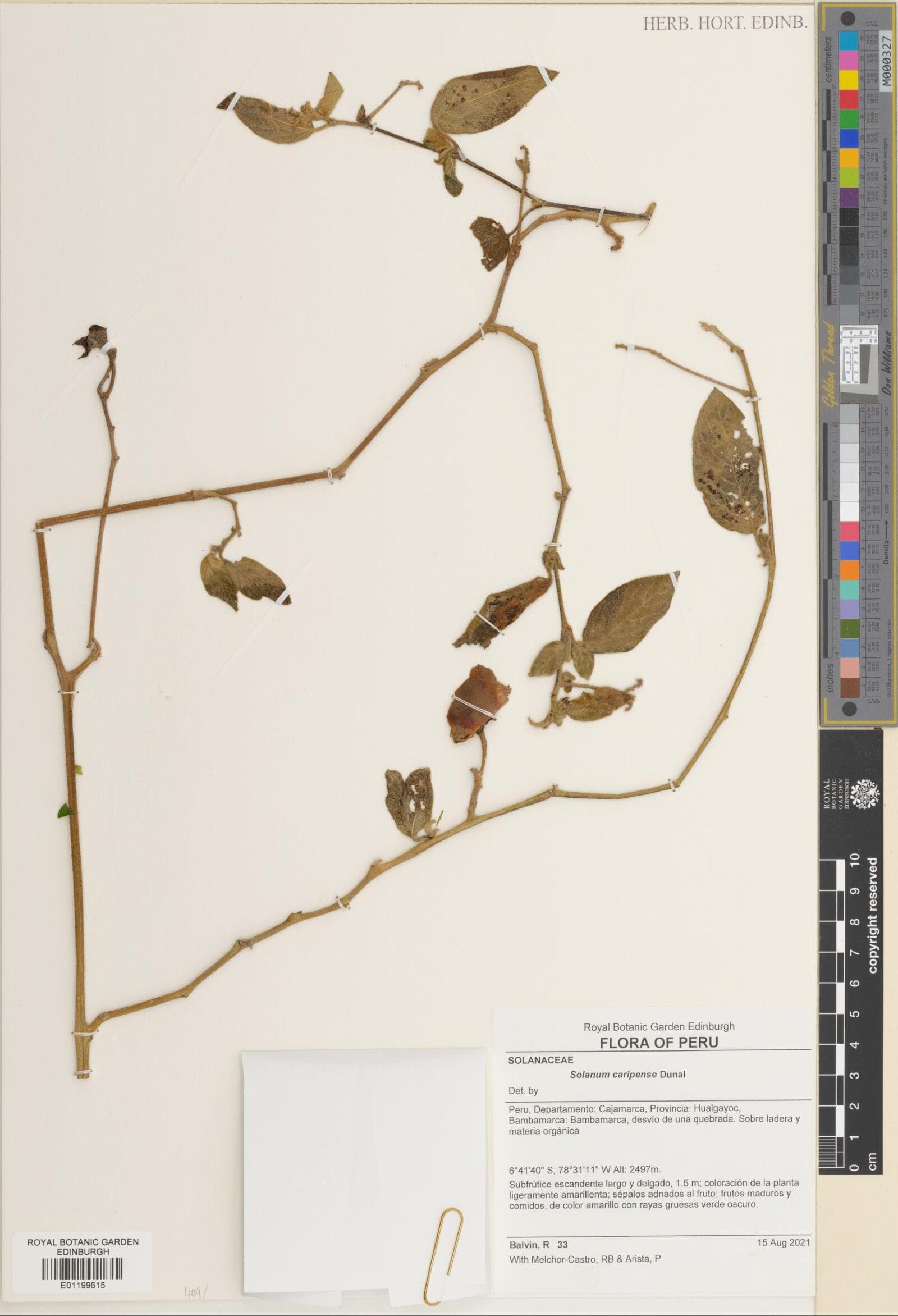
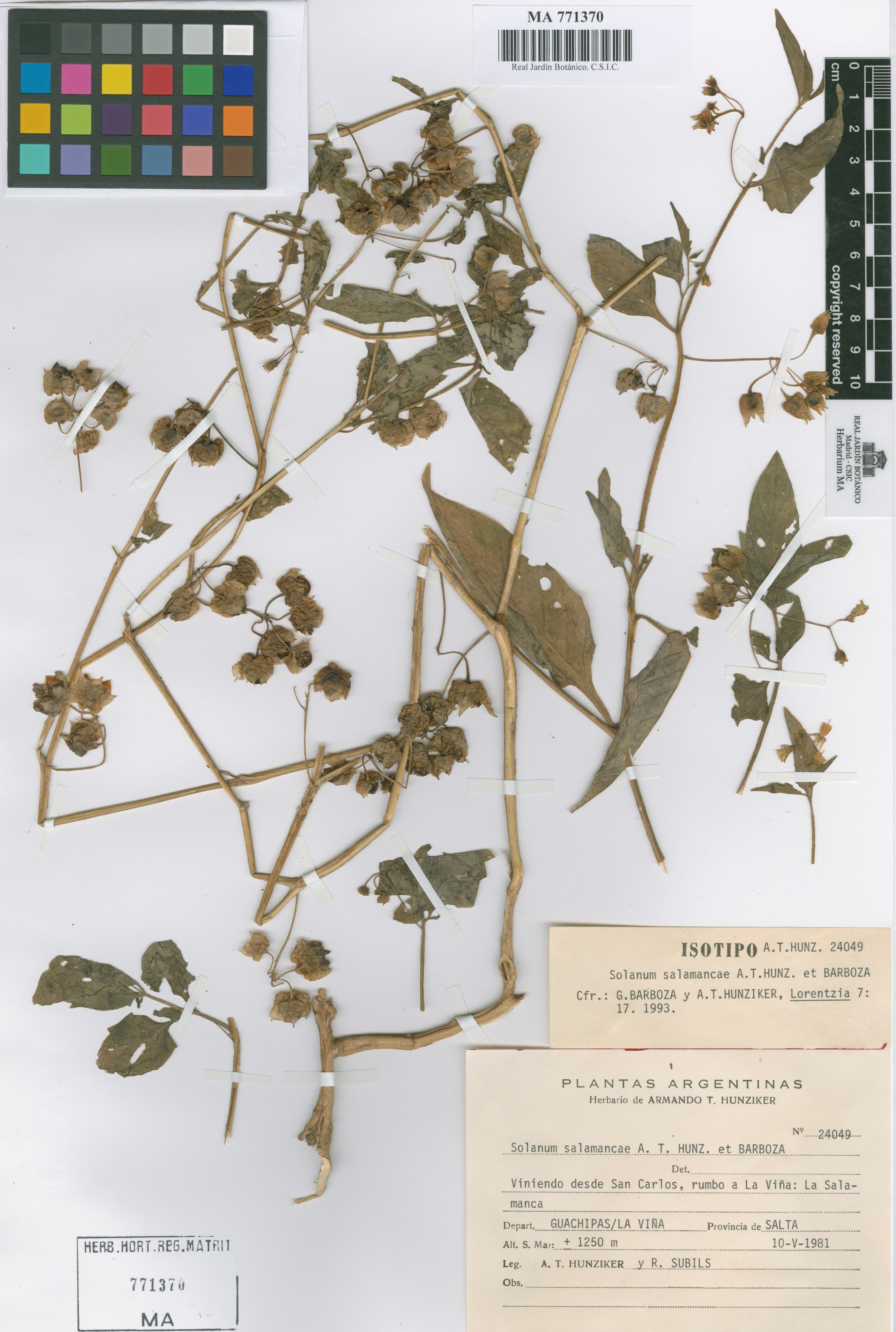
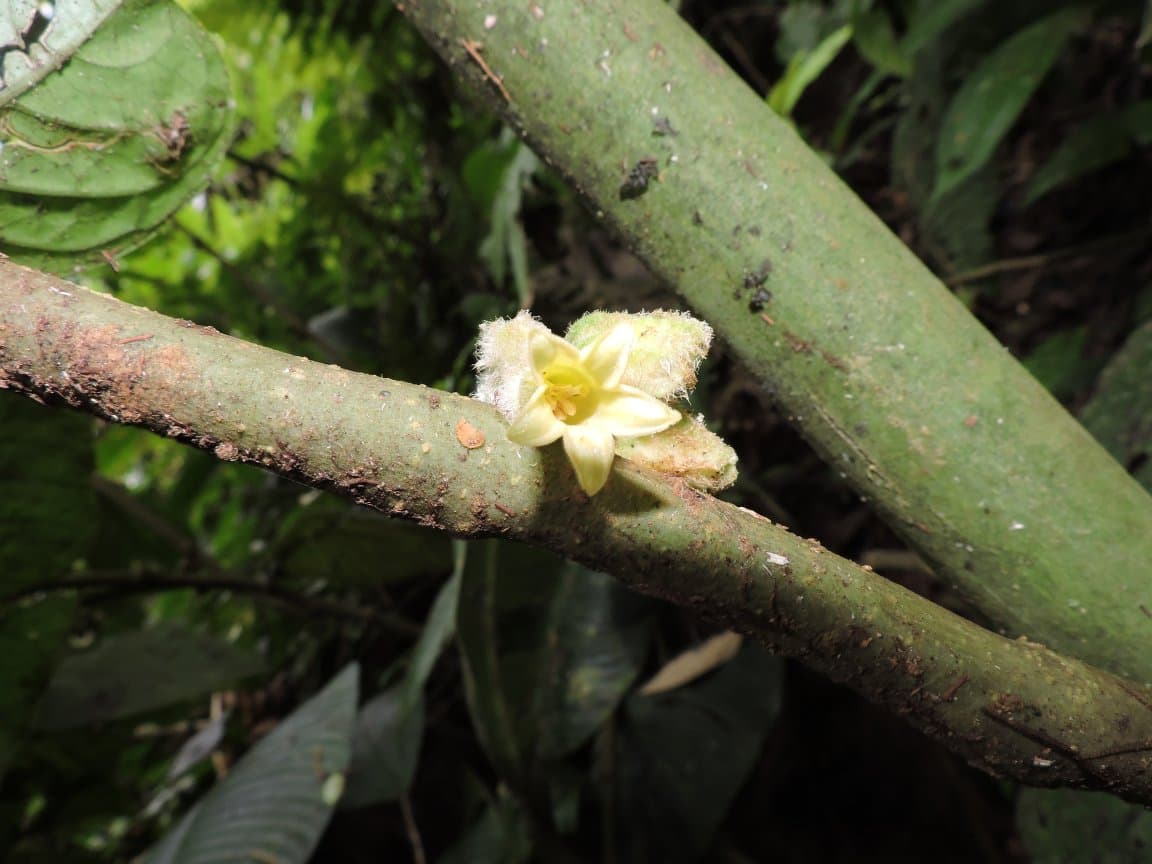
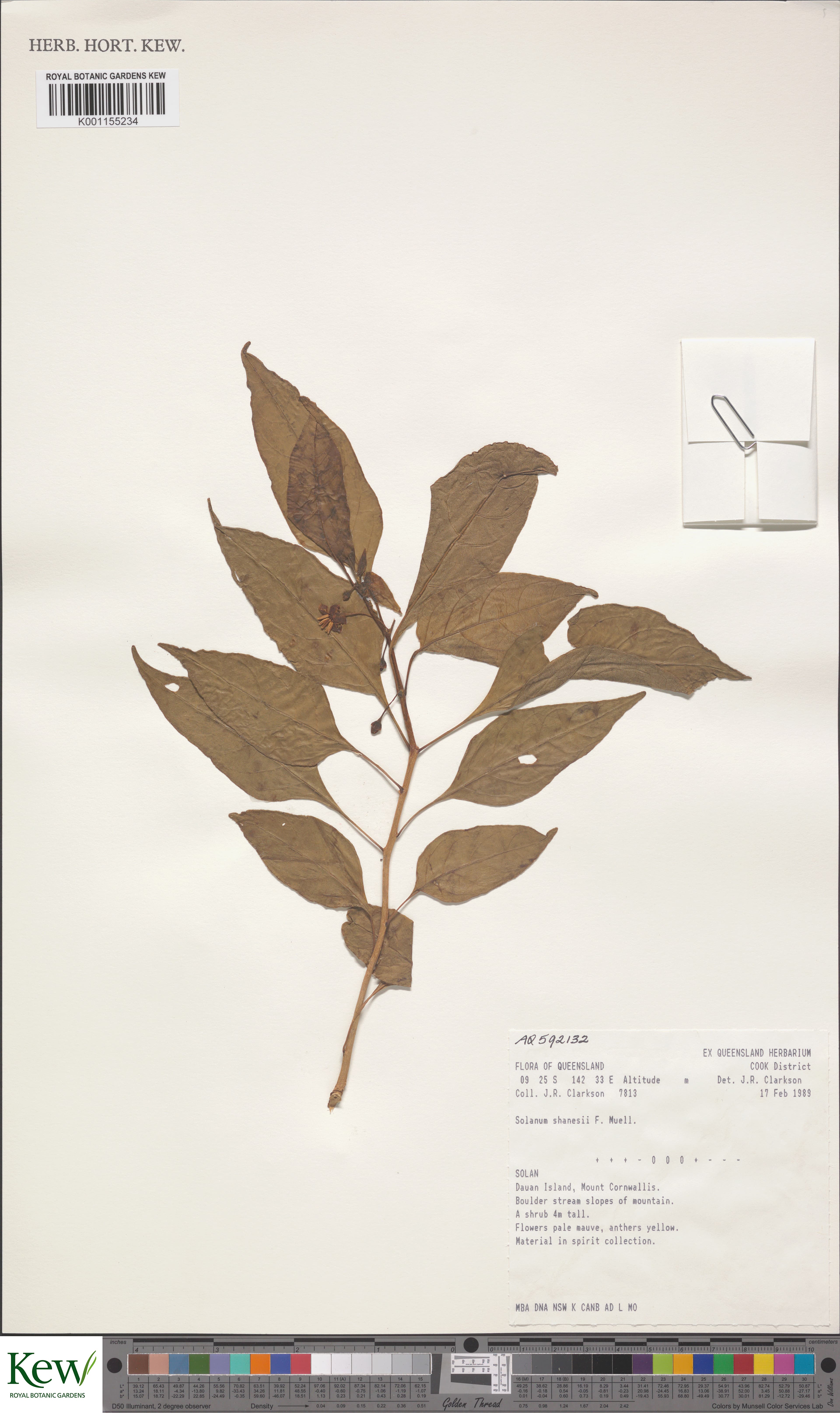
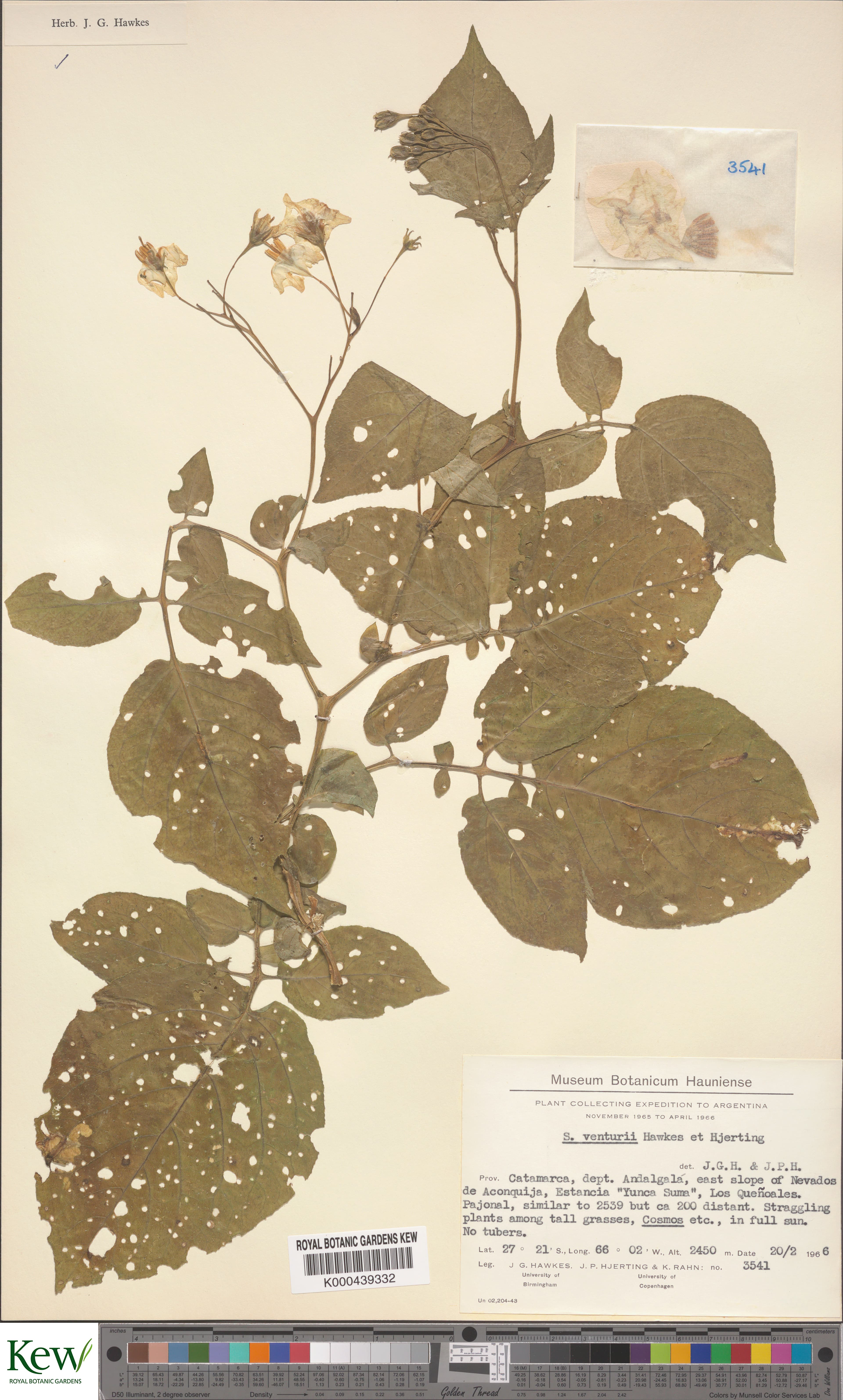
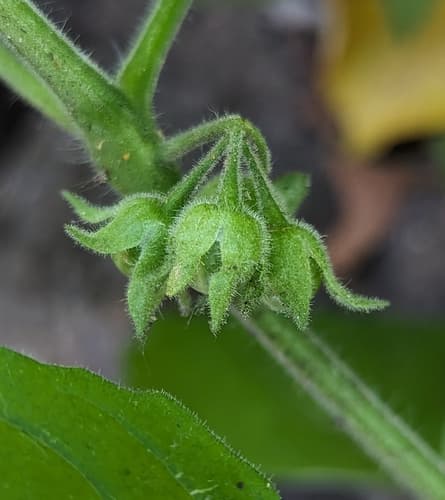
An annual herbaceous plant characterized by its densely hairy stems and leaves. It produces small white to purplish flowers followed by green berries that mature to black.