Hairy Bindweed
NameHairy Bindweed
Scientific NameConvolvulus prostratus
Common NamesHairy Bindweed, Shankhpushpi, Prostrate Bindweed
Plant FamilyConvolvulaceae
Natural HabitatCommonly found in dry, sandy, or rocky soils across arid and semi-arid regions. It thrives in open fields, disturbed areas, roadsides, and grasslands, often tolerating harsh conditions.
Parts Usedwhole_plant
Medicinal Actionsadaptogen, anti-inflammatory, antioxidant, nervine, sedative
Traditional UsesTraditionally revered in Ayurvedic medicine as a potent brain tonic (Medhya Rasayana) to enhance memory, concentration, and cognitive function. It is widely used to alleviate stress, anxiety, insomnia, and mental fatigue, acting as a general nervine tonic to calm the nervous system.
Active ConstituentsConvolvuline, Shankhpushpine, Glycosides, Flavonoids, Alkaloids, Scopoletin
Preparation Methodsinfusion, decoction, powder, tincture
Contraindications & WarningsGenerally considered safe, but pregnant and breastfeeding women should consult a healthcare professional before use. Due to its nervine and sedative properties, it may interact with other sedative medications, potentially enhancing their effects.
Cultivation NotesPrefers full sun exposure and well-drained soil, showing high drought tolerance once established. It can be propagated from seeds or root cuttings and is often considered a weed in agricultural settings due to its vigorous, spreading growth habit.
Raritycommon
Description
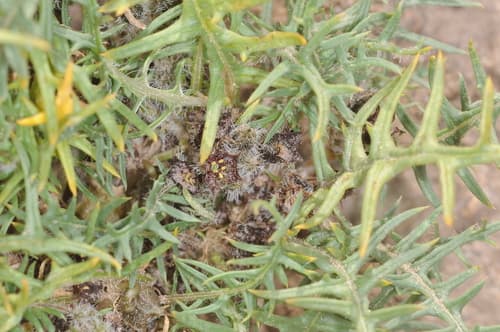
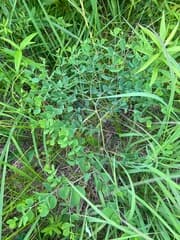
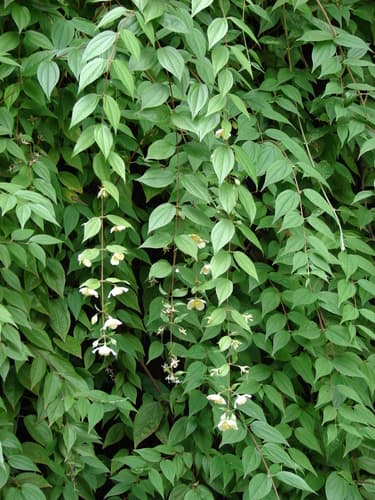
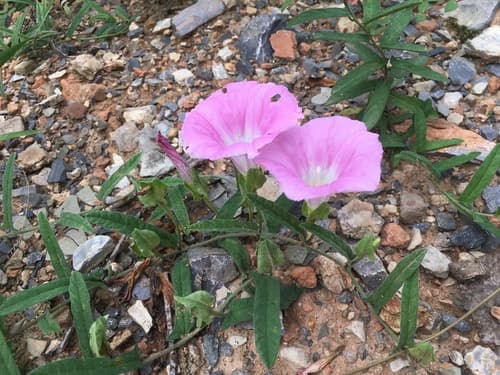
A perennial herbaceous plant characterized by its prostrate or weakly climbing, often hairy stems and small, oblong to lanceolate leaves. It produces distinctive funnel-shaped flowers, typically pink to white, that bloom singly or in small clusters. This plant spreads low to the ground, often forming mats.