Grindelia
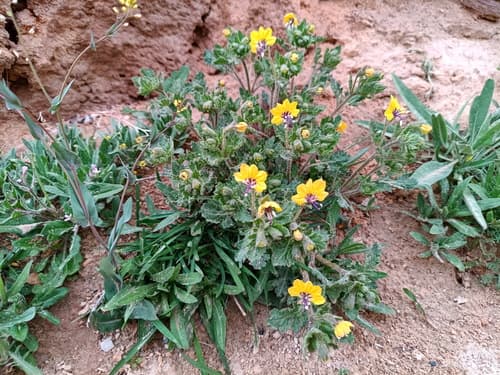
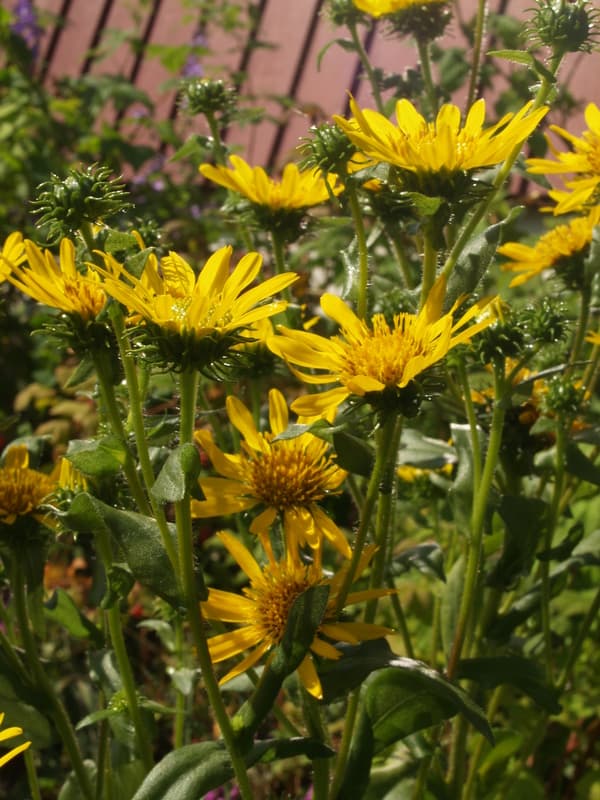
Image: Stephen Barstow (cc-by)
NameGrindelia
Scientific NameGrindelia robusta
Common NamesGumweed, Gum Plant, Rosinweed, Broadleaf Gum Plant
Plant FamilyAsteraceae
Natural HabitatNative to western North America, Grindelia robusta thrives in dry, open habitats such as grasslands, prairies, roadsides, and disturbed areas. It prefers full sun and well-drained soils.
Parts Usedflower,leaf,whole_plant
Medicinal Actionsexpectorant, anti-inflammatory, antimicrobial, antioxidant
Traditional UsesTraditionally, Grindelia has been used to treat respiratory conditions such as asthma, bronchitis, whooping cough, and other ailments involving excessive mucus and spasmodic coughs. It is valued for its ability to loosen phlegm and soothe irritated mucous membranes. Topically, it has been applied as a poultice for skin irritations, poison ivy, and insect bites.
Active Constituentsgrindelic acid, diterpenes, flavonoids, saponins, essential oils
Preparation Methodsinfusion, decoction, tincture, poultice, salve
Contraindications & WarningsGrindelia should be used with caution in individuals with kidney irritation or inflammation due to its mild diuretic properties. Pregnant and lactating women should avoid its use. Allergic reactions may occur in individuals sensitive to plants in the Asteraceae family.
Cultivation NotesGrindelia robusta is relatively easy to cultivate, preferring full sun exposure and well-drained soil. It is drought-tolerant once established and can be propagated from seeds or by division. It is a hardy plant that can tolerate various soil types.
Raritycommon
Description
Grindelia robusta is an herbaceous perennial plant characterized by its bright yellow, daisy-like flower heads that are notably sticky with a resinous exudate. Its leaves are typically sessile, clasping the stem, and often serrated, contributing to its robust appearance.