Greenspot Nightshade
NameGreenspot Nightshade
Scientific NameSolanum dulcamara
Common NamesBittersweet Nightshade, Climbing Nightshade, Woody Nightshade, Fever Twig
Plant FamilySolanaceae
Natural HabitatCommonly found in moist, disturbed areas such as woodlands, hedgerows, riverbanks, ditches, and waste grounds. It thrives in temperate regions.
Parts Usedleaf,whole_plant
Medicinal Actionsanti-inflammatory, diuretic, sedative
Traditional UsesTraditionally, Greenspot Nightshade (Bittersweet Nightshade) has been used cautiously in herbal medicine. It was historically applied externally as a poultice or wash for skin conditions like eczema, warts, and fungal infections. Internally, in very small, controlled doses, it was used as a diuretic and alterative for chronic inflammatory conditions, rheumatism, and respiratory issues, though its toxicity necessitates extreme caution.
Active ConstituentsSolanine, Solasodine, Dulcamarine, Saponins, Steroidal alkaloids
Preparation Methodsdecoction, tincture, poultice, salve
Contraindications & WarningsHighly toxic due to steroidal glycoalkaloids, especially solanine. All parts of the plant, particularly unripe berries, are poisonous if ingested. Use with extreme caution and only under professional guidance. Not for use by pregnant or breastfeeding women, children, or individuals with liver or kidney disease. Can cause nausea, vomiting, diarrhea, dizziness, and cardiac issues. Avoid self-medication.
Cultivation NotesGreenspot Nightshade is a hardy plant that can be grown from seed or cuttings. It prefers moist, well-drained soil and partial to full sun. It is a vigorous climber and can become invasive if not managed. Tolerant of various soil types and conditions.
Raritycommon
Description
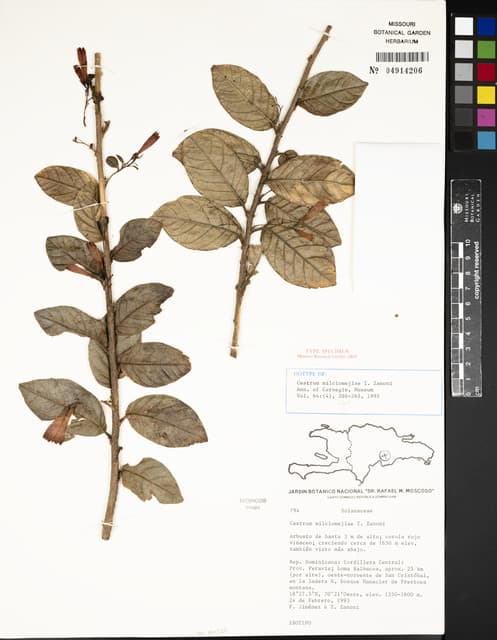
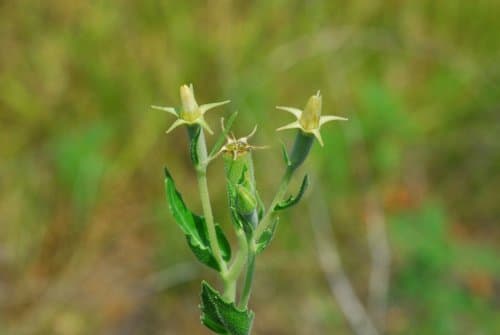
Greenspot Nightshade is a perennial vine or sprawling shrub with woody stems. It features clusters of star-shaped purple flowers, often with a distinct green spot at the base of each petal, and prominent yellow anthers. The leaves are typically ovate to heart-shaped, sometimes lobed at the base.