Ginkgo
NameGinkgo
Scientific NameGinkgo biloba
Common NamesGinkgo, Maidenhair Tree
Plant FamilyGinkgoaceae
Natural HabitatNative to China, Ginkgo biloba is now widely cultivated globally in temperate climates. It thrives in well-drained soils and can tolerate a range of conditions, including urban pollution and various soil types.
Parts Usedleaf,seed
Medicinal Actionsantioxidant, anti-inflammatory
Traditional UsesTraditionally, Ginkgo leaves have been used in Chinese medicine for asthma, bronchitis, and circulatory disorders. Modern herbalism primarily uses standardized leaf extracts to improve cognitive function, memory, and circulation, particularly in cases of age-related cognitive decline, tinnitus, and peripheral artery disease.
Active Constituentsflavonoid glycosides, terpene lactones (ginkgolides, bilobalide)
Preparation Methodsinfusion, tincture, powder
Contraindications & WarningsMay increase the risk of bleeding, especially when taken with anticoagulant or antiplatelet medications. Should be avoided before surgery. The raw seeds and fruit pulp are toxic and can cause allergic reactions or seizures.
Cultivation NotesGinkgo trees are hardy and adaptable, preferring full sun to partial shade and well-drained soil. They are slow-growing but long-lived and resistant to pests and diseases. Requires male and female trees for seed production; female trees produce foul-smelling fruit.
Raritycommon
Description
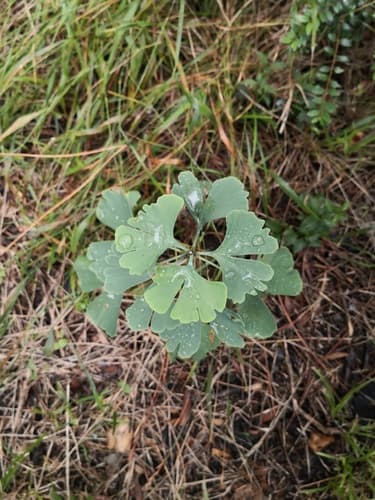
Ginkgo biloba is a unique deciduous tree, often called a living fossil, known for its distinctive fan-shaped leaves that turn golden yellow in autumn. The leaves are typically bilobed, with a notch in the center, and are arranged in clusters on short shoots.