Ginger
NameGinger
Scientific NameZingiber officinale
Common NamesGinger, Common Ginger, True Ginger
Plant FamilyZingiberaceae
Natural HabitatNative to tropical rainforests of Maritime Southeast Asia, ginger is now extensively cultivated in tropical and subtropical regions worldwide. It thrives in warm, humid climates with partial shade.
Parts Usedroot
Medicinal Actionsanalgesic, anti-inflammatory, antioxidant, carminative, expectorant
Traditional UsesTraditionally, ginger is used to alleviate nausea, motion sickness, and morning sickness. It is also employed to aid digestion, reduce pain and inflammation associated with conditions like arthritis, and to treat symptoms of colds and flu.
Active ConstituentsGingerols, Shogaols, Zingiberene, Zingerone
Preparation Methodsinfusion, decoction, tincture, powder, essential oil
Contraindications & WarningsMay interact with blood-thinning medications (anticoagulants) due to its antiplatelet effects. High doses can potentially cause mild heartburn, stomach upset, or diarrhea. Caution is advised for individuals with gallstone conditions.
Cultivation NotesGinger grows best in warm, humid environments with well-drained, fertile soil. It prefers partial shade and consistent moisture, and is typically propagated from pieces of its rhizome.
Raritycommon
Description
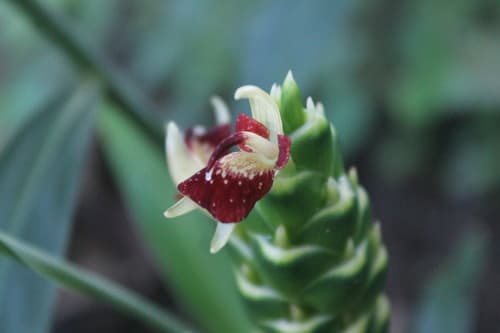
Ginger is a flowering plant whose rhizome, commonly known as ginger root, is widely used as a spice and traditional medicine. It is a herbaceous perennial growing up to 1 meter tall, featuring narrow leaf blades and producing a distinctive flower spike from the rhizome.