Forest Morning Glory
NameForest Morning Glory
Scientific NameIpomoea digitata
Common NamesGiant Potato, Wild Potato, Vidari, Bhumikushmanda, Ipomoea paniculata
Plant FamilyConvolvulaceae
Natural HabitatNative to tropical and subtropical regions worldwide, commonly found in disturbed areas, forest margins, riverbanks, and coastal thickets, thriving in warm, humid climates.
Parts Usedroot,leaf
Medicinal Actionsadaptogen, demulcent, diuretic, nervine, antioxidant, anti-inflammatory
Traditional UsesIn Ayurvedic medicine, the tuberous root is highly valued as a rasayana (rejuvenative tonic) for general debility, promoting strength, vitality, and supporting reproductive health. It is traditionally used to treat emaciation, improve lactation, enhance immunity, and as a nervine tonic for stress and anxiety, as well as for urinary disorders.
Active ConstituentsGlycosides, Resins, Starch, Sugars, Phytosterols, Flavonoids
Preparation Methodsdecoction, powder, infusion
Contraindications & WarningsGenerally considered safe, but caution is advised during pregnancy and lactation due to potential hormonal effects. Large doses may cause purgative effects. Individuals with diabetes should monitor blood sugar levels.
Cultivation NotesPrefers full sun to partial shade and well-drained, fertile soil. This fast-growing vine requires support for climbing and is propagated by seeds or root cuttings, thriving in warm, humid conditions.
Raritycommon
Description
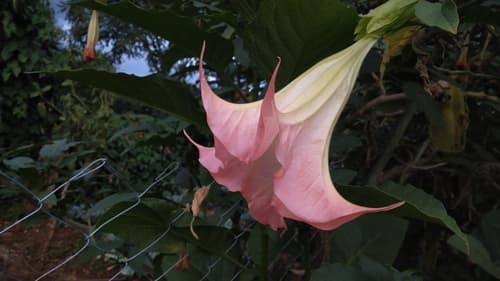
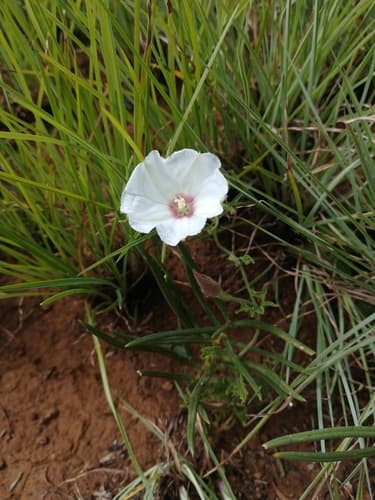
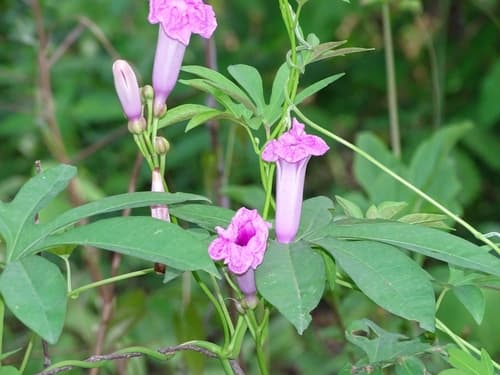
A robust perennial climbing vine characterized by large, deeply palmately lobed leaves, typically with 5-7 segments. It produces showy, funnel-shaped flowers that are usually pink to purplish-pink, often appearing in clusters.