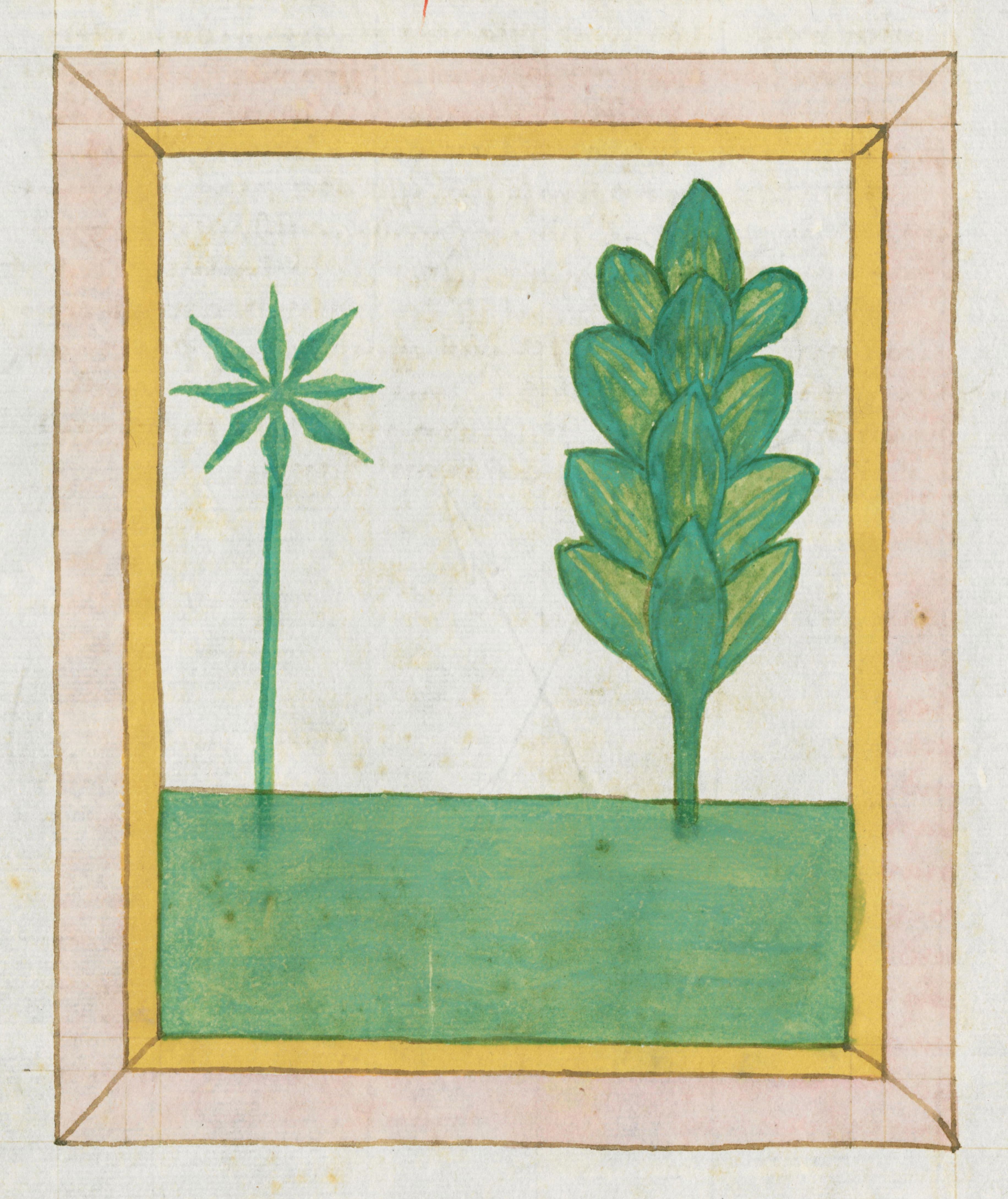
Fir sponge
NameFir sponge
Scientific NameFomitopsis pinicola
Common NamesRed Belted Conk, Red-banded Polypore, Pine Conk, Fir Conk, Fir Sponge
Plant FamilyFomitopsidaceae (Fungus)
Natural HabitatWidespread in temperate and boreal forests across the Northern Hemisphere, growing as a saprophyte or weak parasite on various tree species, commonly found on fir, spruce, pine, and birch.
Parts Usedwhole_plant
Medicinal Actionsadaptogen, anti-inflammatory, antimicrobial, antioxidant, analgesic
Traditional UsesTraditionally used in various folk medicines, including Traditional Chinese Medicine and Native American traditions, for its immunomodulatory, anti-inflammatory, and antimicrobial properties. It has been employed to treat infections, reduce inflammation, support liver health, and as a general tonic for vitality and longevity.
Active ConstituentsTriterpenes, Polysaccharides (beta-glucans), Ergosterols, Phenolic compounds
Preparation Methodsdecoction, tincture, powder
Contraindications & WarningsGenerally considered safe, but caution is advised for individuals with autoimmune conditions due to its immunomodulatory effects. May interact with immunosuppressant medications.
Cultivation NotesPrimarily wild-harvested from dead or decaying trees. While it can be cultivated on logs or sawdust substrates, its growth is slow and it is more commonly gathered from its natural forest habitat.
Raritycommon
Description
Fomitopsis pinicola is a perennial bracket fungus, typically hoof-shaped or shelf-like, characterized by a distinctive red-orange band near its margin and a greyish-brown to blackish cap. It causes brown rot in dead or living coniferous and deciduous trees, growing directly from the wood.