Fiddleleaf Tobacco
NameFiddleleaf Tobacco
Scientific NameNicotiana repanda
Common NamesFiddleleaf Tobacco, Fiddle-leaf Tobacco
Plant FamilySolanaceae
Natural HabitatNative to the southwestern United States and northern Mexico, this plant thrives in arid and semi-arid regions. It is commonly found in disturbed areas, rocky slopes, sandy soils, and along roadsides.
Parts Usedleaf
Medicinal Actionsanalgesic, anti-inflammatory
Traditional UsesHistorically, various Nicotiana species, including Fiddleleaf Tobacco, have been used by indigenous cultures for ceremonial purposes, as a stimulant, and topically for pain relief, insect bites, and skin irritations. Due to its high toxicity, internal use is extremely dangerous and was often limited to ritualistic contexts or very specific, highly controlled applications.
Active ConstituentsNicotine, Nornicotine, Anabasine
Preparation Methodspoultice, powder
Contraindications & WarningsFiddleleaf Tobacco is highly toxic due to its alkaloid content, especially nicotine. Internal use is extremely dangerous and can be fatal. It is contraindicated in pregnancy, lactation, individuals with heart conditions, hypertension, gastrointestinal issues, and children. External use should be approached with extreme caution due to potential skin absorption and systemic effects.
Cultivation NotesThis plant prefers full sun exposure and well-drained soil. It is relatively drought-tolerant once established and can be propagated from seeds. It is often considered a weed in its native range.
Rarityuncommon
Description
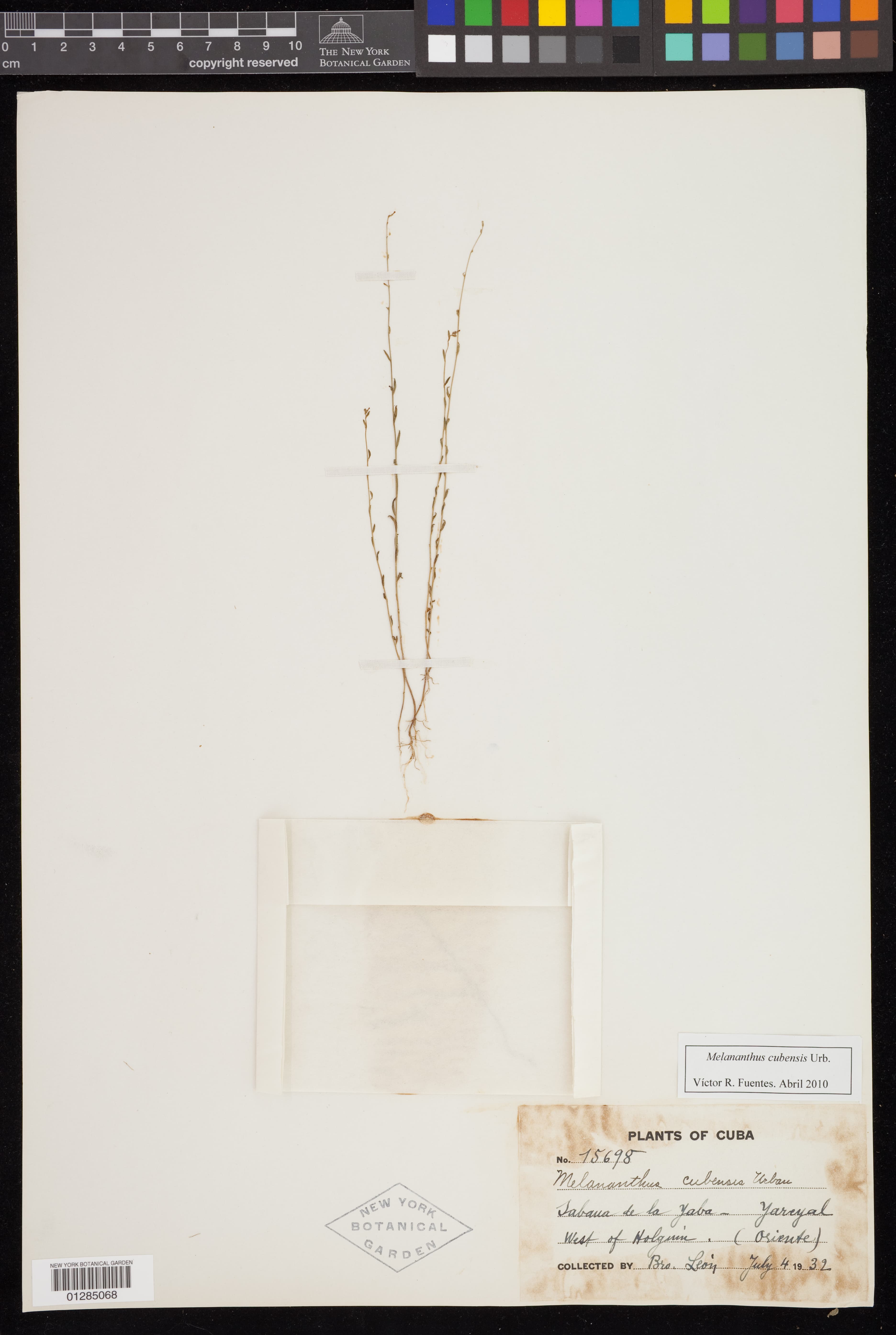
Fiddleleaf Tobacco is an annual or short-lived perennial herb characterized by its distinctive fiddle-shaped leaves (though not visible in this image) and slender stems. It produces white, trumpet-shaped flowers that typically open in the evening, often with a greenish tint on the outside of the corolla tube.