Fennel
NameFennel
Scientific NameFoeniculum vulgare
Common NamesFennel, Sweet Fennel, Wild Fennel
Plant FamilyApiaceae
Natural HabitatNative to the Mediterranean region, fennel thrives in dry, sunny locations, often found in coastal areas, rocky soils, and disturbed ground. It is widely cultivated globally and has naturalized in many temperate climates.
Parts Usedleaf,fruit,root
Medicinal Actionscarminative, expectorant, anti-inflammatory, antimicrobial, antioxidant, diuretic
Traditional UsesTraditionally, fennel is highly valued for its digestive properties, used to relieve flatulence, bloating, and indigestion, and to soothe colic in infants. It also serves as an expectorant for respiratory ailments and is believed to promote lactation in nursing mothers.
Active ConstituentsAnethole, Fenchone, Estragole, Limonene, alpha-Pinene
Preparation Methodsinfusion, decoction, tincture, essential oil, powder
Contraindications & WarningsLarge doses should be avoided during pregnancy due to the presence of estragole. Individuals with allergies to plants in the Apiaceae family (e.g., celery, carrot) should use with caution. May interact with certain medications, including ciprofloxacin and tamoxifen.
Cultivation NotesFennel prefers full sun and well-drained soil, tolerating a range of soil types from sandy to loamy. It is drought-tolerant once established and can readily self-seed. Seeds are typically harvested when they turn a grey-green color.
Raritycommon
Description
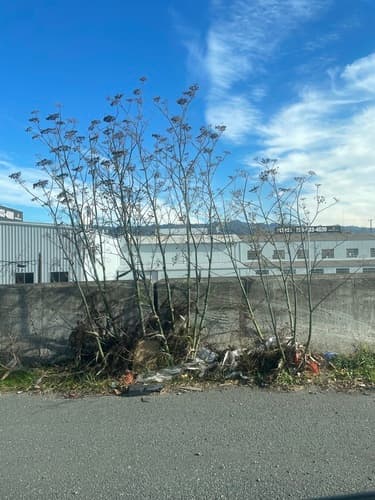
Fennel is an aromatic perennial herb characterized by its feathery, dill-like leaves and hollow stems. It produces clusters of small, yellow flowers arranged in compound umbels, which later develop into small, oblong, ridged fruits commonly referred to as seeds.