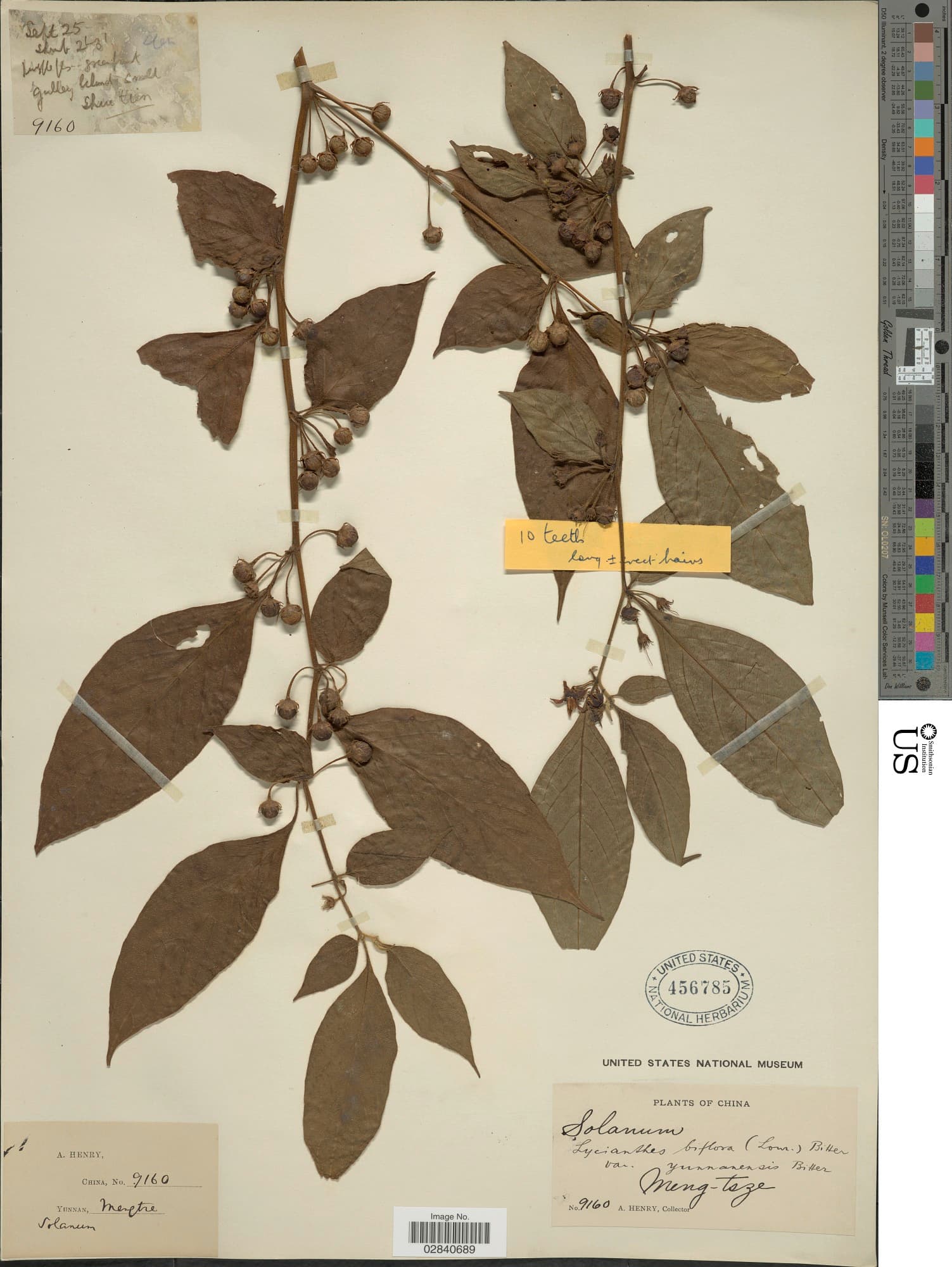
Plum-leaf Elm
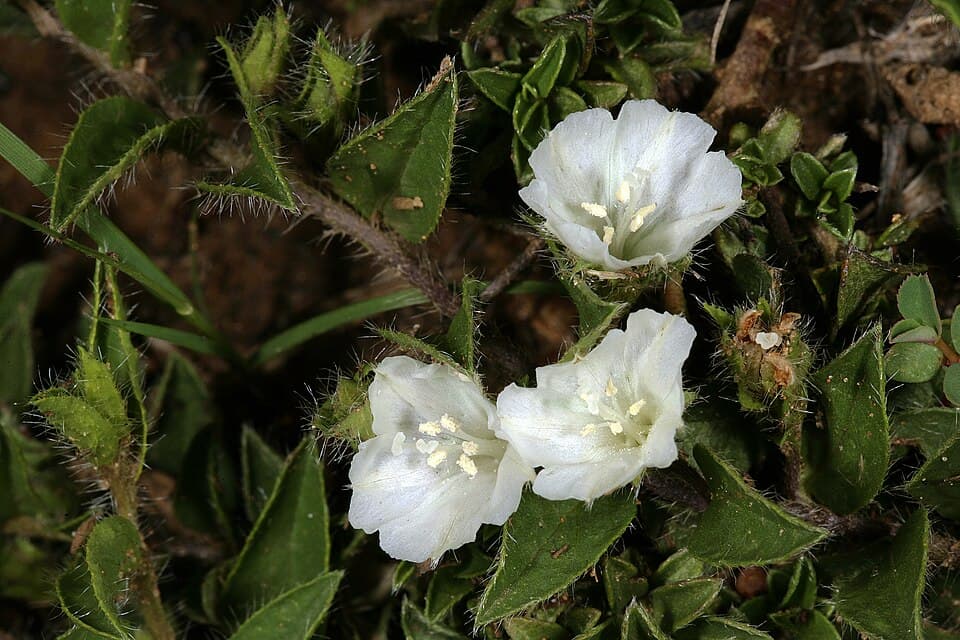
Image: Whittemore, Alan T.; Conrad, Kevin (cc0)
NamePlum-leaf Elm
Scientific NameUlmus prunifolia W.C.Cheng & L.K.Fu
Common NamesPlum-leaf Elm, Prunus-leaf Elm
Plant FamilyUlmaceae
Natural HabitatNative to China, often found in forests and along riverbanks. The specimen was cultivated in Maryland, USA, from seeds originally collected in China.
Parts Usedbark,leaf,fruit
Medicinal Actionsdemulcent, anti-inflammatory, astringent, antioxidant
Traditional UsesTraditionally, the inner bark of elm species has been used to soothe inflamed mucous membranes in the digestive tract, respiratory system, and urinary tract. It is also applied topically as a poultice for skin irritations, wounds, and boils.
Active Constituentsmucilage, tannins, flavonoids
Preparation Methodsinfusion, decoction, powder, poultice
Contraindications & WarningsDue to its mucilage content, elm may interfere with the absorption of other medications if taken simultaneously. It is generally considered safe, but pregnant or nursing individuals should consult a healthcare professional.
Cultivation NotesThis species thrives in well-drained soils and prefers full sun to partial shade. It can be propagated from seeds or by grafting.
Rarityuncommon
Description
A deciduous tree, typically growing to 10 meters, characterized by pale grey bark that loosens in thin plates and twigs without corky outgrowths. Its leaves are ovate with serrated margins, and it produces distinctive winged fruits (samaras).