Ephedra
NameEphedra
Scientific NameEphedra sinica
Common NamesEphedra, Ma Huang, Chinese Ephedra
Plant FamilyEphedraceae
Natural HabitatArid and semi-arid regions, deserts, rocky slopes, and dry plains across Asia, Europe, and North and South America.
Parts Usedwhole_plant
Medicinal Actionsexpectorant, diuretic
Traditional UsesTraditionally, Ephedra (Ma Huang) has been used in Traditional Chinese Medicine (TCM) for treating respiratory conditions such as asthma, bronchitis, colds, and nasal congestion due to its bronchodilator and decongestant properties. It was also employed to induce sweating and increase energy.
Active ConstituentsEphedrine, Pseudoephedrine, Norephedrine, Methylephedrine, Tannins
Preparation Methodsinfusion, decoction, tincture, powder
Contraindications & WarningsEphedra is contraindicated in individuals with high blood pressure, heart conditions, anxiety, insomnia, glaucoma, prostate enlargement, thyroid disease, and diabetes. It can interact dangerously with MAO inhibitors, other stimulants, and certain blood pressure medications. Due to significant cardiovascular and central nervous system side effects, it is not recommended for prolonged use or in high doses.
Cultivation NotesEphedra prefers full sun and well-drained, sandy or rocky soil. It is highly drought-tolerant once established and requires minimal water. Propagation can be achieved through seeds or stem cuttings.
Raritycommon
Description
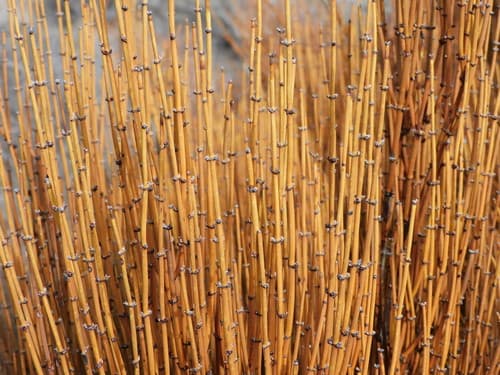
Ephedra is a genus of shrub-like plants characterized by slender, jointed, photosynthetic stems and small, scale-like leaves. It typically grows in arid and semi-arid regions, forming dense, broom-like bushes.