Desert Henbane
NameDesert Henbane
Scientific NameHyoscyamus muticus
Common NamesDesert Henbane, Egyptian Henbane, Egyptian Black Henbane, Bange
Plant FamilySolanaceae
Natural HabitatNative to arid and semi-arid regions, deserts, wadis, and sandy plains across North Africa, the Middle East, and parts of Asia. It thrives in dry, sunny conditions.
Parts Usedleaf,flower,seed
Medicinal Actionssedative, analgesic
Traditional UsesTraditionally used as a potent sedative and pain reliever, particularly for nervous conditions, insomnia, asthma, and muscle spasms. Due to its high toxicity, it was used with extreme caution and often as an anesthetic or for eye dilation.
Active Constituentshyoscyamine, scopolamine, atropine
Preparation Methodsdecoction, tincture, powder
Contraindications & WarningsHighly toxic and potentially fatal if misused. Contraindicated in glaucoma, prostate enlargement, heart conditions, pregnancy, breastfeeding, and in children. Should only be used under strict medical supervision due to its narrow therapeutic window and interactions with other anticholinergic drugs, sedatives, and alcohol.
Cultivation NotesPrefers full sun and well-drained, sandy or rocky soil. It is drought-tolerant once established and requires warm temperatures. Propagated primarily by seed.
Raritycommon
Description
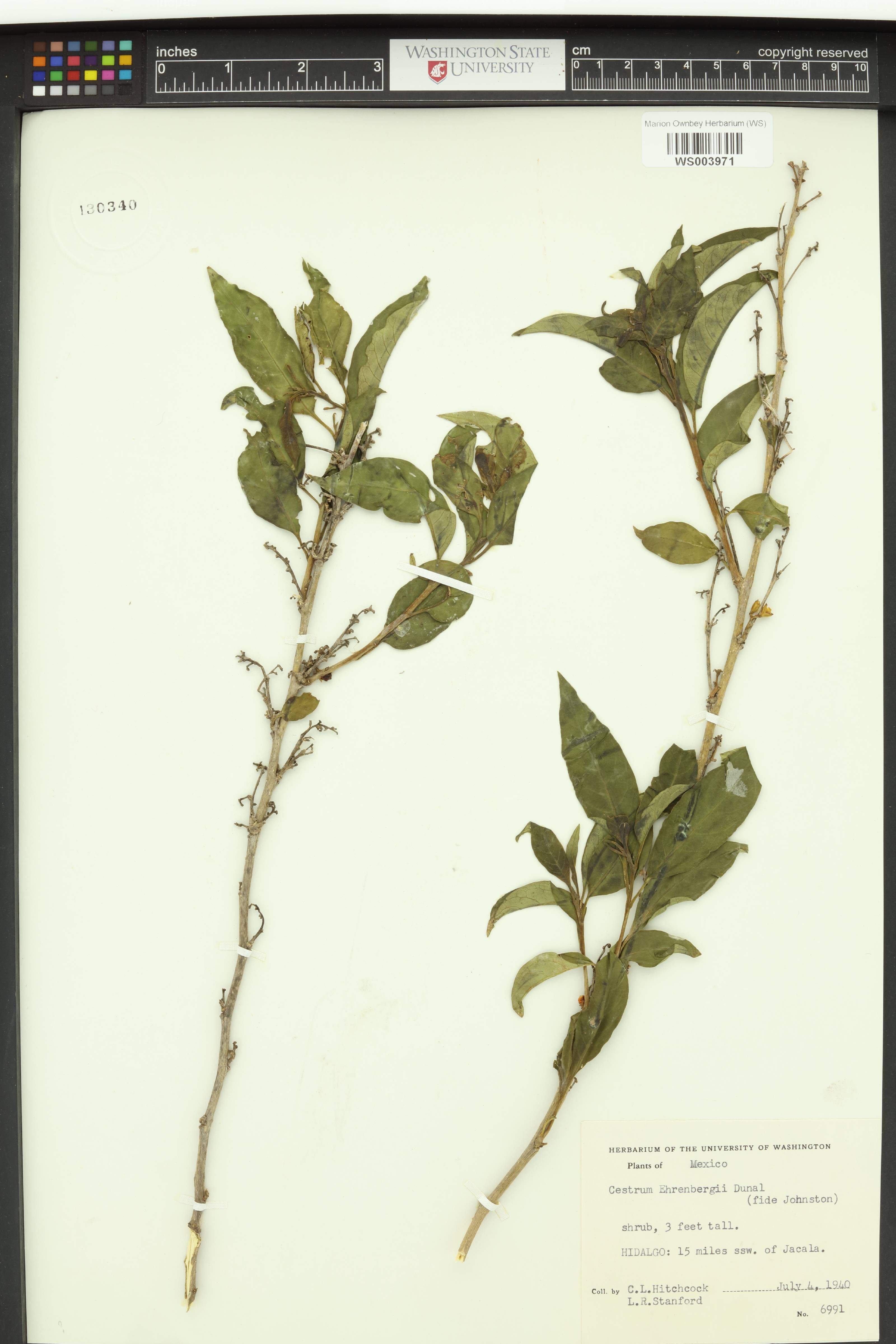
A robust perennial herb growing up to 1 meter tall, characterized by thick, ovate to oblong, somewhat fleshy leaves. It produces pale yellow to greenish-yellow flowers arranged in dense, one-sided cymes that uncoil as they mature.