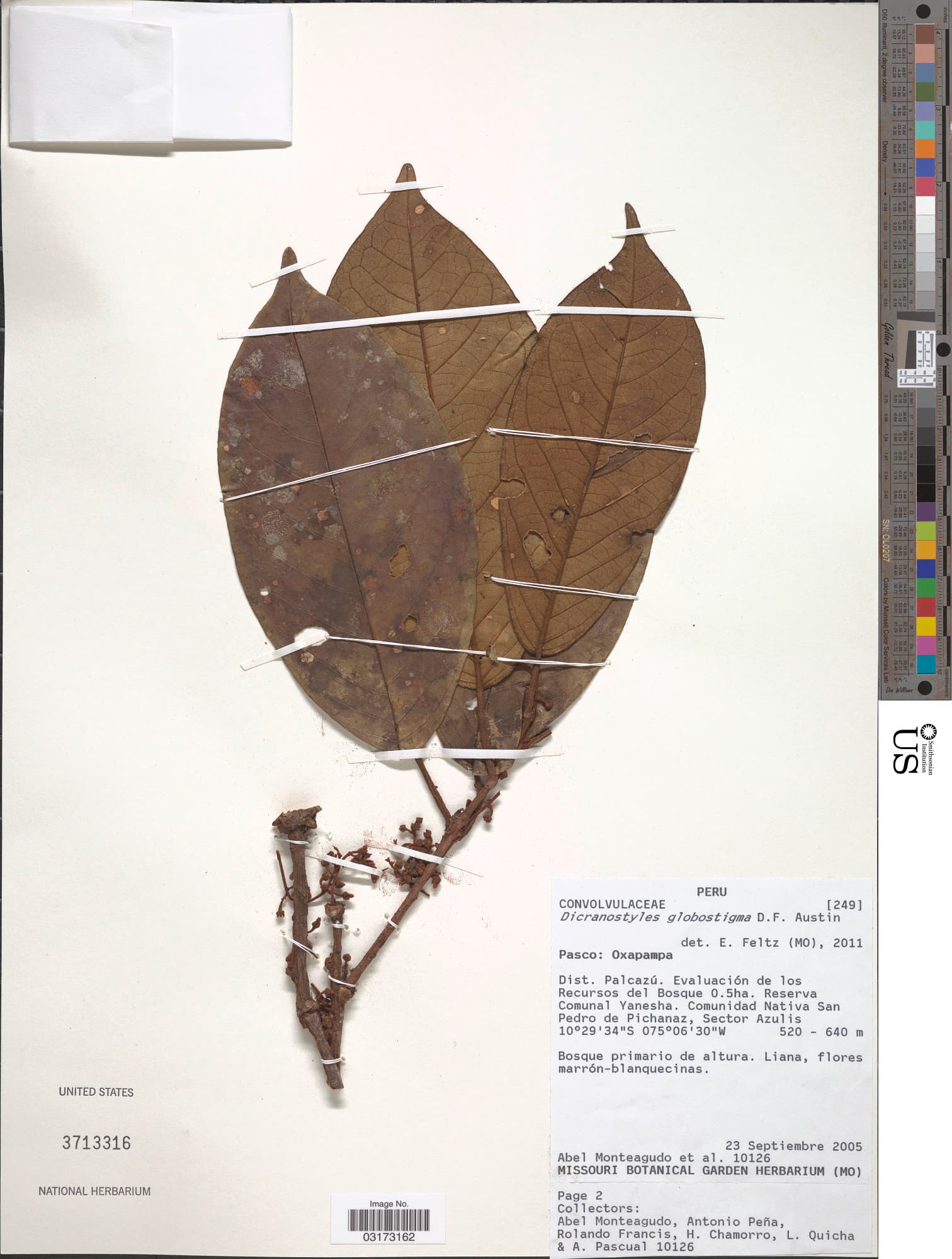
Dunalia spinosa
NameDunalia spinosa
Scientific NameDunalia spinosa
Common NamesChilca, Chilca espinosa, Chilca de la puna
Plant FamilySolanaceae
Natural HabitatNative to the high-altitude arid and semi-arid regions of the Andes in South America, found in puna and dry inter-Andean valleys.
Parts Usedleaf,flower,root
Medicinal Actionsanti-inflammatory, analgesic, diuretic, antimicrobial
Traditional UsesTraditionally used in Andean folk medicine to alleviate rheumatic pain, reduce inflammation, and treat kidney ailments. It has also been applied topically for skin conditions and as a general tonic.
Active ConstituentsFlavonoids, Alkaloids, Saponins, Tannins
Preparation Methodsinfusion, decoction, poultice
Contraindications & WarningsDue to the presence of alkaloids and its family (Solanaceae), caution is advised. Not recommended for pregnant or lactating women, and individuals with pre-existing kidney conditions should consult a healthcare professional. Potential interactions with medications are possible.
Cultivation NotesThrives in full sun and well-drained, rocky or sandy soils. It is drought-tolerant and can withstand cold temperatures typical of high-altitude environments.
Rarityuncommon
Description
A spiny, woody shrub characterized by small, often obovate green leaves and striking tubular, pendulous purple flowers. Its branches are typically armed with sharp thorns, adapting it to harsh environments.