Dittany of Crete
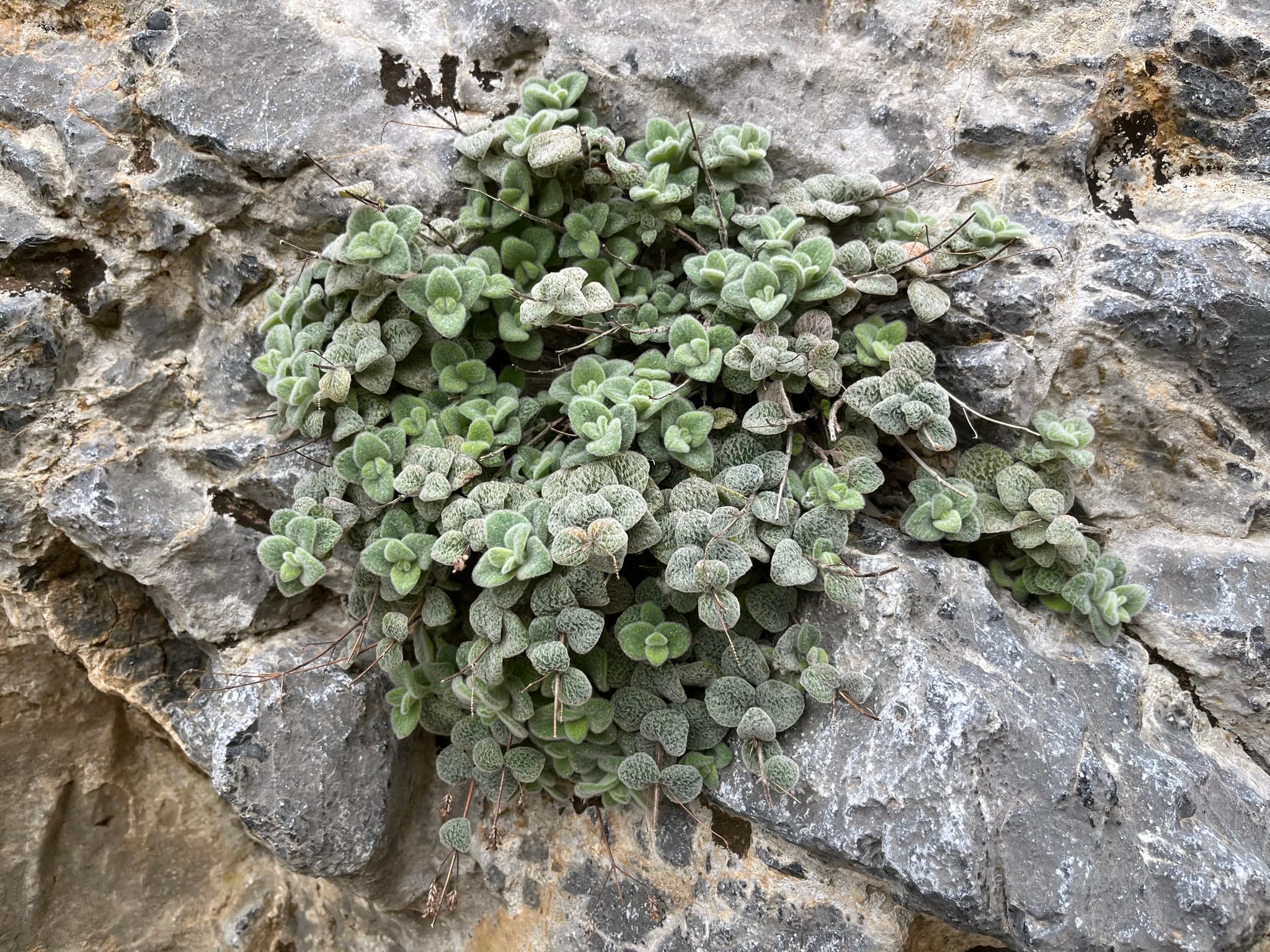
Image: Martin Pražák (cc-by-nc)
NameDittany of Crete
Scientific NameOriganum dictamnus
Common NamesDittany of Crete, Cretan Dittany, Hop Marjoram, Erontas
Plant FamilyLamiaceae
Natural HabitatEndemic to the island of Crete, Greece, where it grows exclusively in rocky crevices, cliffs, and gorges, often at high altitudes. It thrives in dry, exposed, and well-drained limestone environments.
Parts Usedleaf,flower,whole_plant
Medicinal Actionsantimicrobial, anti-inflammatory, antioxidant, carminative, expectorant, diuretic
Traditional UsesTraditionally used as a medicinal tea for digestive complaints, colds, coughs, sore throats, and menstrual disorders. It has also been applied externally for wound healing and as an antiseptic. In Crete, it's revered for its purported aphrodisiac properties and as a general tonic.
Active ConstituentsCarvacrol, Thymol, p-Cymene, gamma-Terpinene, Linalool
Preparation Methodsinfusion, essential oil, tincture
Contraindications & WarningsGenerally considered safe in culinary amounts. Pregnant and breastfeeding women should use with caution or avoid due to potential emmenagogue effects. High doses of essential oil should be avoided.
Cultivation NotesRequires well-drained, rocky or sandy soil and full sun exposure. It is drought-tolerant and prefers warm, dry climates. Can be propagated by seed or cuttings and is suitable for rock gardens or containers.
Rarityuncommon
Description
Origanum dictamnus is a small, perennial subshrub characterized by its velvety, rounded to oval, grey-green leaves and delicate pinkish-purple flowers arranged in drooping bracts. It typically grows in a trailing or mounding habit, often clinging to rocky surfaces. The entire plant is covered in a dense layer of white hairs, giving it a soft, fuzzy appearance.