Dew Honeythorn
NameDew Honeythorn
Scientific NameLycium pallidum
Common NamesDew Honeythorn, Pale Wolfberry, Desert Thorn
Plant FamilySolanaceae
Natural HabitatNative to arid and semi-arid regions of North America, commonly found in deserts, scrublands, and dry washes. It thrives in sandy or rocky soils and is highly drought-tolerant.
Parts Usedfruit,leaf,flower,root
Medicinal Actionsadaptogen, antioxidant, anti-inflammatory
Traditional UsesTraditionally, various species of Lycium (wolfberry) have been used to support general vitality, enhance vision, and as a tonic for liver and kidney health. The berries are often consumed for their nutritional value and to boost immunity, while leaves and roots may be used for their anti-inflammatory properties.
Active ConstituentsPolysaccharides, Carotenoids, Flavonoids, Betaine
Preparation Methodsinfusion, decoction, powder, tincture
Contraindications & WarningsMay interact with anticoagulant medications (e.g., warfarin) due to potential blood-thinning effects. Not recommended for pregnant or breastfeeding women without professional medical advice.
Cultivation NotesPrefers full sun exposure and well-drained soil. Once established, it is highly drought-tolerant and requires minimal watering. Can be propagated from seeds or cuttings.
Raritycommon
Description
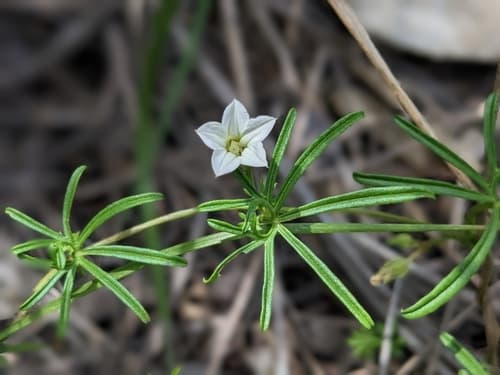
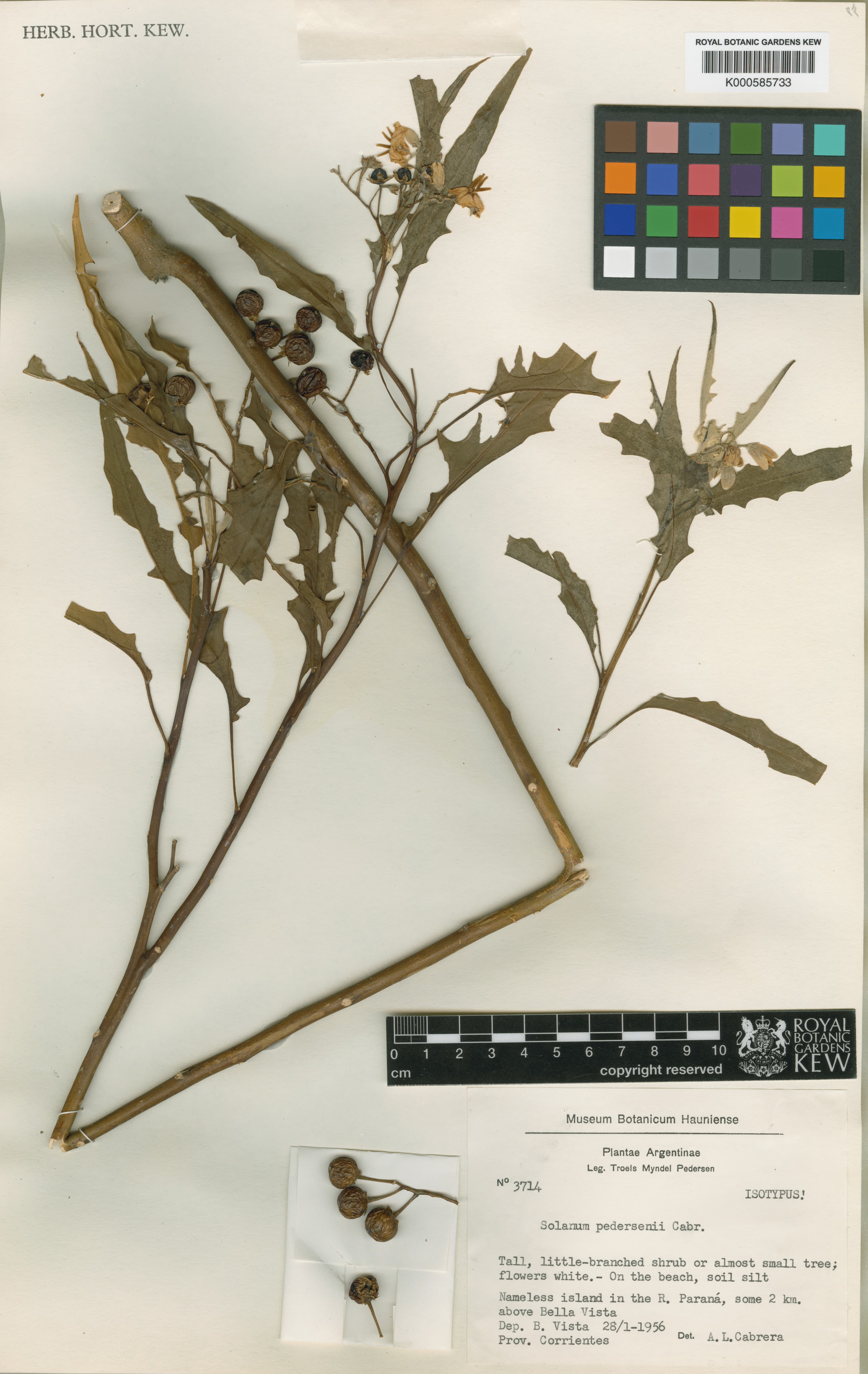
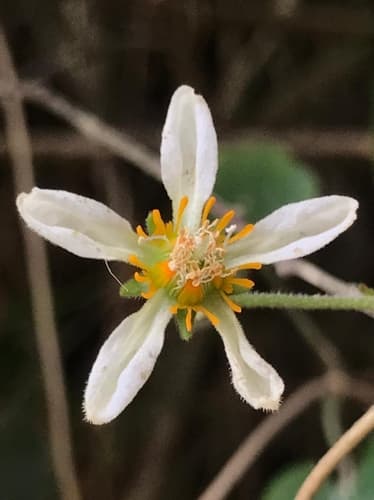
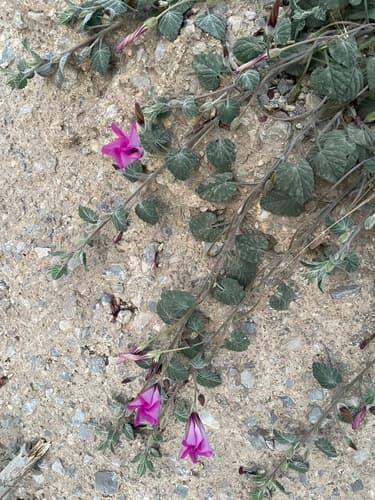
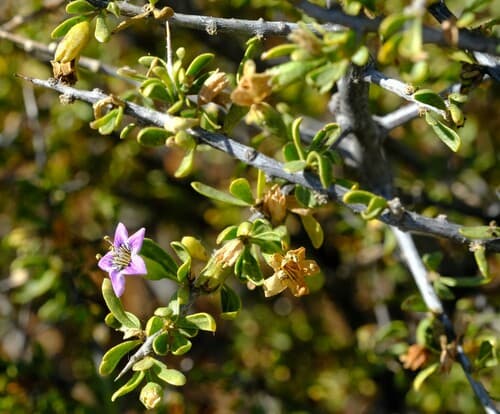
A thorny, deciduous shrub characterized by its small, oval to spatulate green leaves and rigid, often spiny branches. It produces delicate, star-shaped flowers that range from pale purple to lavender, typically followed by small orange or red berries.