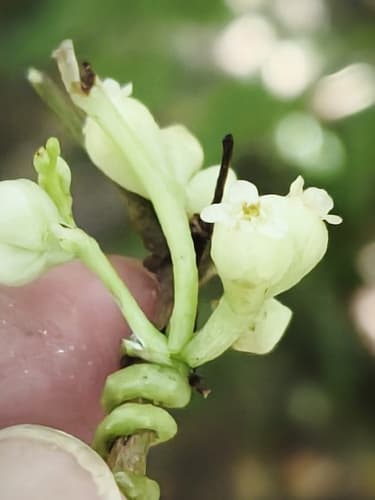
Cuscuta tinctoria
NameCuscuta tinctoria
Scientific NameCuscuta tinctoria
Common NamesDye Dodder, Tint Dodder, Dodder
Plant FamilyConvolvulaceae
Natural HabitatFound parasitizing various herbaceous and woody plants in disturbed areas, fields, roadsides, and natural ecosystems, requiring a host for survival.
Parts Usedwhole_plant,seed
Medicinal Actionsantioxidant, anti-inflammatory, diuretic, adaptogen
Traditional UsesTraditionally, *Cuscuta* species, particularly their seeds, have been used in herbal medicine to support kidney and liver function, improve vision, and address issues like impotence and frequent urination. The specific species *C. tinctoria* has also been historically used for its dyeing properties.
Active Constituentsflavonoids, lignans, polysaccharides, coumarins
Preparation Methodsinfusion, decoction, tincture, powder
Contraindications & WarningsNot recommended during pregnancy. Caution is advised for individuals with yin deficiency with heat signs or those taking blood-thinning medications. May cause constipation in some cases.
Cultivation NotesAs an obligate parasitic plant, *Cuscuta tinctoria* cannot be cultivated independently. It requires a suitable host plant to germinate and grow, making it generally considered a weed rather than a cultivated crop.
Raritycommon
Description
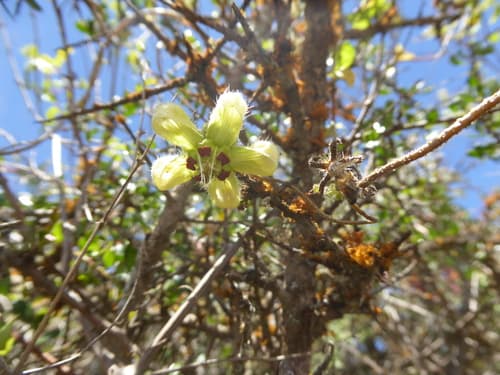
Cuscuta tinctoria is an obligate parasitic plant characterized by its slender, leafless, twining stems that are typically yellowish-green. It produces small, pale, bell-shaped flowers clustered along the stem, as seen in the image, and lacks true roots once established on a host.