Cuscuta obtusata
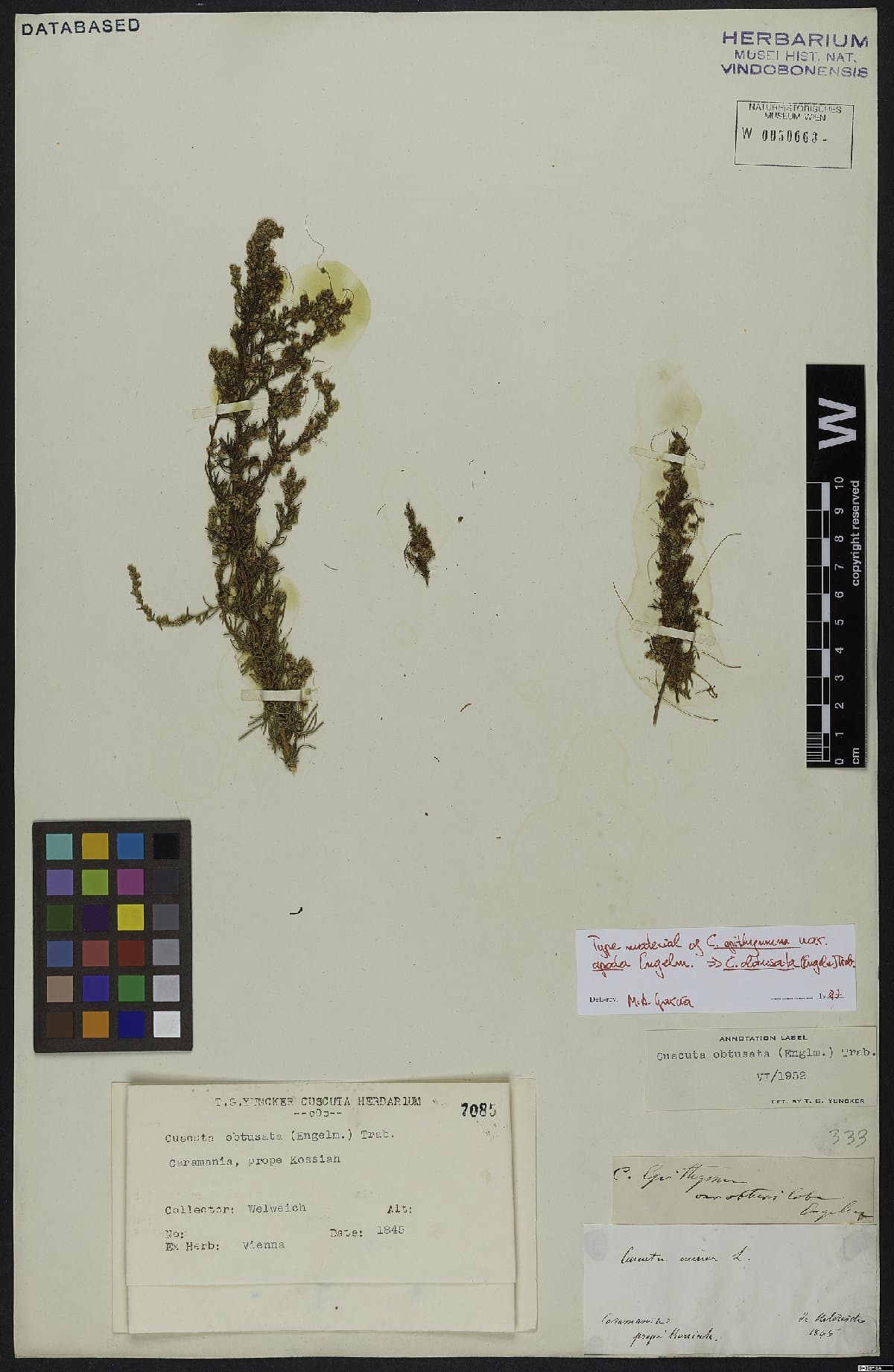
Image: Heldreich,T.H.H. von s.n. [1845] (cc-by)
NameCuscuta obtusata
Scientific NameCuscuta obtusata (Engelm.) Trab.
Common NamesDodder, Blunt-lobed Dodder
Plant FamilyConvolvulaceae
Natural HabitatTypically found in disturbed areas, fields, roadsides, and wetlands, parasitizing a variety of herbaceous plants. Its native range includes parts of the Mediterranean region and Asia.
Parts Usedwhole_plant,seed
Medicinal Actionsadaptogen, anti-inflammatory, antioxidant, diuretic
Traditional UsesTraditionally, species of Cuscuta, particularly their seeds, are used in traditional medicine systems like TCM to tonify kidney yang, benefit essence, and improve vision. They are employed for conditions such as impotence, premature ejaculation, frequent urination, and blurred vision.
Active ConstituentsFlavonoids, Lignans, Polysaccharides
Preparation Methodsinfusion, decoction, powder, tincture
Contraindications & WarningsGenerally contraindicated during pregnancy and for individuals with yin deficiency with heat signs. May interact with certain medications, including blood thinners and hormonal therapies.
Cultivation NotesAs a parasitic plant, Cuscuta obtusata requires a suitable host plant for survival and growth. It is not typically cultivated in conventional garden settings but rather grows opportunistically on its hosts.
Raritycommon
Description
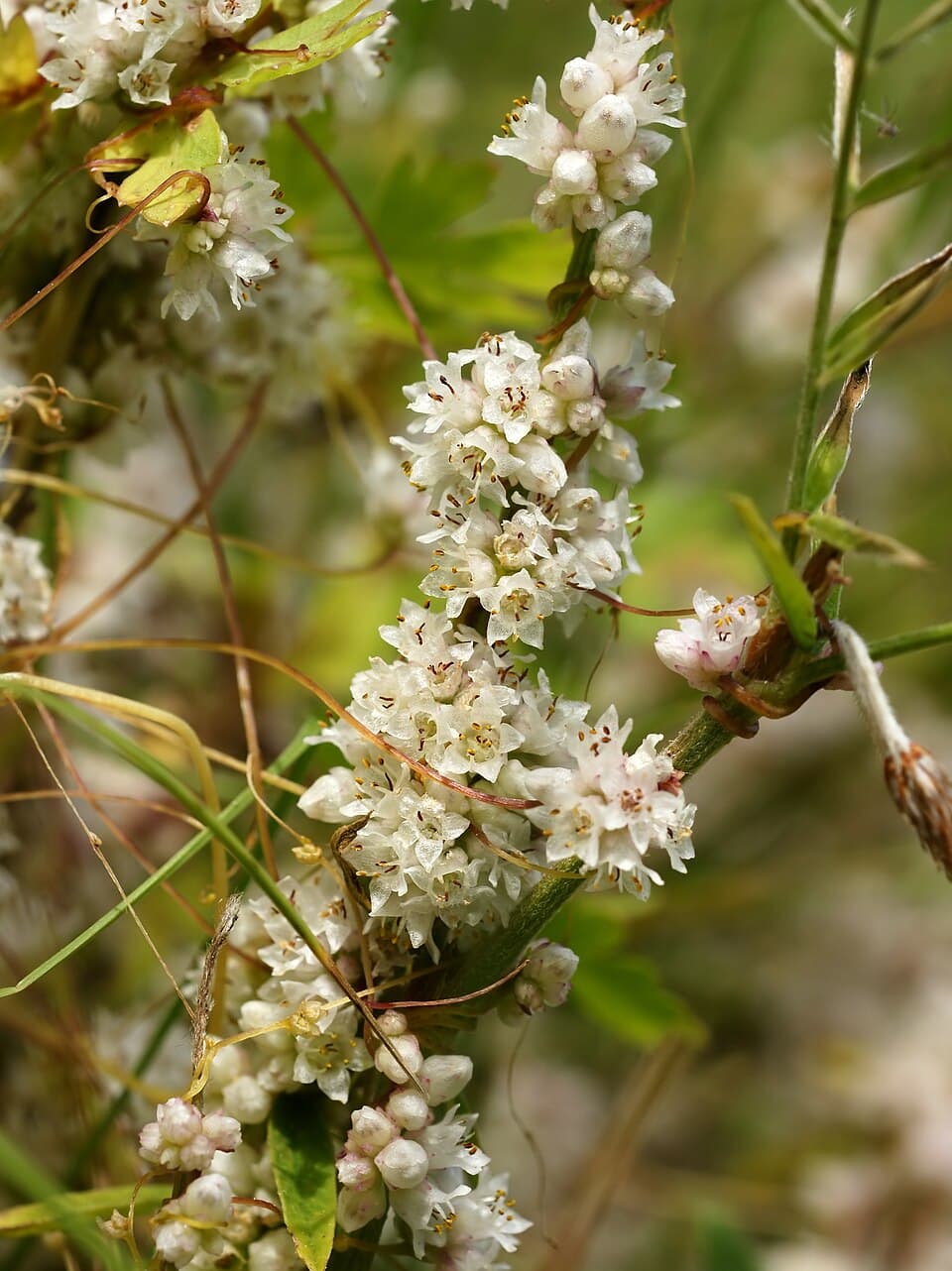
Cuscuta obtusata is a parasitic annual vine characterized by its slender, yellowish to brownish, leafless stems that twine around host plants. It lacks chlorophyll and obtains nutrients by penetrating host tissues with haustoria, appearing as a tangled mass of threads.