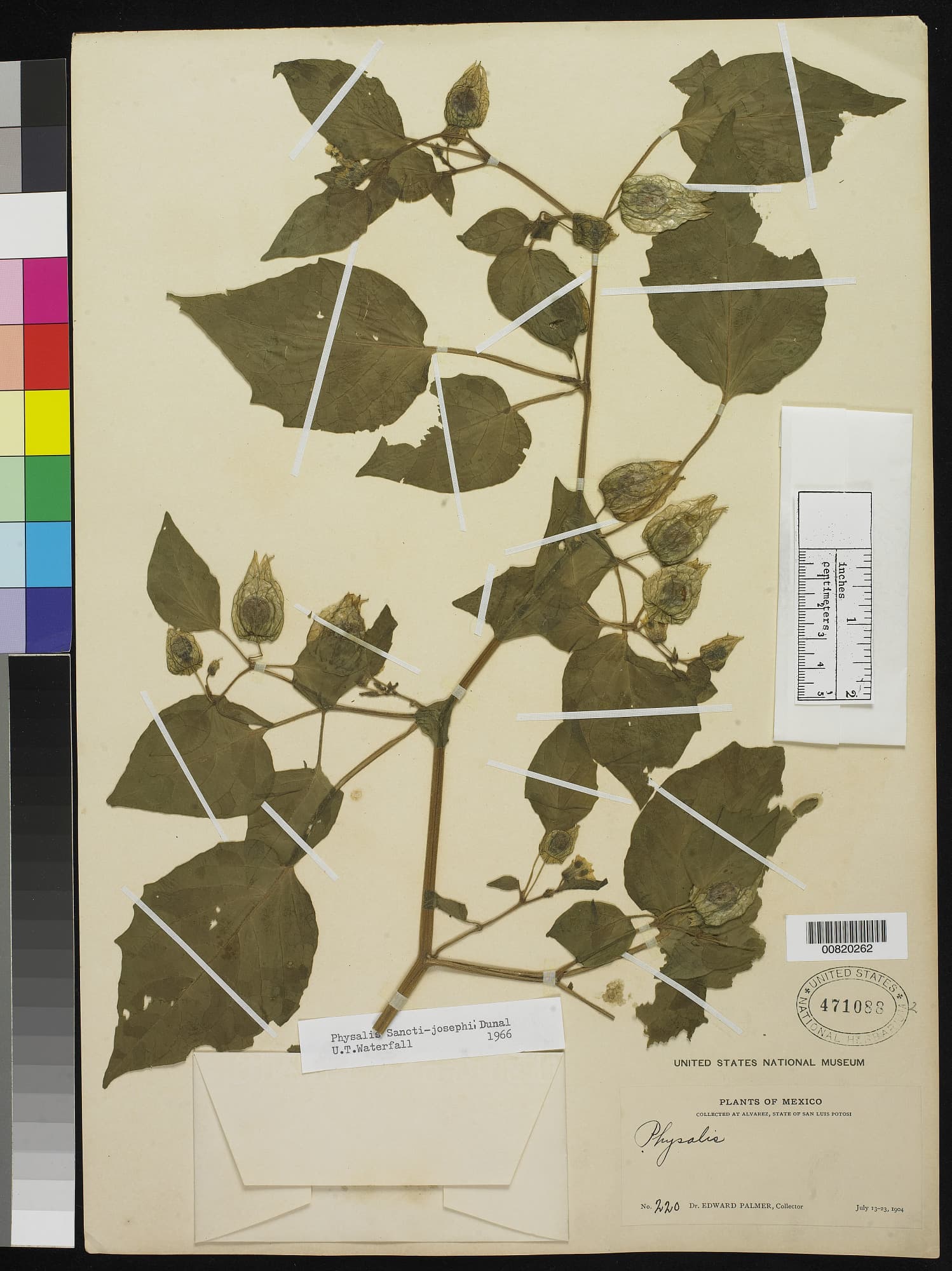
Physalis sancti-josephi
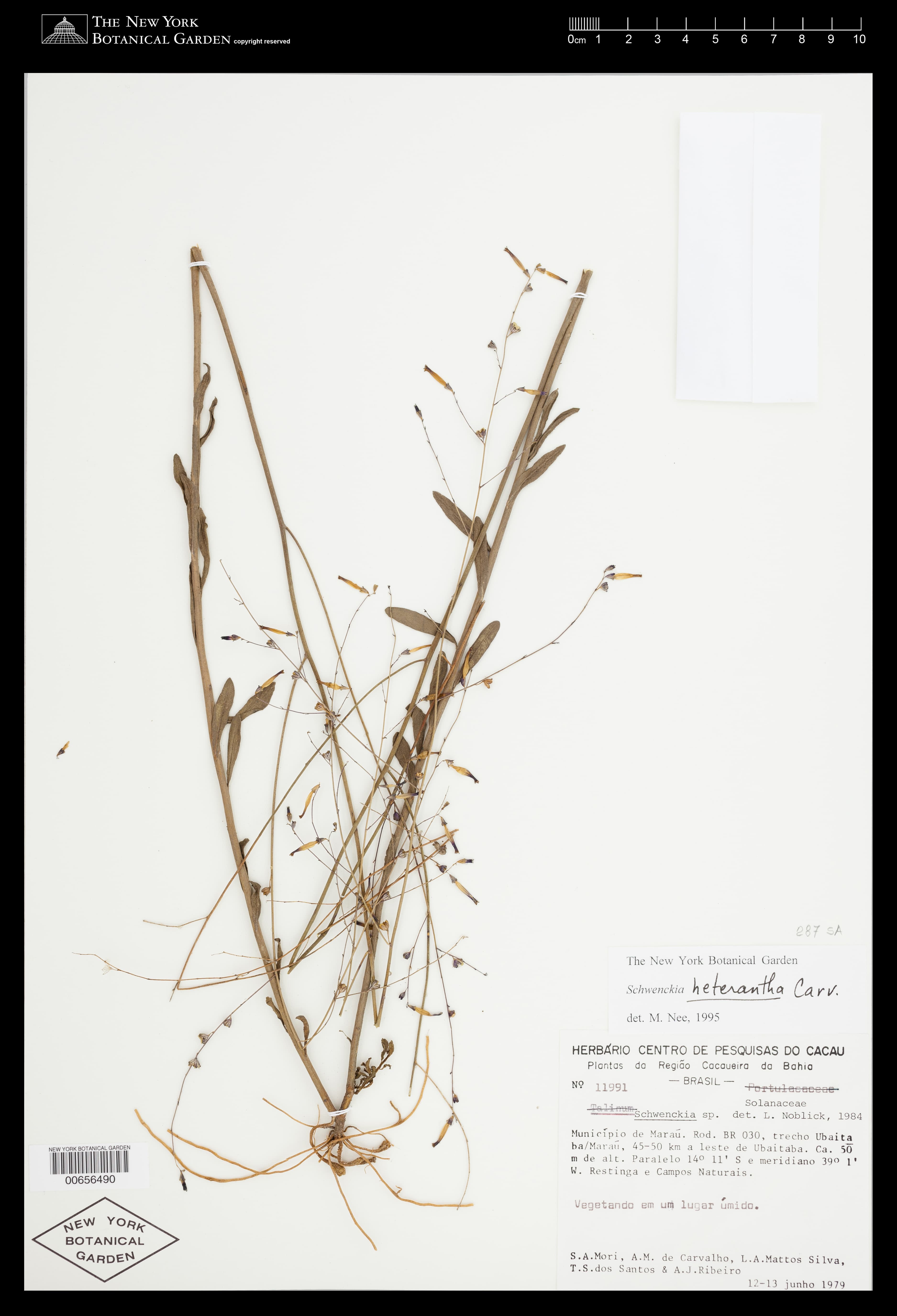
Image: E. Palmer (cc0)
NamePhysalis sancti-josephi
Scientific NamePhysalis sancti-josephi Dunal
Common NamesNone readily available
Plant FamilySolanaceae
Natural HabitatNative to Mexico, specifically collected in the state of San Luis Potosi, suggesting a natural habitat in arid to semi-arid regions or disturbed areas.
Parts Usedleaf,fruit
Medicinal Actionsantioxidant, anti-inflammatory, diuretic
Traditional UsesWhile specific traditional uses for Physalis sancti-josephi are not widely documented, other Physalis species are traditionally used for their diuretic, anti-inflammatory, and antioxidant properties, often consumed for general health, fever, and various minor ailments. The ripe fruits are often eaten.
Active ConstituentsPhysalins, Physalides, Flavonoids, Carotenoids, Vitamin C
Preparation Methodsinfusion, powder
Contraindications & WarningsUnripe fruits of Physalis species may contain solanine-like alkaloids and should not be consumed. Caution is advised for individuals with allergies to the Solanaceae family.
Cultivation NotesPrefers full sun and well-drained soil. Thrives in warm climates and can tolerate some drought once established.
Rarityuncommon
Description
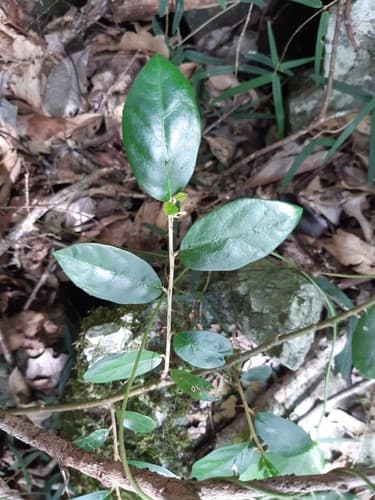
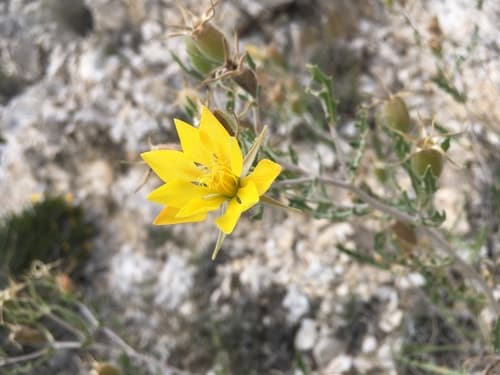
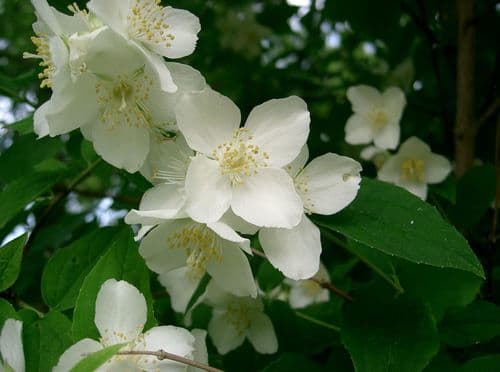
This herbaceous plant features alternate, ovate leaves and distinctive papery, inflated calyces that enclose the developing fruit. The calyces are typically ribbed and persist around the berry-like fruit.