Cuscuta lucidicarpa
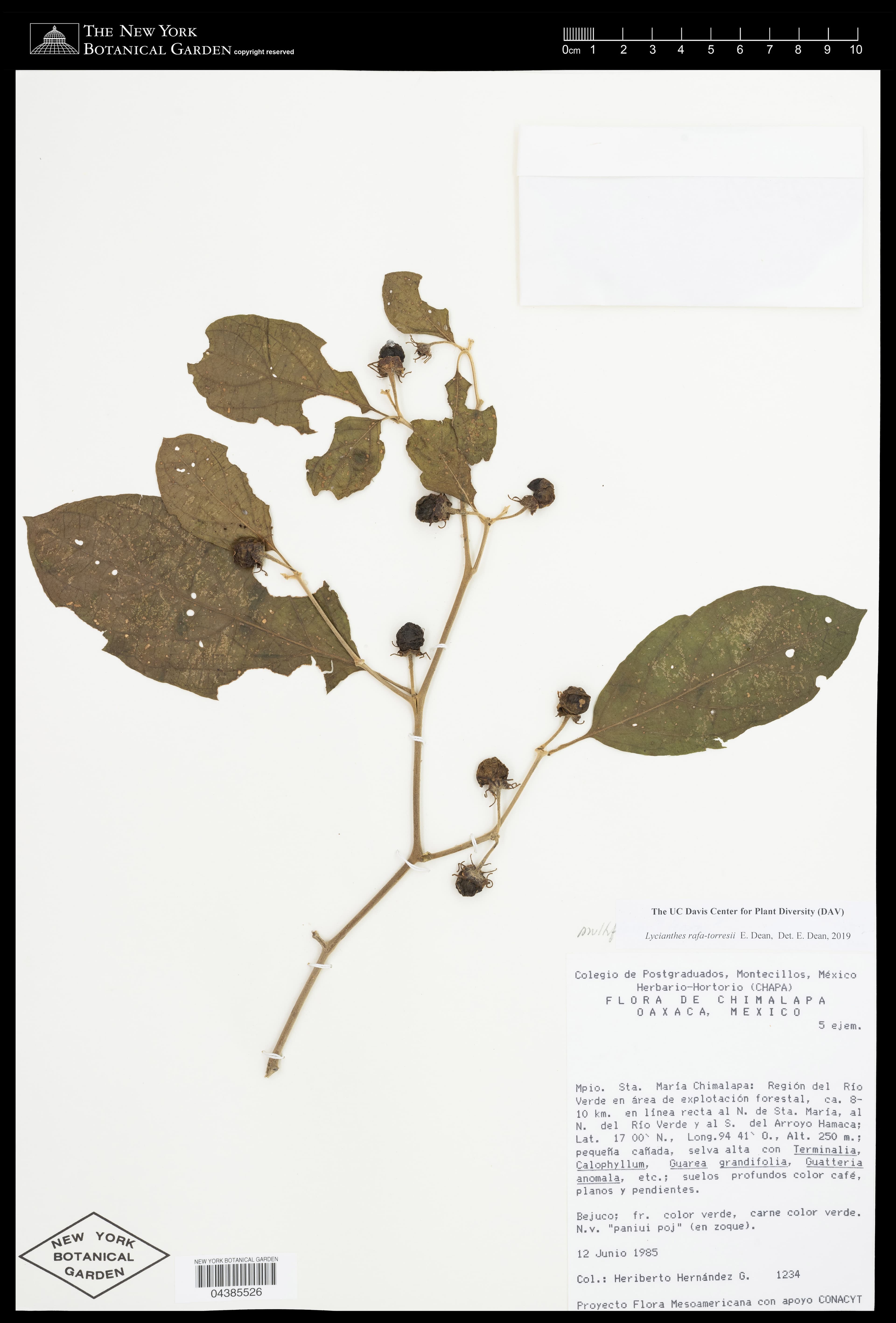
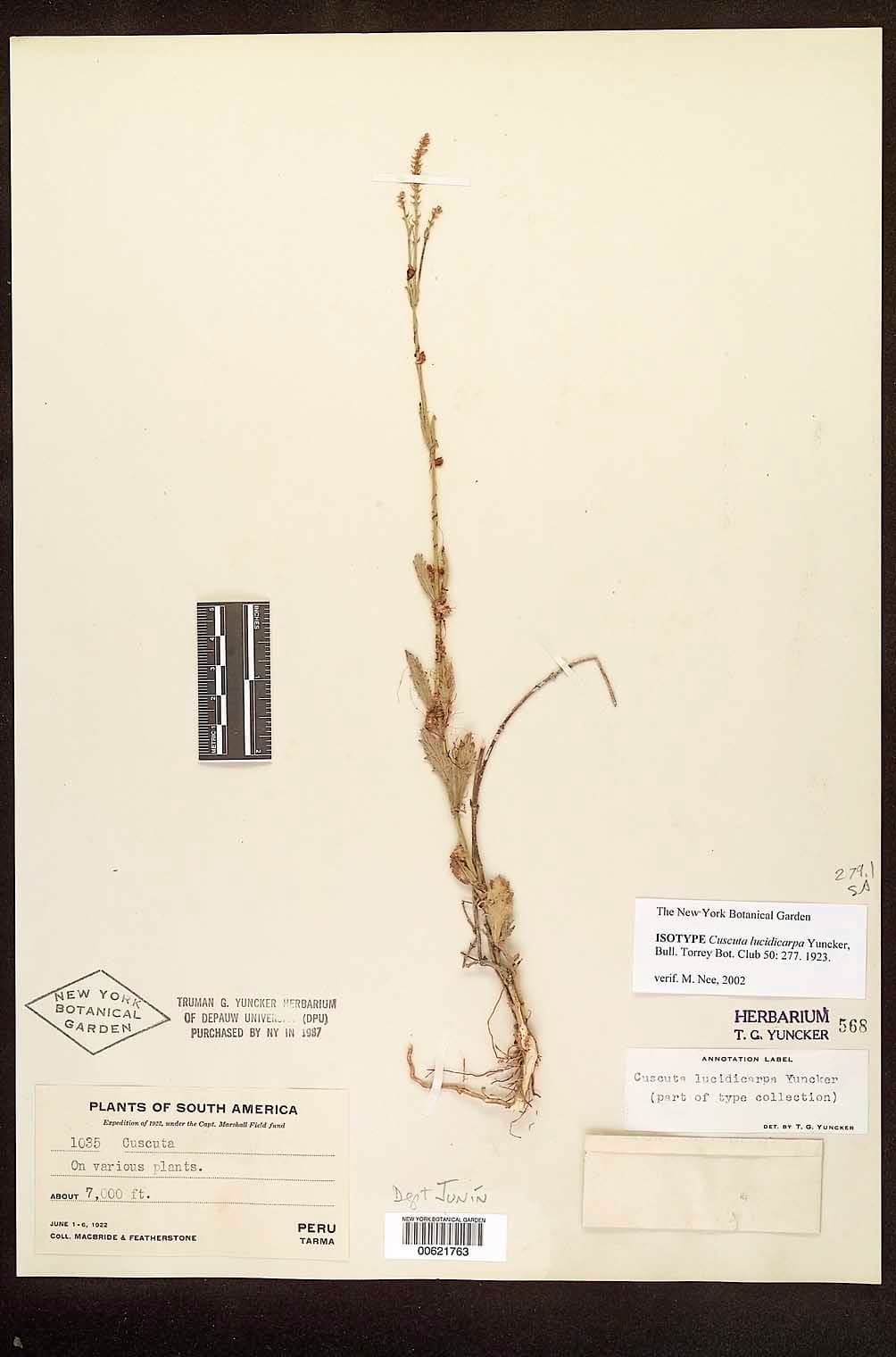
Image: The New York Botanical Garden (cc-by)
NameCuscuta lucidicarpa
Scientific NameCuscuta lucidicarpa
Common NamesDodder
Plant FamilyConvolvulaceae
Natural HabitatThis species is found as a parasite on various host plants in high-altitude regions, specifically noted at approximately 7,000 feet in Tarma, Junín Department, Peru.
Parts Usedwhole_plant,seed
Medicinal Actionsadaptogen, antioxidant, diuretic, anti-inflammatory
Traditional UsesWhile specific traditional uses for *Cuscuta lucidicarpa* are not widely documented, other *Cuscuta* species (e.g., *C. chinensis*, *C. japonica*) are traditionally used in herbal medicine, particularly in Traditional Chinese Medicine. They are often employed as a kidney and liver tonic, to support male reproductive health (e.g., impotence, seminal emission), alleviate lower back pain, and improve vision.
Active Constituentsflavonoids, lignans, polysaccharides, coumarins
Preparation Methodsinfusion, decoction, powder, tincture
Contraindications & WarningsGeneral contraindications for *Cuscuta* species include cases of excess heat, strong urination, or constipation. It is not recommended during pregnancy or for individuals with estrogen-sensitive conditions without professional medical advice. Potential interactions with blood-thinning medications or those affecting blood pressure/glucose should be considered.
Cultivation NotesAs an obligate parasitic plant, *Cuscuta lucidicarpa* cannot be cultivated independently. It requires a suitable host plant to grow and thrive, making intentional cultivation for medicinal harvest extremely challenging and generally impractical.
Rarityuncommon
Description
Cuscuta lucidicarpa is an obligate parasitic plant characterized by its slender, thread-like, leafless stems that twine around host plants. It lacks chlorophyll and obtains all nutrients via haustoria that penetrate the host tissue. The specimen shows dried stems with small, clustered reproductive structures.