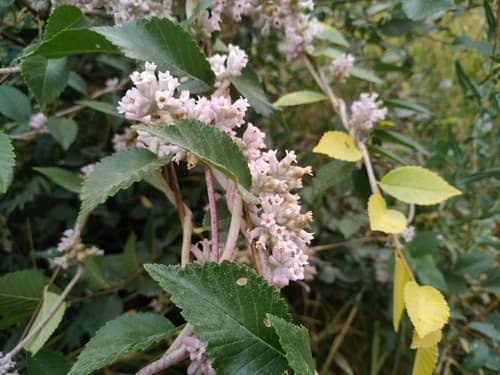
Cuscuta lehmanniana
NameCuscuta lehmanniana
Scientific NameCuscuta lehmanniana
Common NamesDodder, Lehmann's Dodder
Plant FamilyConvolvulaceae
Natural HabitatAs a parasitic plant, it grows on various host plants in disturbed areas, fields, roadsides, and open woodlands. It is native to parts of Asia.
Parts Usedwhole_plant,seed
Medicinal Actionsadaptogen, anti-inflammatory, antimicrobial, antioxidant, diuretic
Traditional UsesIn Traditional Chinese Medicine (TCM), the seeds of Cuscuta species (Tu Si Zi) are widely used as a kidney and liver tonic. They are traditionally employed to treat conditions such as impotence, premature ejaculation, frequent urination, lower back pain, blurred vision, and diarrhea, as well as to strengthen bones and tendons.
Active ConstituentsFlavonoids, Lignans, Polysaccharides, Saponins, Alkaloids
Preparation Methodsinfusion, decoction, tincture, powder
Contraindications & WarningsCaution is advised during pregnancy and lactation. Individuals with yin deficiency with heat signs should use with care. May potentially interact with certain medications due to its hormonal or diuretic effects.
Cultivation NotesCuscuta species are obligate parasites and require a suitable host plant for germination and growth, making intentional cultivation challenging. They are often considered agricultural weeds. Propagation is primarily by seed.
Raritycommon
Description
Cuscuta lehmanniana is a parasitic annual vine characterized by its slender, thread-like, yellowish-pinkish stems that twine around host plants. It produces clusters of small, pale pinkish-white, bell-shaped flowers. As a parasitic plant, it lacks significant leaves, which are reduced to tiny scales.