Cuscuta kilimanjari
NameCuscuta kilimanjari
Scientific NameCuscuta kilimanjari
Common NamesDodder, Kilimanjaro Dodder, Strangleweed
Plant FamilyConvolvulaceae
Natural HabitatNative to East Africa, particularly found in montane and submontane regions around Mount Kilimanjaro, where it parasitizes various herbaceous plants and shrubs.
Parts Usedwhole_plant,seed
Medicinal Actionsadaptogen, anti-inflammatory, antioxidant, diuretic
Traditional UsesTraditionally, species of Cuscuta are used in various herbal medicine systems for their tonic properties, particularly for kidney and liver support. They are also employed to improve vision, strengthen bones, and address issues related to reproductive health and general debility. Some traditional applications include treating skin conditions and promoting overall vitality.
Active ConstituentsFlavonoids, Lignans, Polysaccharides, Alkaloids
Preparation Methodsinfusion, decoction, tincture, powder
Contraindications & WarningsDue to its parasitic nature and potential for strong biological activity, caution is advised. It should be avoided by pregnant or nursing women, and individuals with specific medical conditions or those on medication should consult a healthcare professional before use. As a parasitic plant, it can also be considered an agricultural weed.
Cultivation NotesCuscuta kilimanjari, like other dodder species, is an obligate parasite and cannot be cultivated independently. It requires a suitable host plant to germinate, attach, and draw nutrients for survival and growth, making intentional cultivation for medicinal purposes challenging.
Rarityuncommon
Description
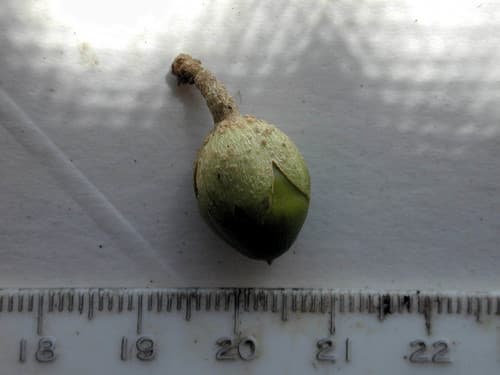
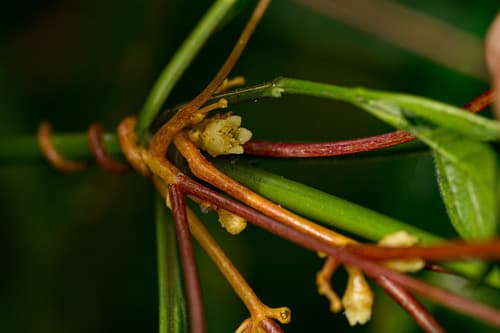
Cuscuta kilimanjari is a parasitic vine characterized by its slender, leafless, yellowish-orange to reddish stems that tightly twine around host plants. It lacks chlorophyll and obtains all its nutrients via haustoria that penetrate the host's vascular system. Small, pale yellow to whitish, bell-shaped flowers are produced in clusters along the twining stems.