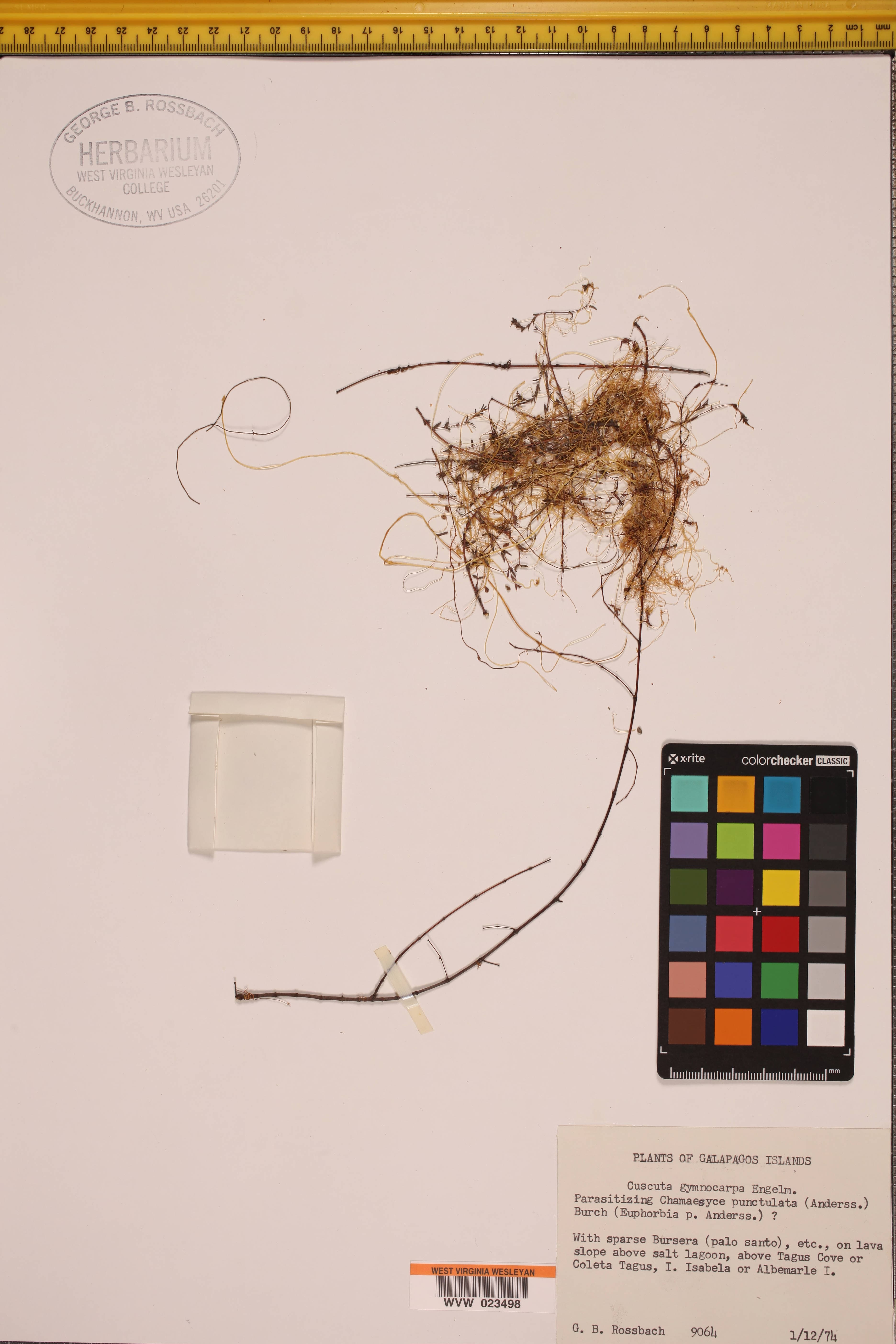
Cuscuta gymnocarpa
Image: George B. Rossbach (cc0)
NameCuscuta gymnocarpa
Scientific NameCuscuta gymnocarpa Engelm.
Common NamesGalapagos Dodder, Dodder
Plant FamilyConvolvulaceae
Natural HabitatThis species is endemic to the Galapagos Islands, found parasitizing host plants like Bursera (palo santo) and Chamaesyce punctulata. It grows on lava slopes, often above salt lagoons, in specific locations such as Tagus Cove or Coleta Tagus on Isabela or Albemarle Island.
Parts Usedwhole_plant,seed
Medicinal Actionsantioxidant, anti-inflammatory, adaptogen
Traditional UsesWhile specific traditional uses for *Cuscuta gymnocarpa* are not widely documented, other *Cuscuta* species (like *C. chinensis*) are extensively used in traditional medicine. They are traditionally employed to tonify the kidney and liver, address issues like impotence, premature ejaculation, frequent urination, blurred vision, and to support overall vitality and reproductive health.
Active Constituentsflavonoids, lignans, polysaccharides, coumarins
Preparation Methodsinfusion, decoction, powder
Contraindications & WarningsGenerally considered safe in traditional use, but specific contraindications for *Cuscuta gymnocarpa* are not well-researched. As with any herbal remedy, caution is advised during pregnancy and lactation, and for individuals with pre-existing medical conditions or those taking prescription medications.
Cultivation NotesAs an obligate parasitic plant, *Cuscuta gymnocarpa* cannot be cultivated independently. It requires a suitable host plant for survival and growth, making its cultivation outside its natural habitat extremely challenging and generally impractical.
Rarityrare
Description
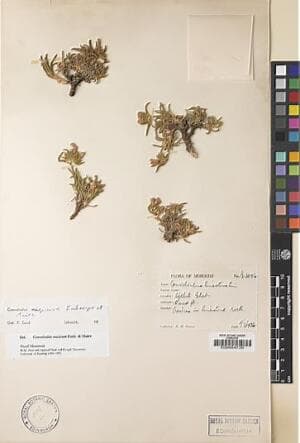
Cuscuta gymnocarpa is a parasitic vine characterized by its thin, thread-like, yellowish-brown stems that lack true leaves and chlorophyll. It twines around host plants, extracting nutrients via haustoria, and typically appears as a tangled mass of stems.