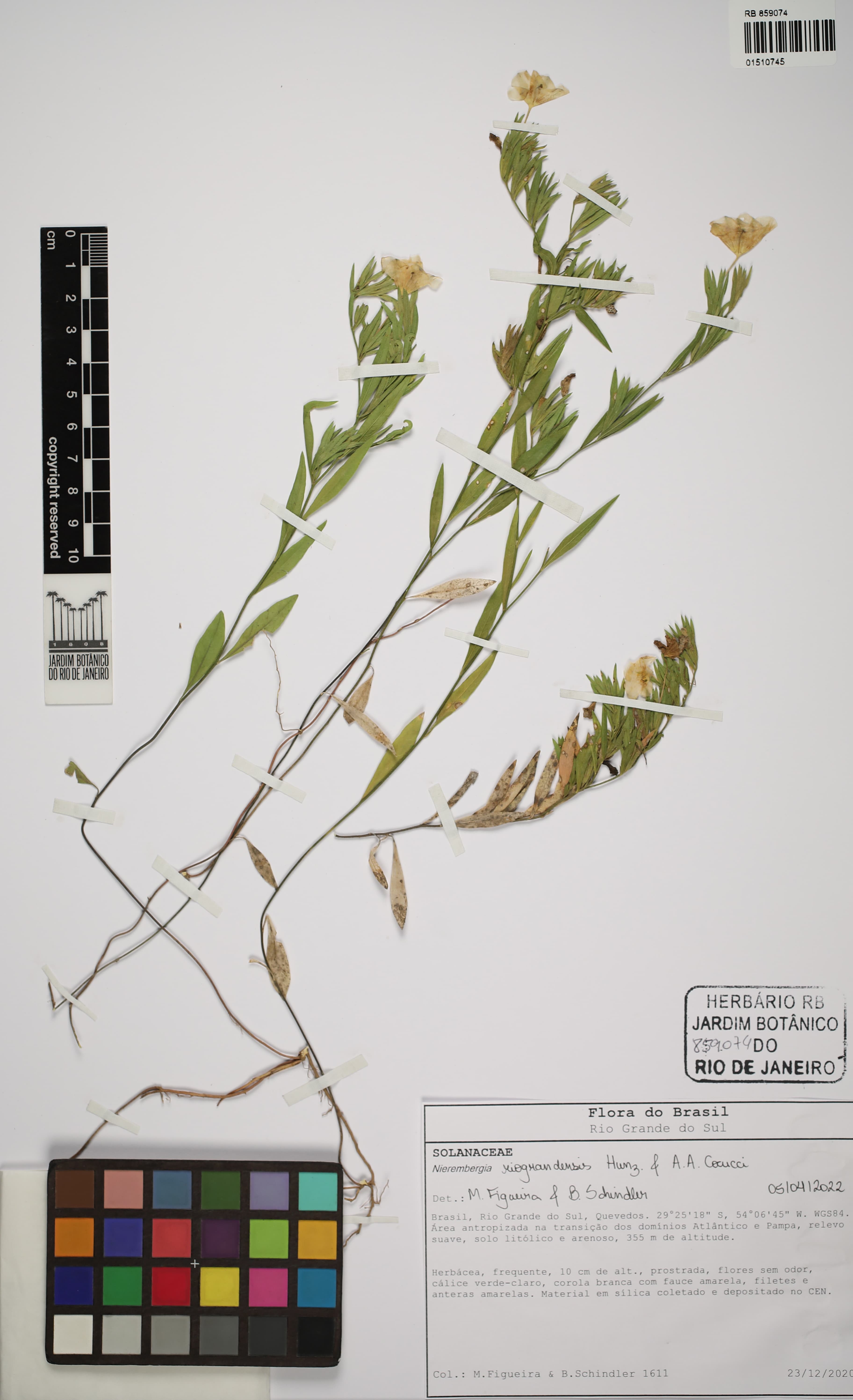
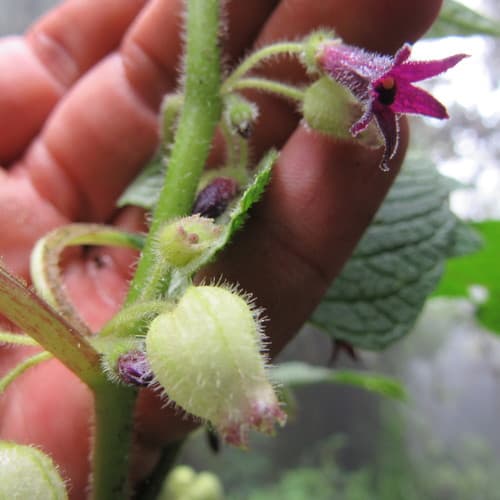
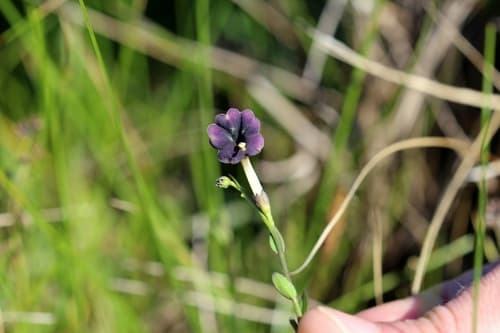
oondoroo
Nameoondoroo
Scientific NameSolanum laciniatum
Common NamesKangaroo Apple, Poroporo, Large Kangaroo Apple, Oondoroo
Plant FamilySolanaceae
Natural HabitatNative to Australia and New Zealand, found in open forests, disturbed areas, and along forest margins, preferring moist, well-drained soils.
Parts Usedfruit,leaf,whole_plant
Medicinal Actionsanti-inflammatory, antioxidant
Traditional UsesTraditionally, the ripe fruits were consumed by Indigenous Australians and Māori. Unripe fruits and leaves were used externally as a poultice for skin conditions, swellings, and joint pain. The plant is also a source of solasodine, a steroidal glycoalkaloid used as a precursor for pharmaceutical steroid synthesis.
Active ConstituentsSolasodine, Solamargine, Solasonine, Vitamins (in ripe fruit)
Preparation Methodsinfusion, poultice, powder
Contraindications & WarningsUnripe fruits and leaves are toxic due to high concentrations of steroidal glycoalkaloids; consumption can cause nausea, vomiting, diarrhea, and neurological symptoms. Only fully ripe fruits are considered safe for consumption. Not recommended for pregnant or breastfeeding women.
Cultivation NotesGrows best in full sun to partial shade with well-drained soil. Tolerant of various soil types but thrives in fertile, moist conditions. Can be propagated from seed or cuttings.
Raritycommon
Description
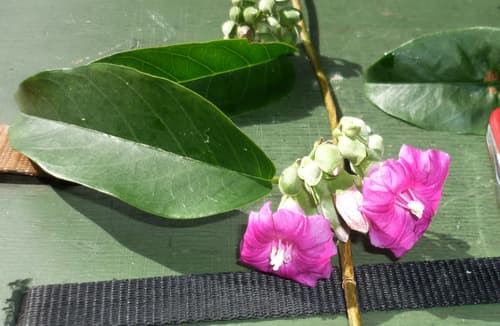
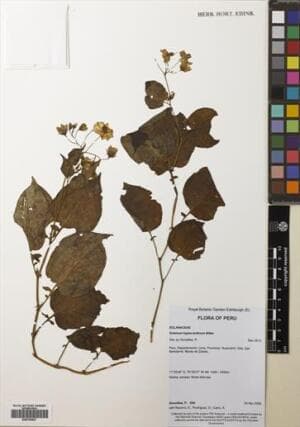
A fast-growing shrub or small tree, typically reaching 1-4 meters in height, featuring variable leaves that can be entire and lanceolate or deeply lobed. It produces vibrant purple, star-shaped flowers with prominent yellow anthers, followed by orange-yellow, egg-shaped fruits when ripe.