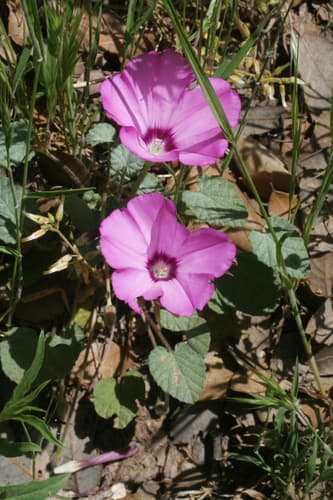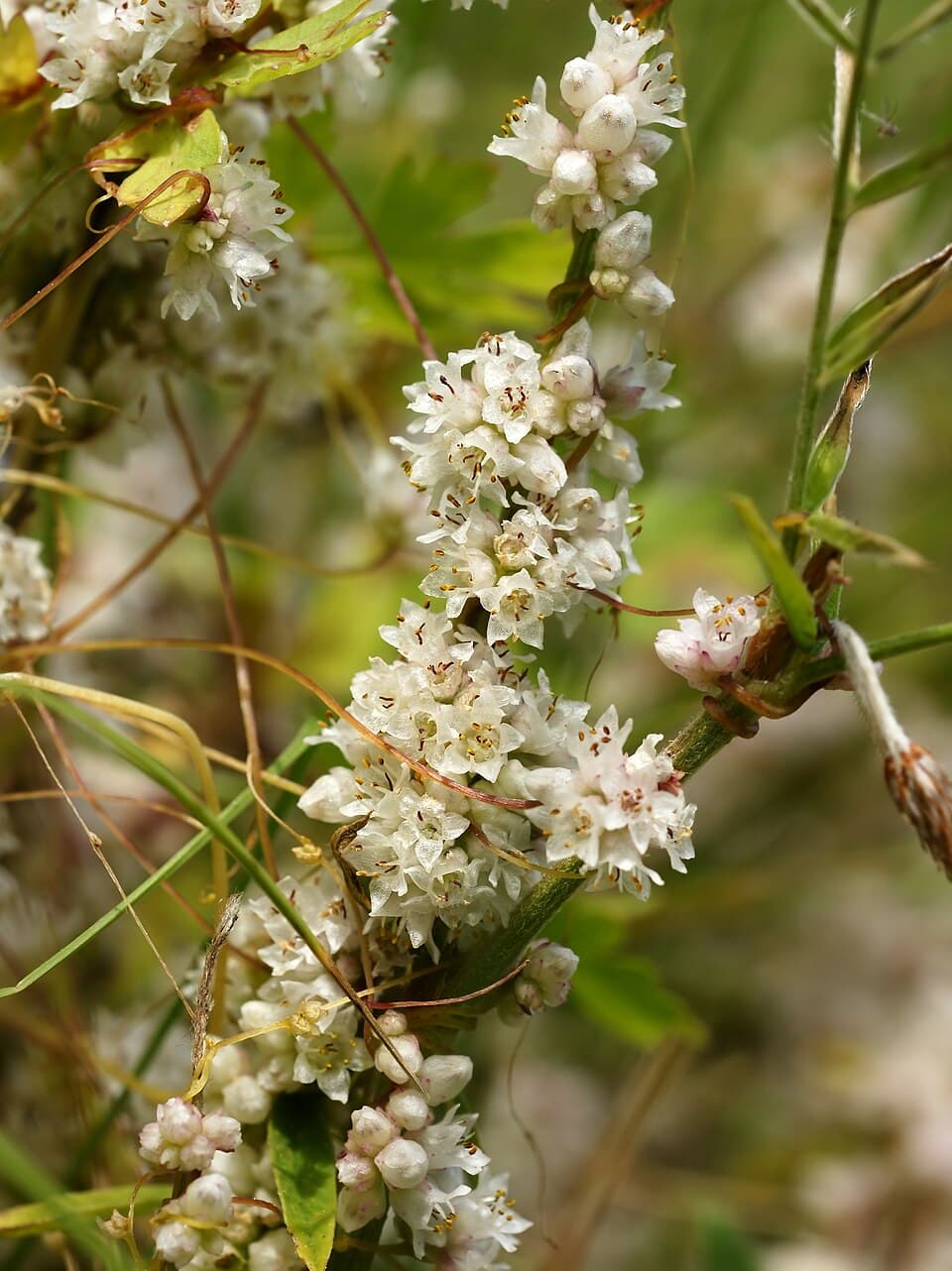
Cuscuta globulosa
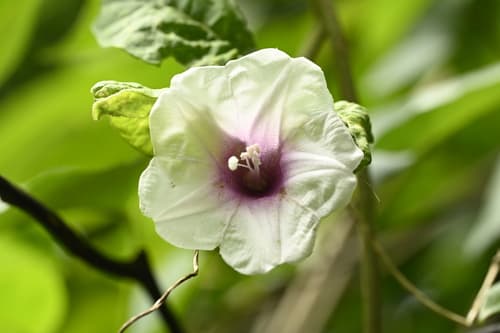
Image: Bécquer,E.R., Bollendorff,S., de Mestier,A., Gutiérrez,J., Gómez-Hechavarría,J.L., Torres,E., Diáz,I., Serguera,M. & Rivera,Y. (cc-by-sa)
NameCuscuta globulosa
Scientific NameCuscuta globulosa Benth.
Plant FamilyConvolvulaceae
Natural HabitatThis species is found in secondary xeromorphic scrub vegetation on soils composed of metamorphosed serpentinites, at altitudes between 200-280 meters. It was collected in the Sierra de Mariana, Guantánamo Province, Cuba, specifically noted as parasitizing a Bignoniaceae host.
Parts Usedwhole_plant,seed
Medicinal Actionsadaptogen, antioxidant, diuretic
Traditional UsesTraditionally, species of Cuscuta are used to support kidney and liver function, enhance male fertility, improve vision, and as a general tonic for debility and fatigue. It is also employed for conditions such as impotence, premature ejaculation, and frequent urination.
Active ConstituentsFlavonoids, Lignans, Polysaccharides, Coumarins
Preparation Methodsinfusion, decoction, powder
Contraindications & WarningsGenerally considered safe in moderate doses, but pregnant women should avoid its use. It may have mild laxative effects and could potentially interact with blood thinners or other medications due to its diuretic properties. Consultation with a healthcare professional is advised before use.
Cultivation NotesAs a parasitic plant, Cuscuta globulosa cannot be cultivated independently. It requires a suitable host plant, specifically noted here as a Bignoniaceae species, to establish and grow. Cultivation is generally challenging outside of its natural parasitic relationship.
Rarityuncommon
Description
Cuscuta globulosa is a parasitic, herbaceous vine characterized by its slender, yellowish-brown, thread-like stems that twine around host plants. It lacks prominent leaves, instead featuring small, scale-like structures and producing clusters of small flowers and fruits along its stems.