Cuscuta bella
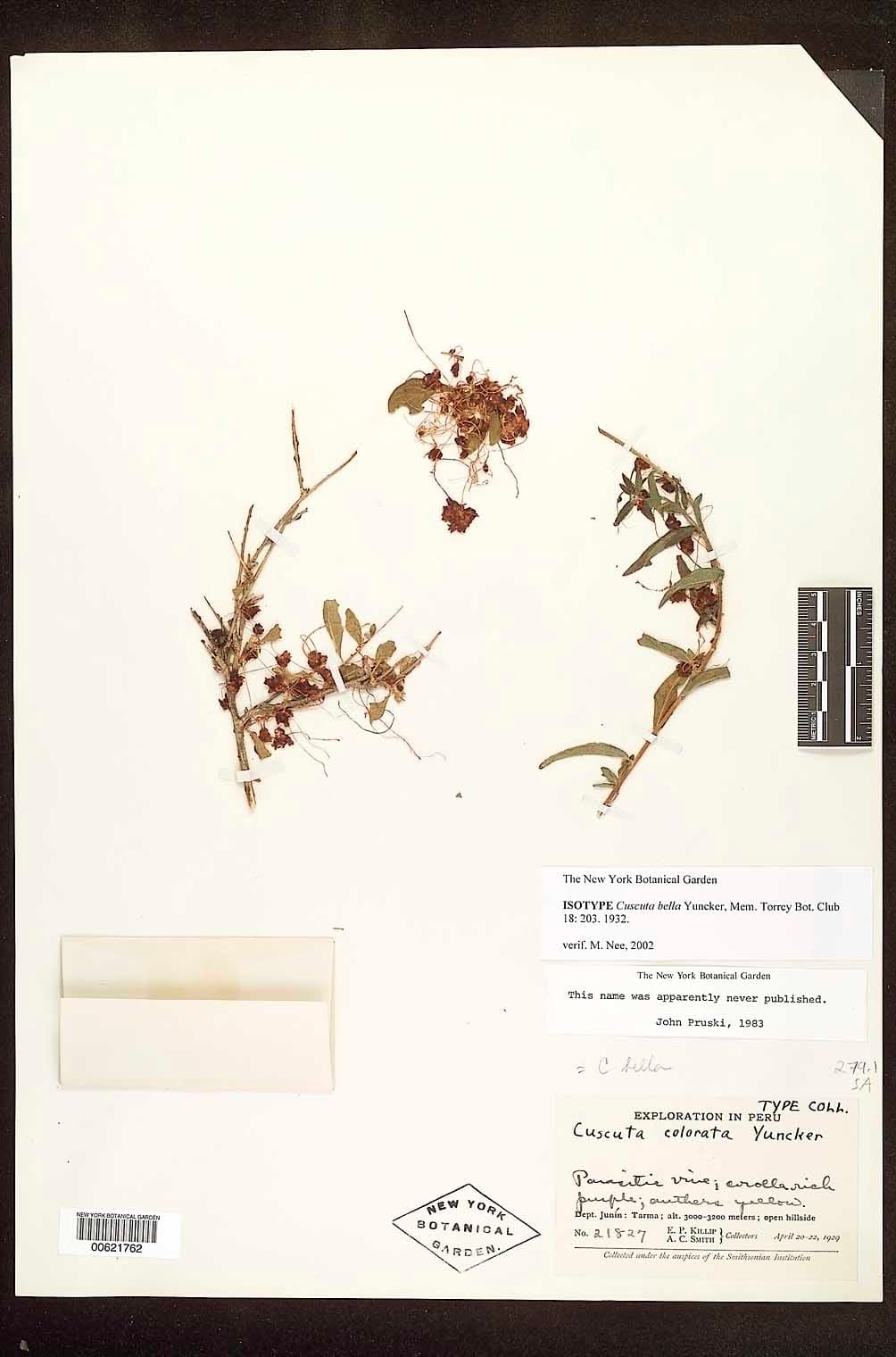
Image: The New York Botanical Garden (cc-by)
NameCuscuta bella
Scientific NameCuscuta bella Yunck.
Common NamesDodder, Love Vine
Plant FamilyConvolvulaceae
Natural HabitatFound in high-altitude, open hillside environments in regions like Junín, Peru, typically at elevations between 3000-3200 meters, where it parasitizes various host plants.
Parts Usedwhole_plant,seed
Medicinal Actionsadaptogen, antioxidant, diuretic, astringent
Traditional UsesTraditionally, species of Cuscuta, particularly their seeds, are used to tonify the kidneys and liver, improve vision, and treat conditions such as impotence, premature ejaculation, frequent urination, and blurred vision. The whole plant may also be used for various tonic and restorative purposes.
Active Constituentsflavonoids, lignans, polysaccharides, saponins
Preparation Methodsinfusion, decoction, tincture, powder
Contraindications & WarningsAvoid during pregnancy and in cases of yin deficiency with heat signs. May interact with blood-thinning medications or hormone therapies due to potential phytoestrogenic effects.
Cultivation NotesAs an obligate parasitic plant, Cuscuta bella cannot be cultivated independently; it requires a suitable host plant for germination and growth. Propagation is primarily by seed, which must establish contact with a host shortly after germination.
Rarityuncommon
Description
Cuscuta bella is a parasitic annual vine characterized by its slender, thread-like, yellowish-orange stems that lack true leaves and roots, attaching to host plants via haustoria. It produces small, clustered flowers, often noted for their rich purple corolla and yellow anthers.