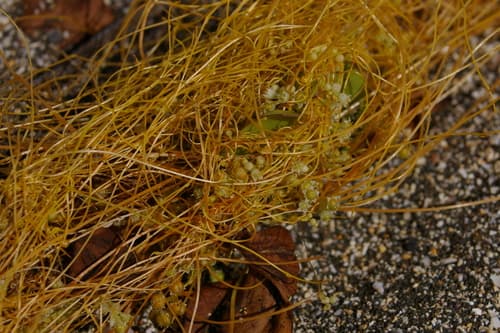
Cuscuta acuta
NameCuscuta acuta
Scientific NameCuscuta acuta
Common NamesDodder, Love Vine, Strangleweed
Plant FamilyConvolvulaceae
Natural HabitatThis parasitic vine grows on a variety of host plants in diverse environments, including fields, disturbed areas, gardens, and natural ecosystems. It is found in temperate and tropical regions where suitable host vegetation is present.
Parts Usedwhole_plant,seed
Medicinal Actionsantioxidant, anti-inflammatory, diuretic
Traditional UsesTraditionally, species of Cuscuta, particularly Cuscuta chinensis (Tu Si Zi), have been used in herbal medicine as a kidney and liver tonic. It is employed to address issues such as impotence, premature ejaculation, frequent urination, blurred vision, and to strengthen bones and improve vision. It's also used for general debility and chronic diarrhea.
Active ConstituentsFlavonoids, Lignans, Polysaccharides, Saponins, Coumarins
Preparation Methodsinfusion, decoction, tincture, powder
Contraindications & WarningsCuscuta is generally contraindicated during pregnancy and lactation. It should be used with caution in individuals with yin deficiency with heat signs or those experiencing constipation. Potential interactions with medications, especially those affecting hormones or fluid balance, should be considered.
Cultivation NotesAs a parasitic plant, Cuscuta acuta cannot be cultivated independently. It germinates and must quickly attach to a suitable host plant to survive, drawing all its nutrients from the host. It is often considered a noxious weed in agricultural settings.
Raritycommon
Description
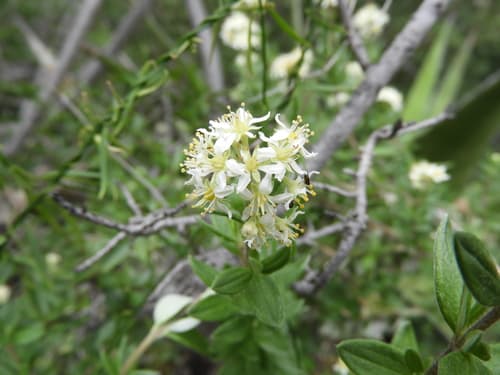
Cuscuta acuta is a parasitic plant characterized by its thin, leafless, yellowish-orange, thread-like stems that twine around host plants. It produces small, pale, clustered flowers along its stems. Lacking chlorophyll, it obtains all its nutrients from its host.