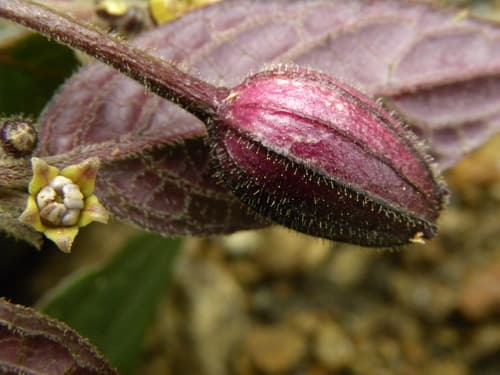
Cramp Bark
Image: alexfamilyteam (cc-by-nc)
NameCramp Bark
Scientific NameViburnum opulus
Common NamesCramp Bark, Guelder Rose, European Cranberrybush, Highbush Cranberry
Plant FamilyAdoxaceae
Natural HabitatNative to Europe, Asia, and North Africa, it thrives in moist, well-drained soils in woodlands, hedgerows, riverbanks, and forest edges. It prefers full sun to partial shade.
Parts Usedbark,fruit
Medicinal Actionsanalgesic, anti-inflammatory, nervine, sedative, astringent
Traditional UsesTraditionally used as a powerful antispasmodic to relieve muscle spasms, particularly menstrual cramps, uterine contractions, and general muscle tension. It is also employed to calm nervous tension and promote relaxation.
Active ConstituentsScopoletin, Viburnin, Tannins, Valeric acid, Flavonoids
Preparation Methodsdecoction, tincture, powder
Contraindications & WarningsGenerally safe, but caution is advised during early pregnancy due to its uterine relaxant effects, though it has been used under supervision for threatened miscarriage. Large doses of berries may cause mild purgative effects.
Cultivation NotesAn easy-to-grow plant, it prefers moist, well-drained soil and thrives in full sun to partial shade. It is tolerant of various soil types and can be pruned to maintain its desired shape and size.
Raritycommon
Description
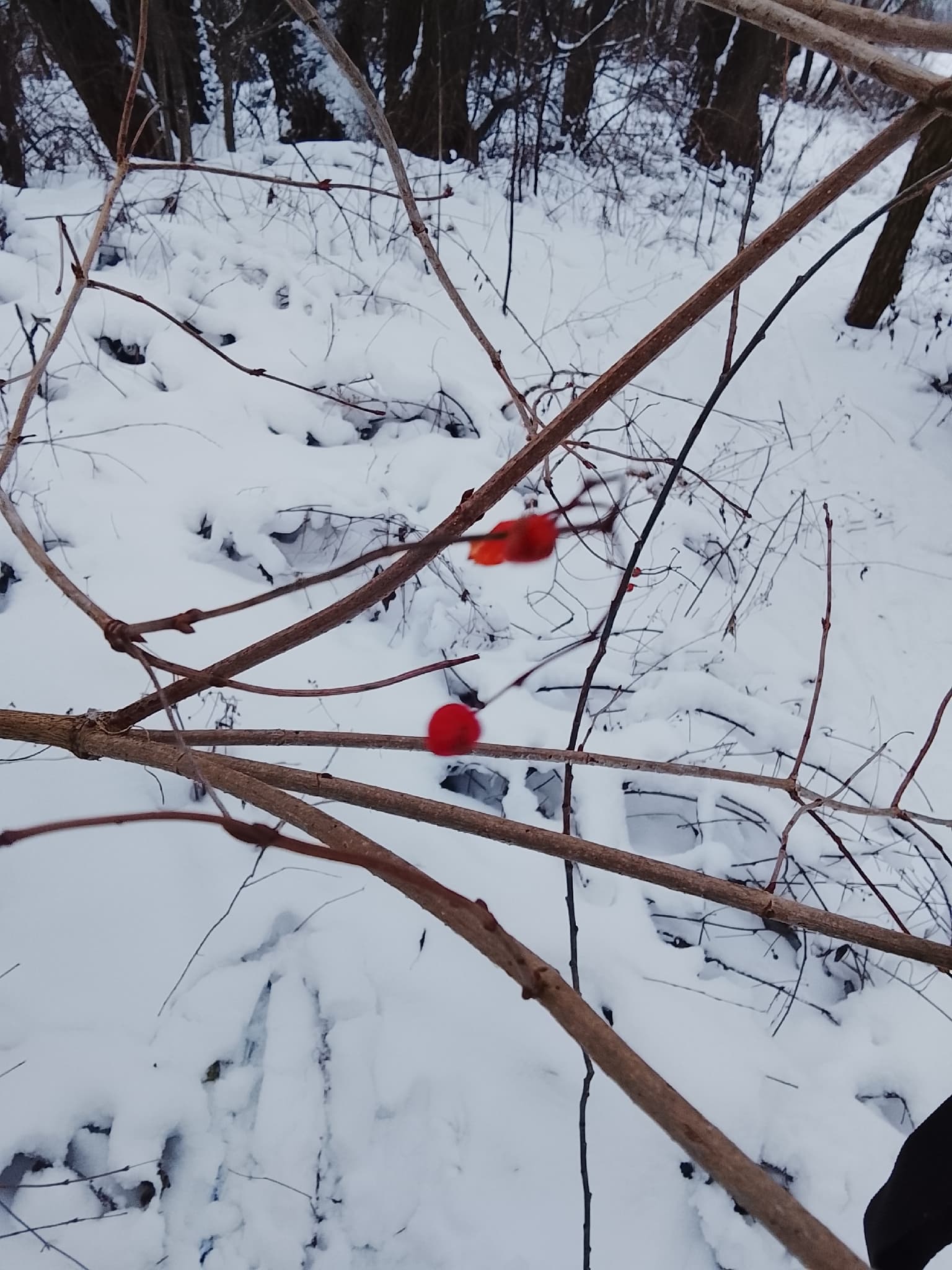
Viburnum opulus is a deciduous shrub or small tree, characterized by its lobed leaves, white lacecap flowers, and bright red, translucent berries that persist through winter. Its bark is grayish-brown and slightly furrowed.