Cramp Bark
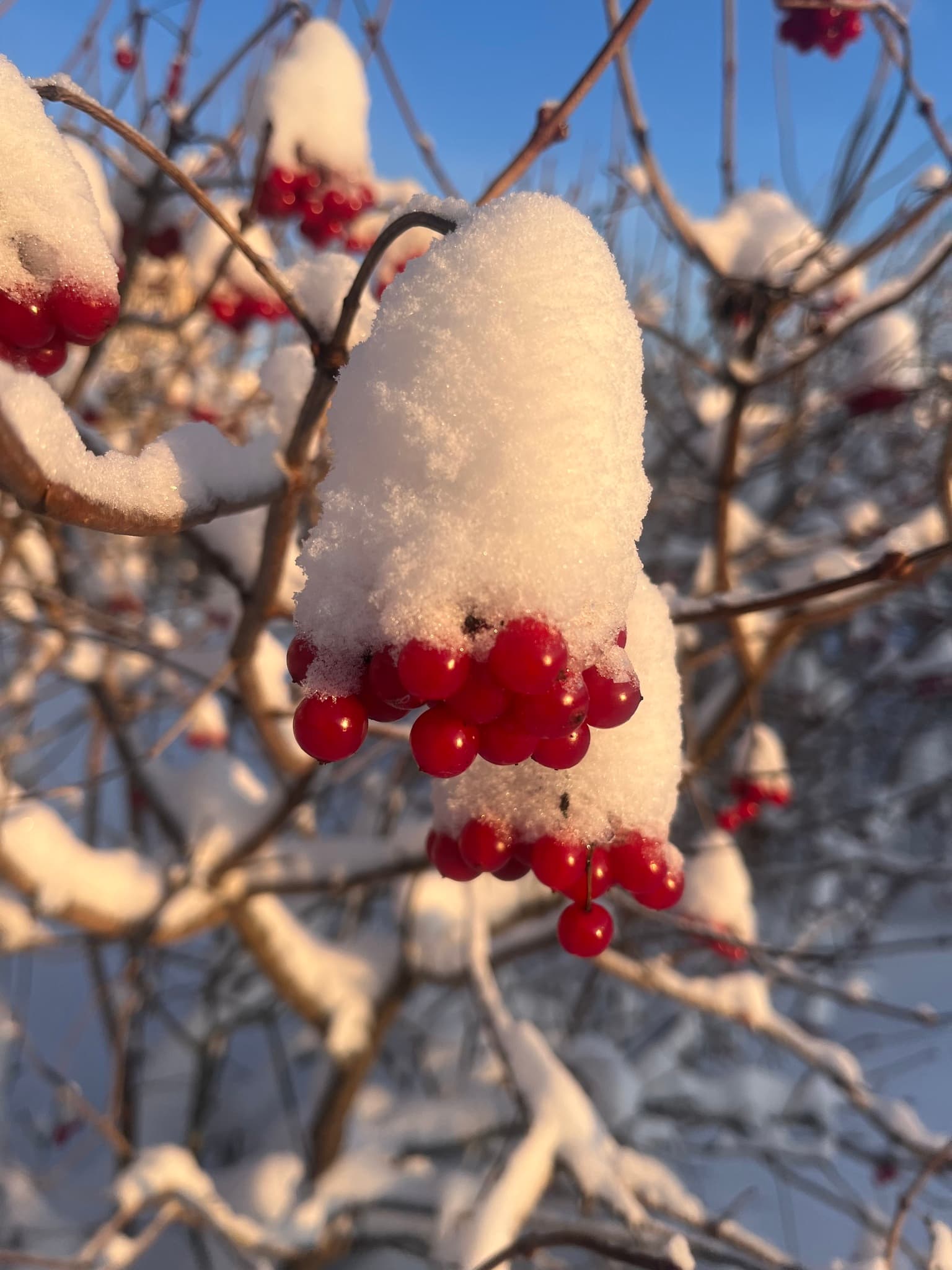
Image: Наталья Пикалова (cc-by)
NameCramp Bark
Scientific NameViburnum opulus
Common NamesCramp Bark, Guelder-rose, European Cranberrybush, Water Elder
Plant FamilyAdoxaceae
Natural HabitatNative to Europe, northern Africa, and central Asia, Cramp Bark thrives in moist, well-drained soils. It is commonly found in woodlands, hedgerows, riverbanks, fens, and other damp, fertile areas.
Parts Usedbark,fruit
Medicinal Actionsanalgesic, anti-inflammatory
Traditional UsesCramp Bark is traditionally revered for its powerful antispasmodic properties, primarily used to relieve muscle cramps and spasms throughout the body. It is especially valued for alleviating menstrual pain (dysmenorrhea), uterine cramps, and nervous tension, and has historically been used to prevent threatened miscarriage.
Active ConstituentsCoumarins (e.g., scopoletin), Iridoid glycosides (e.g., viburnin), Tannins, Flavonoids, Valeric acid
Preparation Methodstincture, decoction, powder
Contraindications & WarningsGenerally considered safe, but caution is advised during pregnancy, especially in early stages, and professional guidance is recommended. Individuals with a known allergy to aspirin or salicylates should avoid Cramp Bark due to its potential salicylate content.
Cultivation NotesThis hardy shrub prefers full sun to partial shade and moist, well-drained soil, though it tolerates a range of soil types. It can be propagated by seed, cuttings, or layering and is often grown as an ornamental for its attractive flowers and berries.
Raritycommon
Description
Viburnum opulus is a deciduous shrub or small tree, typically growing 8-15 feet tall, characterized by its three-lobed leaves, white lacecap flowers, and clusters of bright red, translucent berries that persist through winter. The image displays these distinctive red berries heavily laden with snow, highlighting their winter presence.