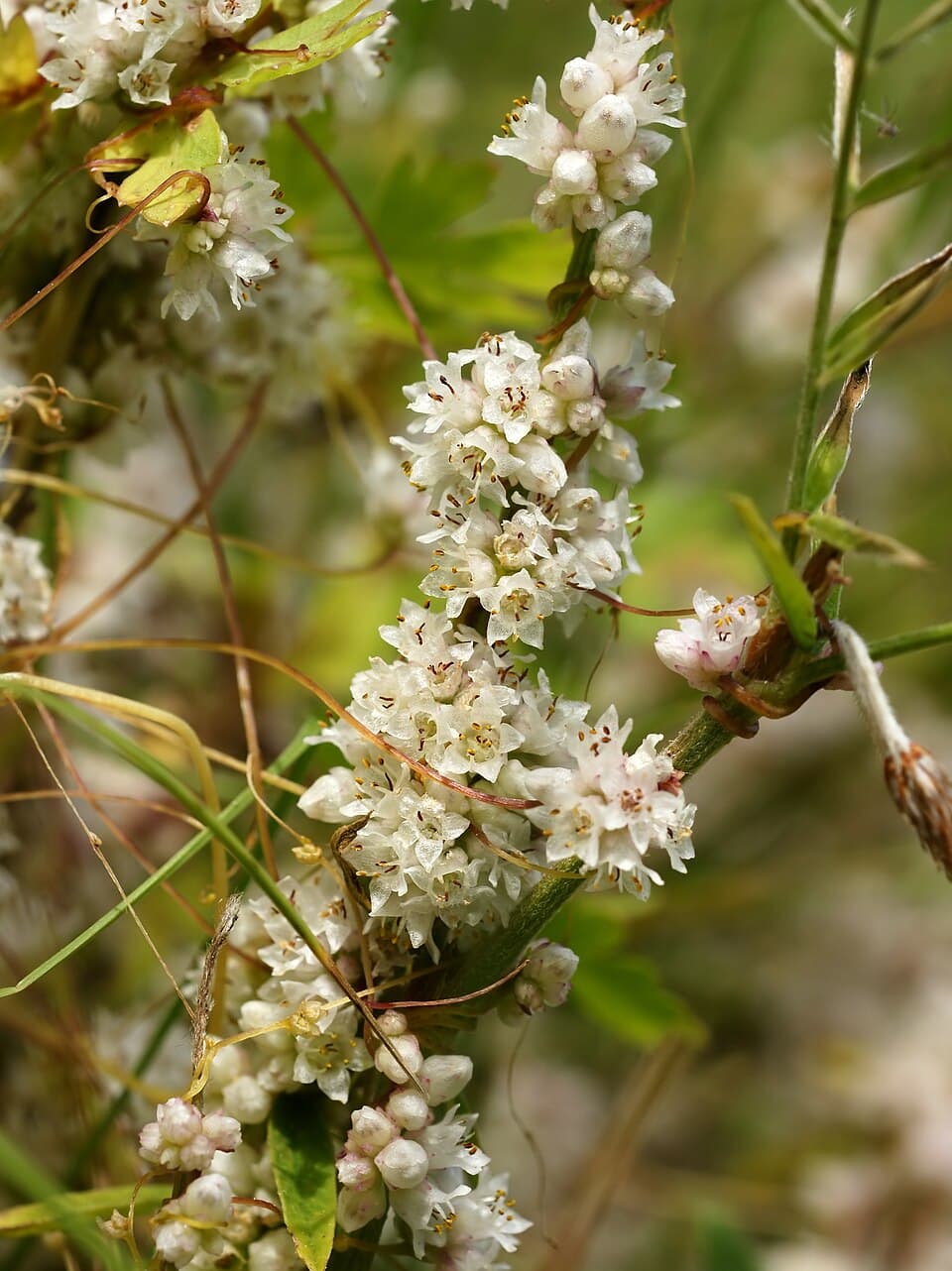
Convolvulus tragacanthoides
NameConvolvulus tragacanthoides
Scientific NameConvolvulus tragacanthoides
Common NamesTragacanth Bindweed, Spiny Bindweed
Plant FamilyConvolvulaceae
Natural HabitatNative to arid and semi-arid regions of the Mediterranean basin, North Africa, and the Middle East, thriving on rocky slopes, dry grasslands, and scrublands.
Parts Usedwhole_plant
Medicinal Actionsastringent, anti-inflammatory
Traditional UsesWhile specific traditional medicinal uses for Convolvulus tragacanthoides are not widely documented, other species within the Convolvulus genus have been traditionally used for their purgative properties (from roots) and externally for wound healing or skin conditions due to astringent qualities.
Active ConstituentsResin glycosides, Flavonoids
Preparation Methodsinfusion, powder
Contraindications & WarningsDue to the presence of resin glycosides in the genus, which can be purgative, caution is advised, especially for internal use. Avoid during pregnancy, breastfeeding, and in cases of gastrointestinal obstruction or inflammatory bowel conditions.
Cultivation NotesThis drought-tolerant plant prefers full sun and well-drained, rocky or sandy soils. It is suitable for xeriscaping in arid and semi-arid climates.
Raritycommon
Description
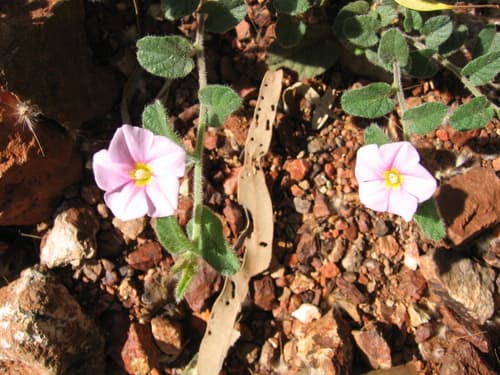
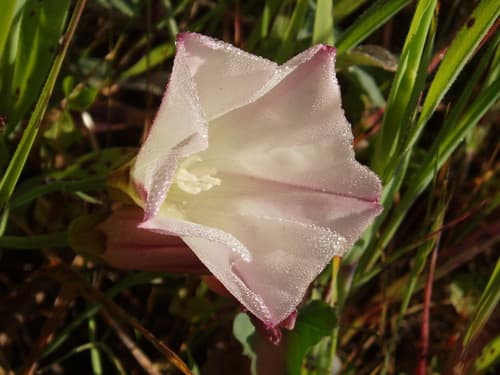
A low-growing perennial subshrub characterized by its silvery-hairy, often linear leaves and delicate, funnel-shaped flowers. The blossoms are typically pale pink to white with distinct darker pink stripes radiating from the center.