Convolvulus argillicola
NameConvolvulus argillicola
Scientific NameConvolvulus argillicola
Plant FamilyConvolvulaceae
Natural HabitatThis species is endemic to specific arid and semi-arid regions, particularly found growing in clay soils, as its name 'argillicola' (clay-dweller) suggests. It thrives in dry, rocky, and sandy environments.
Parts Usedwhole_plant
Medicinal Actionsdiuretic
Traditional UsesWhile specific traditional medicinal uses for Convolvulus argillicola are not widely documented, other species within the Convolvulus genus are historically known for their strong purgative and laxative properties due to resin glycosides. Some have also been used as diuretics or for various digestive complaints, though often with caution due to potential toxicity.
Active Constituentsresin glycosides
Preparation Methodsdecoction, powder
Contraindications & WarningsDue to the presence of potent compounds like resin glycosides in the Convolvulus genus, this plant may have strong purgative effects and potential toxicity. It should be avoided by pregnant or breastfeeding women, children, and individuals with gastrointestinal disorders. Consultation with a healthcare professional is advised before any use.
Cultivation NotesConvolvulus argillicola prefers full sun and well-drained, often clayey or sandy soils. It is drought-tolerant once established and requires minimal watering. Propagation is typically by seed.
Rarityuncommon
Description
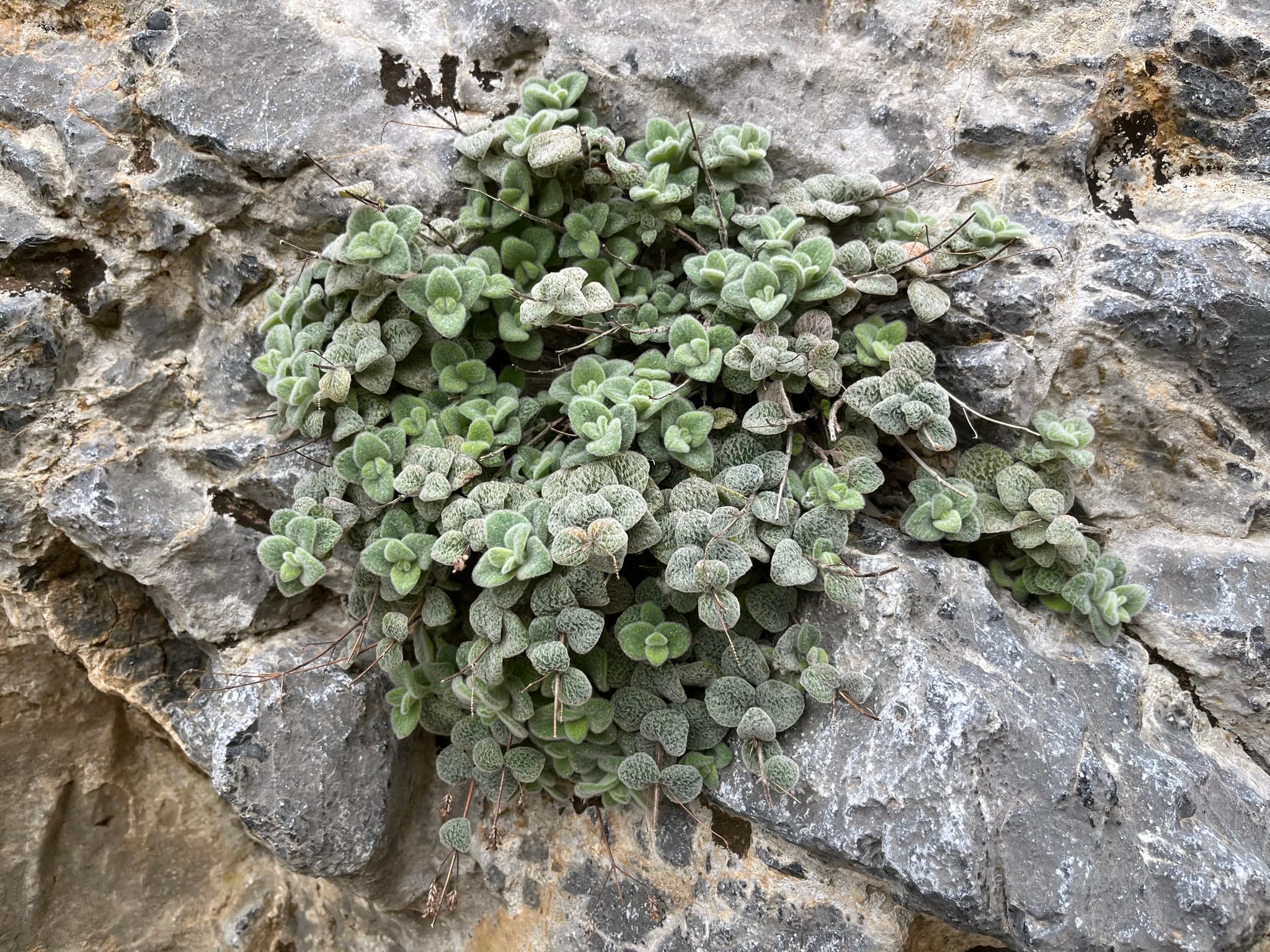
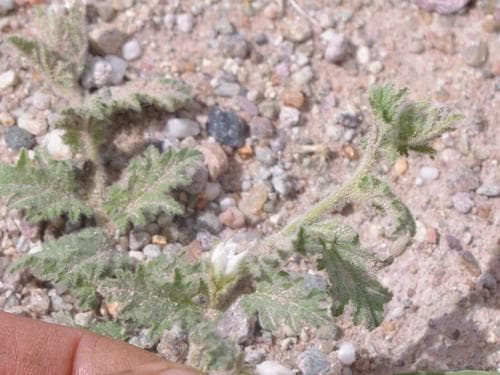
Convolvulus argillicola is a low-growing, perennial herbaceous plant characterized by its hairy stems and deeply lobed, grayish-green leaves. It produces small, funnel-shaped white flowers, typical of the bindweed genus. The plant often has a prostrate or sprawling growth habit.